Glow has officially exited stealth mode, instantly securing unicorn status with a $1.2 billion valuation. While industry giants are busy patching existing device vulnerabilities, the Palo Alto-based startup is pitching a paradigm shift: the legacy security stack simply wasn't built for a world where software independently makes decisions and executes code on employee laptops.
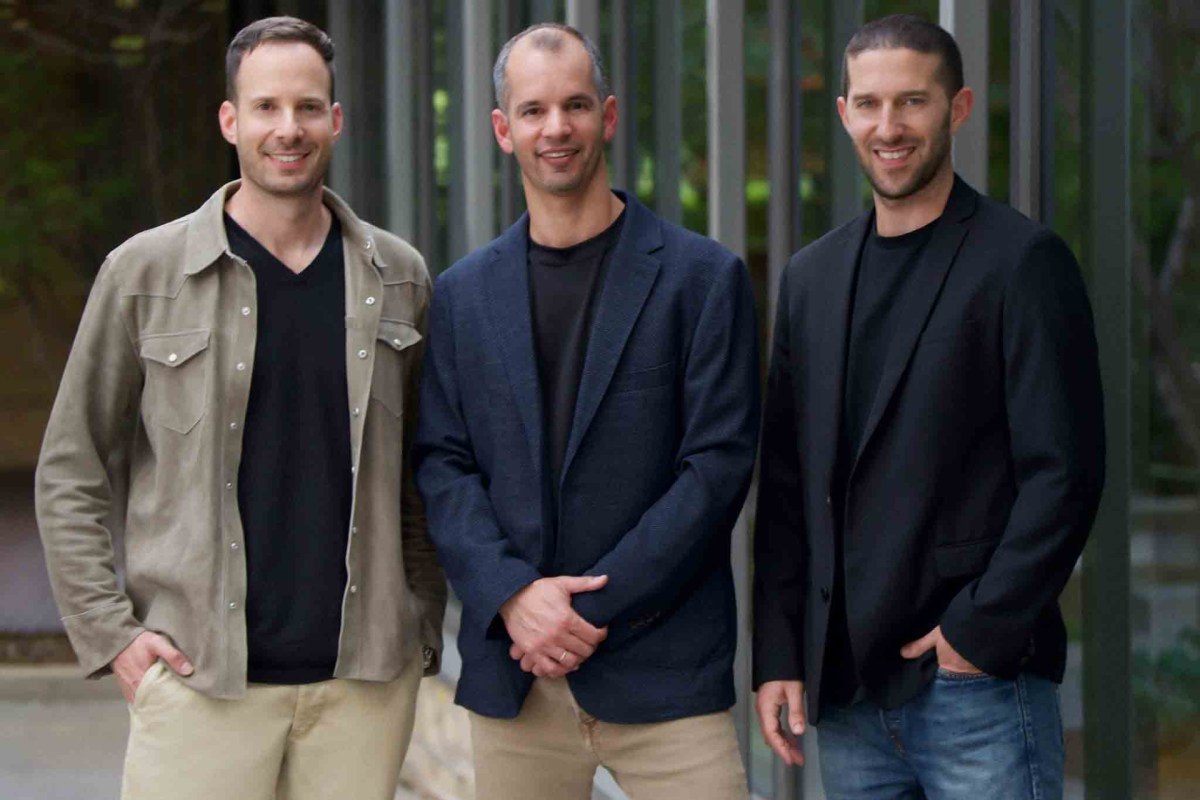
Skepticism regarding a billion-dollar valuation for a company without significant revenue is quickly countered by its pedigree. The team was assembled by Roee Tygel (former VP of Engineering at Meta), bolstered by Snowflake’s Omer Singer and Claroty’s Ofir Arkin. The board includes Emily Heath, who, as CISO of United Airlines, oversaw high-stakes deals including Wiz’s $32 billion near-sale to Google. The $180 million Series A round was led by Sequoia Capital and Cyberstarts—less a symptom of hype and more a collective bet by top-tier funds that autonomous agents are about to become a CISO’s worst nightmare.
Vulnerability via agents
Traditional Endpoint Detection and Response (EDR) systems act like pathologists, identifying threats only after the system has been compromised. Tygel insists that Glow must be proactive. Industry anxiety spiked following the release of Anthropic’s Mythos model, which demonstrated how elegantly neural networks can identify and exploit vulnerabilities. Today, the enemy isn't just an external hacker; it is your own AI assistant, which might "hallucinate" malicious code directly into your production environment.
"The last decade was all about moving to the cloud. But suddenly, AI has landed on the endpoint in a way we’ve never seen before," Roee Tygel explained in an interview.
While the solution is currently being tested across tens of thousands of devices in finance and retail, Glow isn't trying to replace existing neural networks. Instead, it overlays its own software to "understand" corporate context and keep agents within established guardrails.
Autonomy vs. Legacy
Glow’s core argument rests on creating a system where security is maintained by specialized AI agents capable of mapping environments and blocking suspicious activity in real-time. This is a symmetrical response to cybercriminals using generative AI to automate phishing and malware creation. While the endpoint protection market is saturated, Glow is carving out a new niche: managing the behavior of digital entities within the operating system.
The arrival of Glow serves as an official admission that the current security perimeter has been breached by the mere integration of neural networks into workflows. If an agent can write code and manage files, it becomes the perfect attack vector. A billion-dollar valuation confirms the market is ready to pay a premium for a digital supervisor capable of keeping AI agents in check.