AI · This text was generated with artificial intelligence
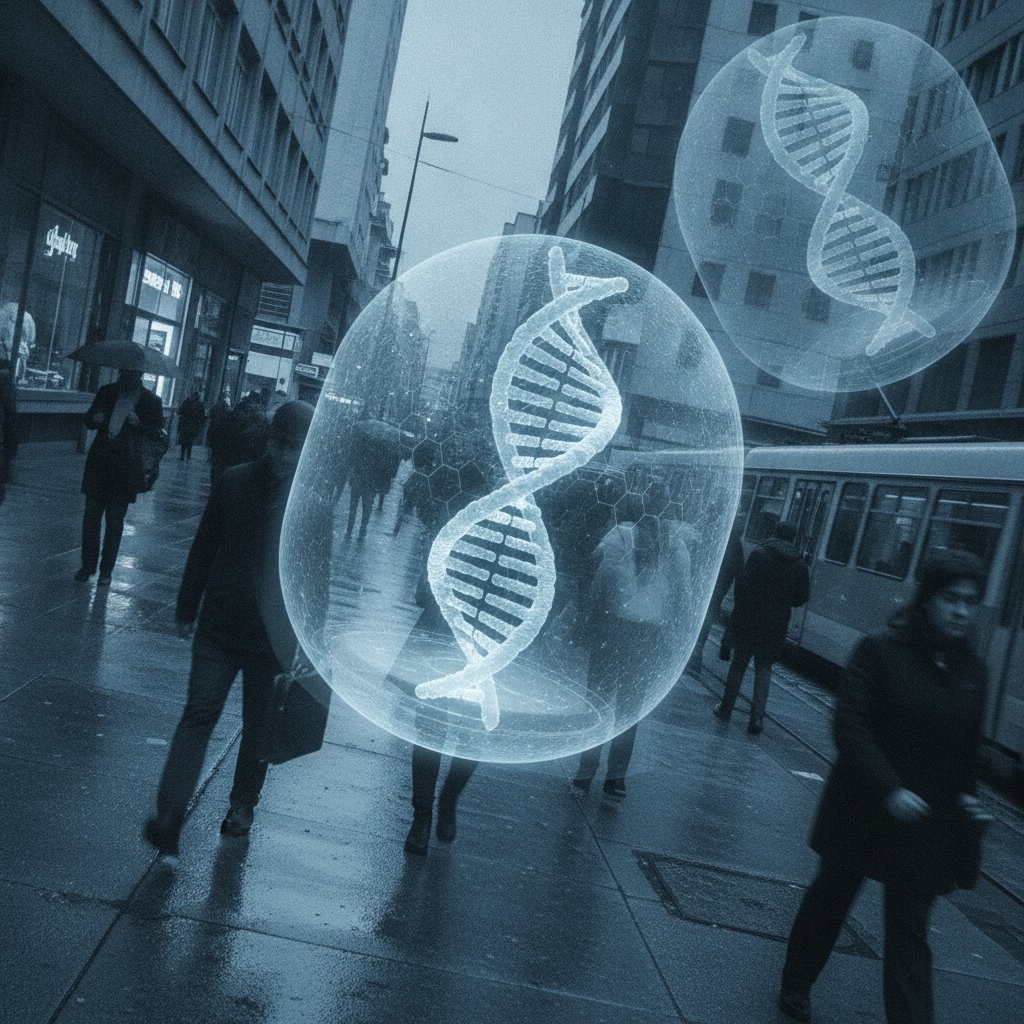
Google DeepMind and Isomorphic Labs are attempting to solve the classic "creator’s paradox": how to advance AI to save lives without handing terrorists a garage-ready blueprint for pathogens. The new biosecurity strategy, presented by Demis Hassabis’s teams, is built on the concept of active containment. Instead of simply hoping for user discretion, the companies are embedding early-warning systems directly into the logic of models like AlphaFold and AlphaGenome.
Over the past year, DeepMind and Isomorphic Labs have signed more than 15 partnerships with government agencies and biosecurity experts. These are not mere formal memorandums, but an effort to establish "red lines": Gemini models and specialized engines like IsoDDE (Drug Design Engine) now pass through a sieve of specific stress tests designed to flag the generation of biological threats. DeepMind recognizes that open scientific data is a double-edged sword; consequently, access to the most sensitive model weights is now strictly tied to "trusted partner" status.
Key Security Tools
Implementing SynthID digital watermarking for DNA sequence screening to identify AI-generated patterns. Deploying the AlphaEvolve agent for accelerated disease monitoring via metagenomic sequencing. Restricting access to the weights of the most powerful models to prevent unauthorized misuse. Conducting deep red-teaming exercises in collaboration with government regulators.
"We are seeing an attempt to monopolize the right to 'safe' science: defending against biological threats now requires the deployment of powerful AI agents themselves."
For tech leads and systems architects, DeepMind's maneuver is a clear signal: the "Wild West" era of biological modeling is ending. Access to breakthrough algorithms now comes bundled with strict oversight and embedded security layers. Effectively, DeepMind is building an ecosystem where AI acts as both a potential weapon and the only effective shield, making technological sovereignty in this field a matter of survival.