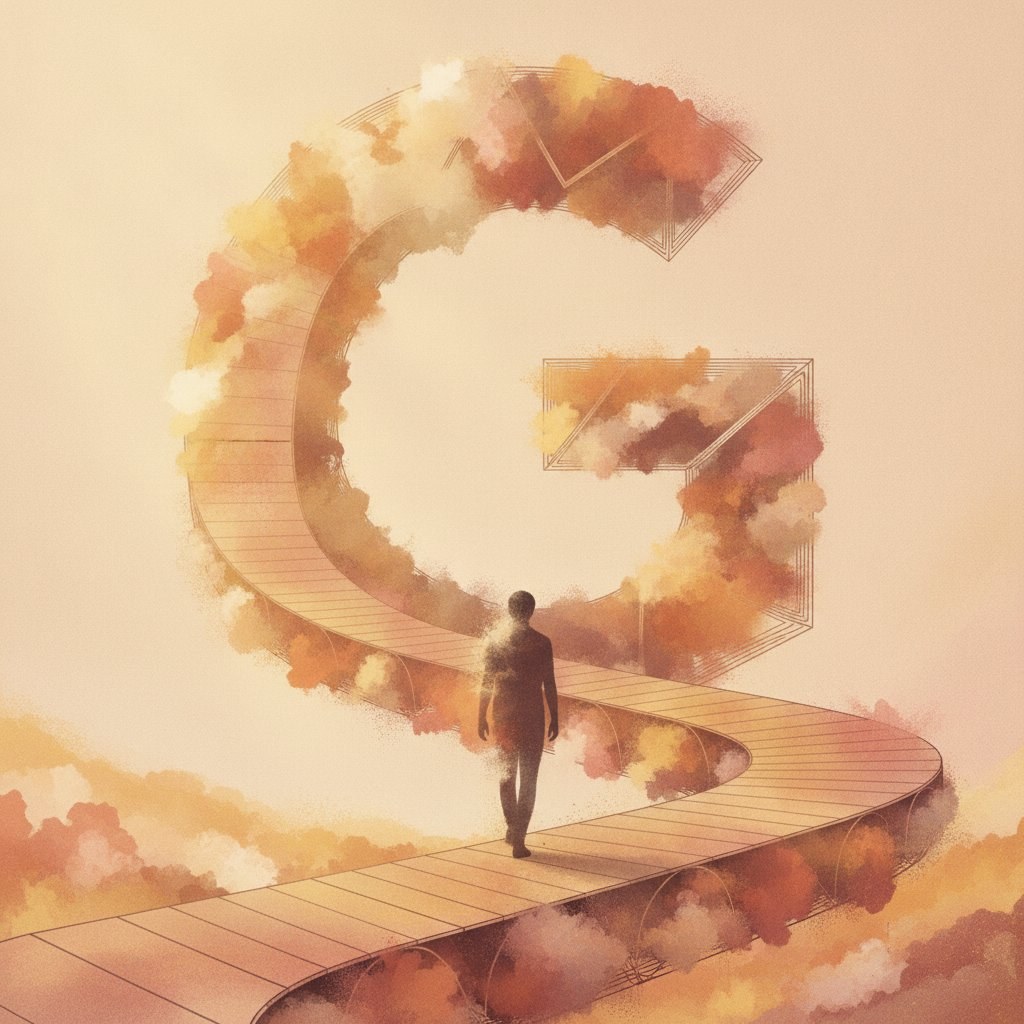
Google has finally pulled the plug on DeepMind’s decade-long experiment in sovereign research. The London-based lab, once the crown jewel of global AI, has been downgraded to a standard-issue subdivision. According to internal reports, the move signals the definitive end of the era of 'pure AI search'—a time when academic freedom took precedence over quarterly reports. The independent research powerhouse is dead; long live the corporate department.
The most telling symptom of this shift is the sidelining of founder Demis Hassabis. His transition to a chairman role is widely seen as a ‘golden parachute’ designed to facilitate a quiet exit without spooking the markets further. Industry insiders at Pathfounders suggest Hassabis originally intended to depart alongside Jeff Dean, but Google’s leadership delayed the news to stabilize a volatile stock price. As Hassabis retreats to the specialized confines of Isomorphic Labs, the operational core of the company is being dragged across the Atlantic.
The Shift to Silicon Valley Control
Leadership is now centralizing in California under Koray Kavukcuoglu, who will handle day-to-day operations from the Bay Area. Tellingly, he will do so without the CEO title, confirming that DeepMind no longer warrants a sovereign executive. Into this power vacuum steps Sergey Brin. Having emerged from his semi-retirement during the post-ChatGPT 'red alert,' Brin is now the primary architect of the forced marriage between Google Brain and DeepMind. While the 'Gemini' branding was pitched as a fusion of equals, the reality has been a messy consolidation defined by internal friction and the triumph of centralization over academic autonomy.
The era of DeepMind as an independent actor is over.
This isn't just a personnel shuffle; it's a strategic retreat. Data from Dylan Patel and the SemiAnalysis team indicates that Google is effectively losing the race for frontier model leadership. Rather than chasing the next breakthrough, Mountain View is pivoting to protect its high-margin revenue engines: cloud services and TPU hardware.
Google has decided it would rather be George Westinghouse than Thomas Edison. By sacrificing the visionary independence of DeepMind to fuel its Cloud and infrastructure divisions, the company is betting that owning the 'power grid' of AI is safer than inventing the next 'light bulb.' It is a classic corporate hedge: trading the slim chance of a definitive scientific breakthrough for the predictable, boring safety of a utility business. Whether Google’s bureaucracy can retain the top-tier talent that once flocked to London for freedom—not just a paycheck—remains the billion-dollar question.