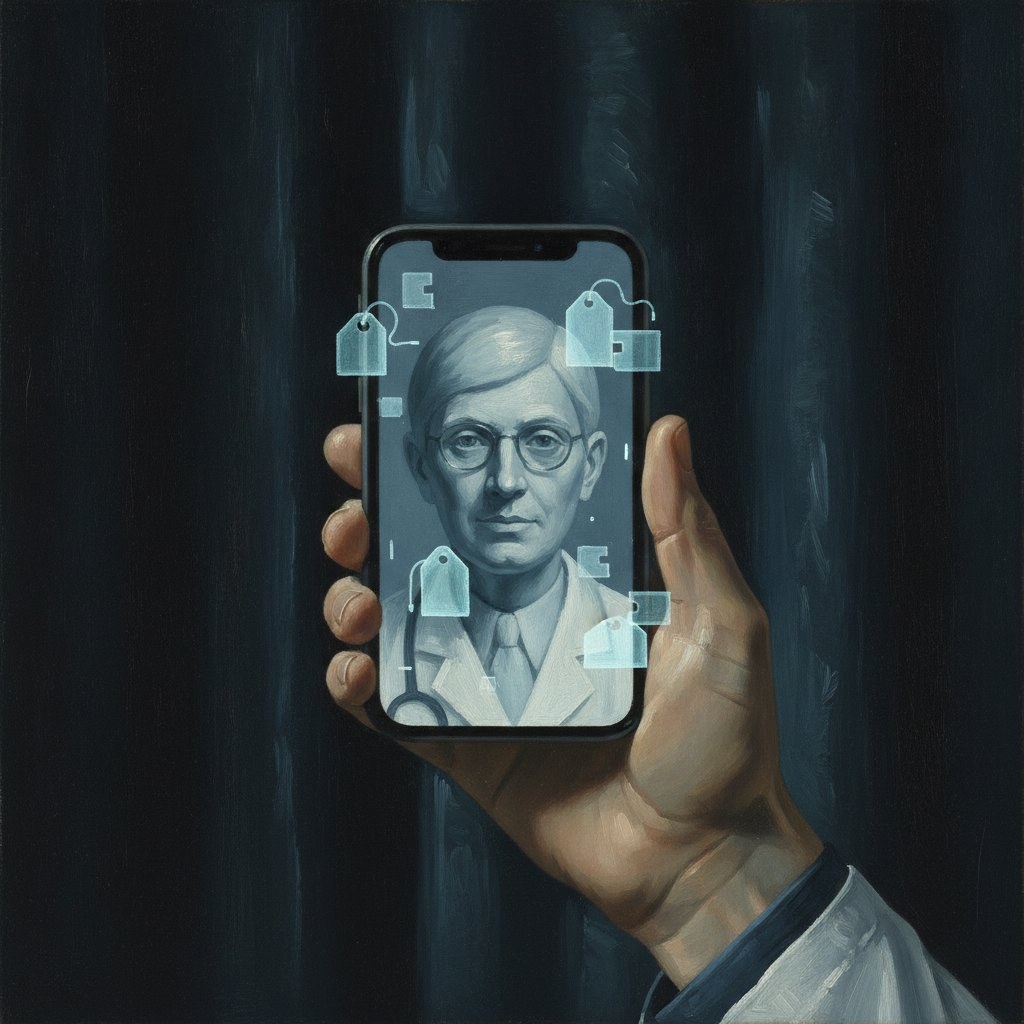
Generative AI promises to cure diseases, but it also hands script-kiddies the blueprint to design novel pathogens in their garages. As artificial intelligence models churn out novel biological sequences, verifying their digital provenance has moved from an academic nice-to-have to an urgent containment priority. Google DeepMind has introduced SynthID Bio, a watermarking method designed specifically for synthetic biology to patch gaping holes in biosecurity.
The system works by embedding an imperceptible signature directly into the biological code. Rather than relying on external metadata that bad actors can strip away with a single keystroke, the watermark modifies the underlying data representation itself.
"SynthID Bio is an important piece of the puzzle for tracking the provenance of biological designs," said Sarah Carter, a biosecurity policy expert and Principal at Science Policy Consulting.
By baking verification directly into the biological design, the system ties generated sequences back to the model developer, theoretically giving screening workflows a fighting chance against rogue lab work.
Structural Accuracy and Physical Synthesis
For protein folding applications, SynthID Bio tweaks a fraction of AlphaFold 3’s diffusion network, hardcoding the watermarking capability directly into the model’s weights. Through this architectural integration, SynthID Bio preserves AlphaFold 3's prediction accuracy while claiming near-perfect detectability across structural outputs.
In physical wet-lab testing across three target proteins, watermarked designs matched the hit rate, binding affinity, and natural sequence diversity of unwatermarked versions. That is the crucial threshold: the watermark does not lobotomize the protein or ruin its biological viability in laboratory experiments.
"For Twist, watermarking offers a promising new addition to the biosecurity toolbox that could strengthen screening, focus resources on sequences that warrant closer review and make biosecurity more efficient as AI-designed biology continues to advance," said James Diggans, Vice President, Policy and Biosecurity at Twist Bioscience.
What this means
SynthID Bio proves that digital watermarks can survive the messy trip from algorithmic models to physically synthesized proteins without rendering the molecule useless. For the biotech industry, this shifts compliance from an honor system to a traceable chain of custody. Yet, practical bottlenecks remain: DNA synthesis providers and public repositories must actually adopt these automated detection tools across every competing generative architecture, and the watermarks still need to prove they can survive deliberate attempts at sequence obfuscation.