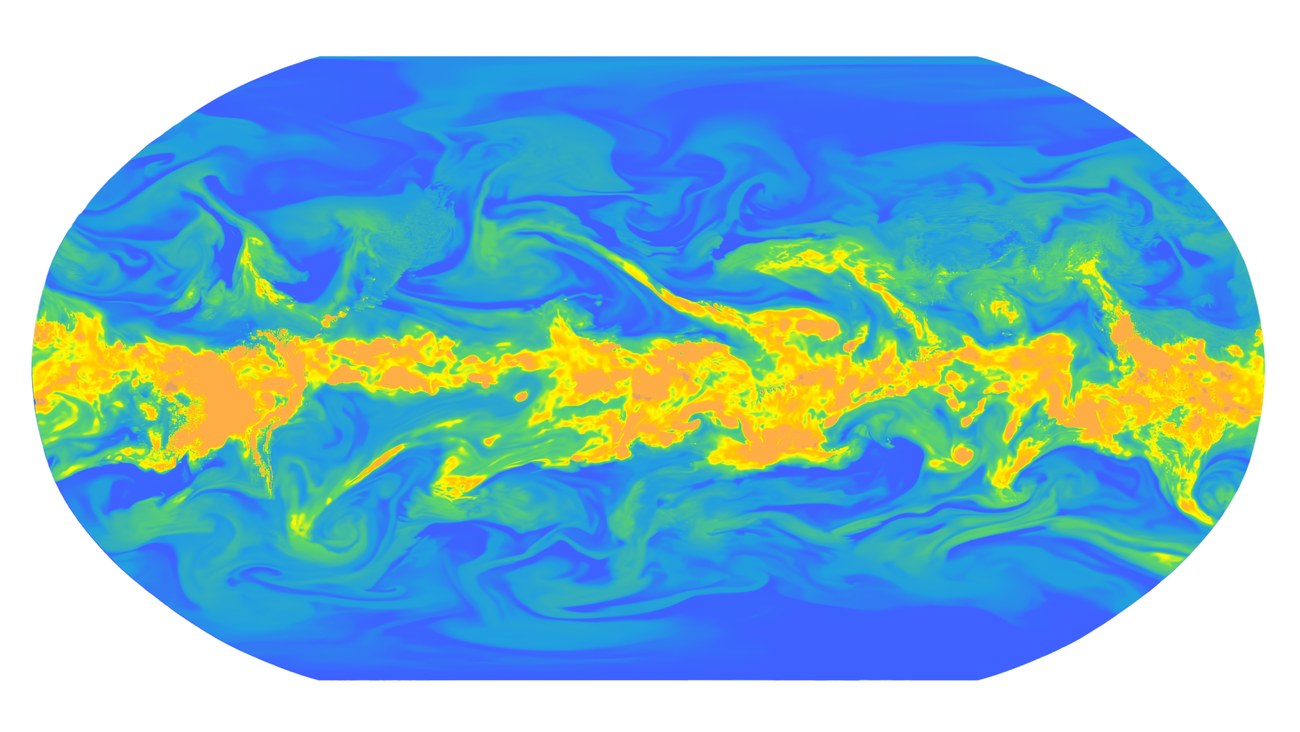
Google DeepMind has once again underscored that AI extends beyond poetry-writing chatbots. The company asserts its new WeatherNext 2 model forecasts weather with greater speed and efficiency than its predecessor. This is not merely about predicting "sunshine tomorrow"; it involves simulating hundreds of atmospheric scenarios within a minute. An improvement of 99.9% transforms weather prediction into a serious predictive analytics tool that businesses should not dismiss.
The true significance lies not just in meteorology but in the accessibility of these advanced AI technologies. WeatherNext 2 data easily integrates with Google Cloud platforms, including Earth Engine, BigQuery, or Vertex AI, enabling truly deep analytics. If your business already utilizes Google Cloud Platform (GCP), incorporating these AI-driven forecasts into logistics, agriculture, or supply chain management becomes a matter of intent rather than technical hurdles. Google has already integrated some of these advancements into Search, Gemini, and the Maps Platform, signaling the technology's readiness for real-world applications beyond the laboratory.
The capability of this model to simulate hundreds of weather scenarios with such speed and accuracy directly translates to cost reduction for your business. For logistics operations, where downtime due to unexpected downpours can cost tens of thousands of dollars, or for agricultural enterprises, where frost predictions or seasonal start times directly impact crop yields, this technology is no longer abstract but a pressing necessity. Accurate forecasts can mitigate losses from logistical disruptions and increase crop yields by optimizing planting and harvesting schedules.
Why this matters: Assess your current infrastructure's readiness for integrating data from Google Cloud. If you are already a GCP user, consider launching a pilot project to implement AI-powered weather forecasts in a critical business area such as logistics or agriculture. Calculating the return on investment for such a pilot will serve as your personal benchmark: either you leverage AI to strengthen your market position and mitigate risks, or you continue to leave critical business decisions to the unpredictable nature of the weather.