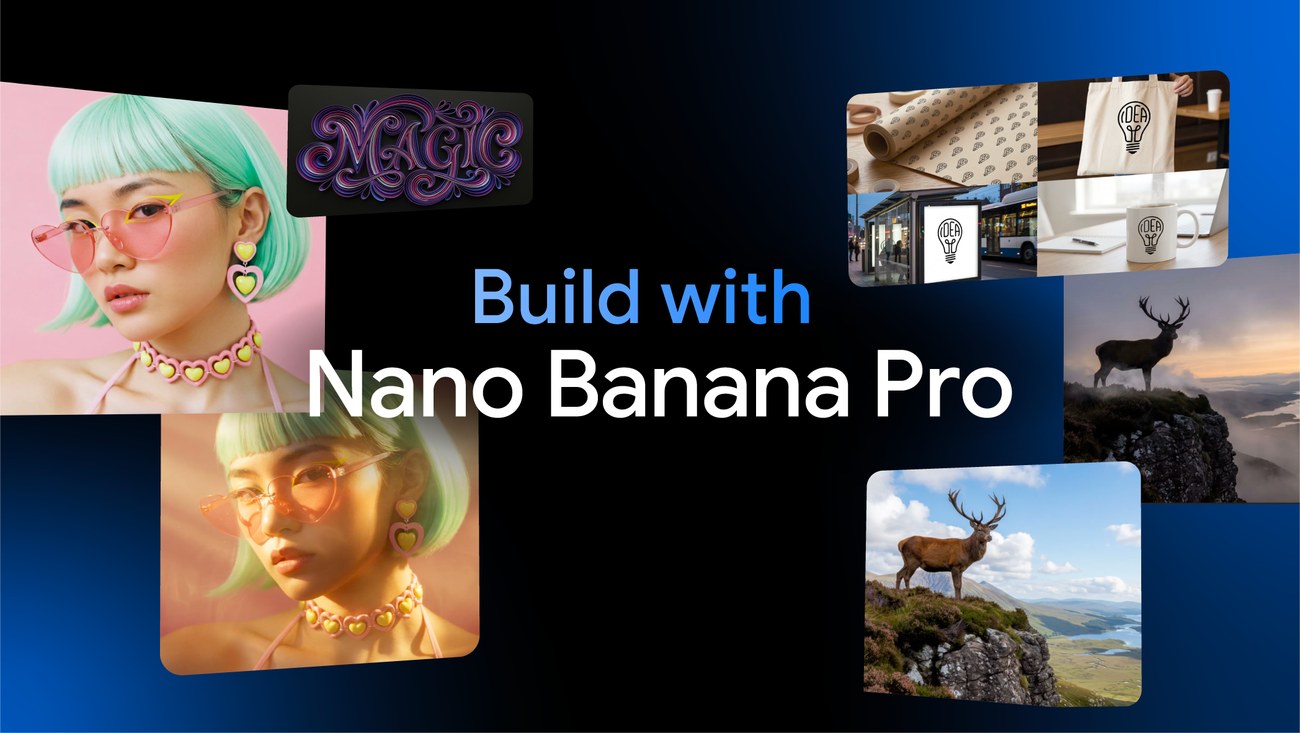
Google DeepMind has introduced Nano Banana Pro (Gemini 3 Pro Image), a studio-quality image generation model built on the Gemini 3 Pro architecture. According to company statements, the model outperforms its predecessors in text rendering accuracy and possesses a deeper understanding of the world through integration with Google Search.
Nano Banana Pro (Gemini 3 Pro Image) is positioned as a primary tool for building multimodal applications. Access is provided via a paid subscription through the Gemini API in Google AI Studio and Vertex AI. Google is clearly targeting corporate clients with this release, emphasizing its professional-grade capabilities.
This move represents a strategic pivot for Google toward multimodal AI at a time when the market remains largely fixated on text-based Large Language Models (LLMs). Google DeepMind asserts that Nano Banana Pro (Gemini 3 Pro Image) allows for granular control over image physics, including lighting, camera settings, focus, and color correction. The model generates high-fidelity images with enhanced text rendering precision and extensive world knowledge, bolstered by the model's ability to use Google Search grounding to retrieve data based on user prompts.
The integration of Nano Banana Pro (Gemini 3 Pro Image) into platforms like Google Antigravity promises to streamline workflows for developers and creatives alike. Developers will be able to generate UI mockups and visual elements directly within their development environments. This is a clear signal that Google aims to industrialize visual content creation and accelerate product development cycles.
Why it matters: The arrival of Nano Banana Pro (Gemini 3 Pro Image) from Google DeepMind signals a significant shift in the AI landscape. Competitive focus may be moving away from pure-text LLMs toward multimodal capabilities. For businesses, this offers a powerful, controllable tool for creating creative assets and developing complex applications. New horizons are opening for visually-oriented products and services that were previously limited by existing technology. Companies should consider how integrating such advanced visual AI into their workflows could improve creative output, speed up product development, and potentially unlock new market niches.