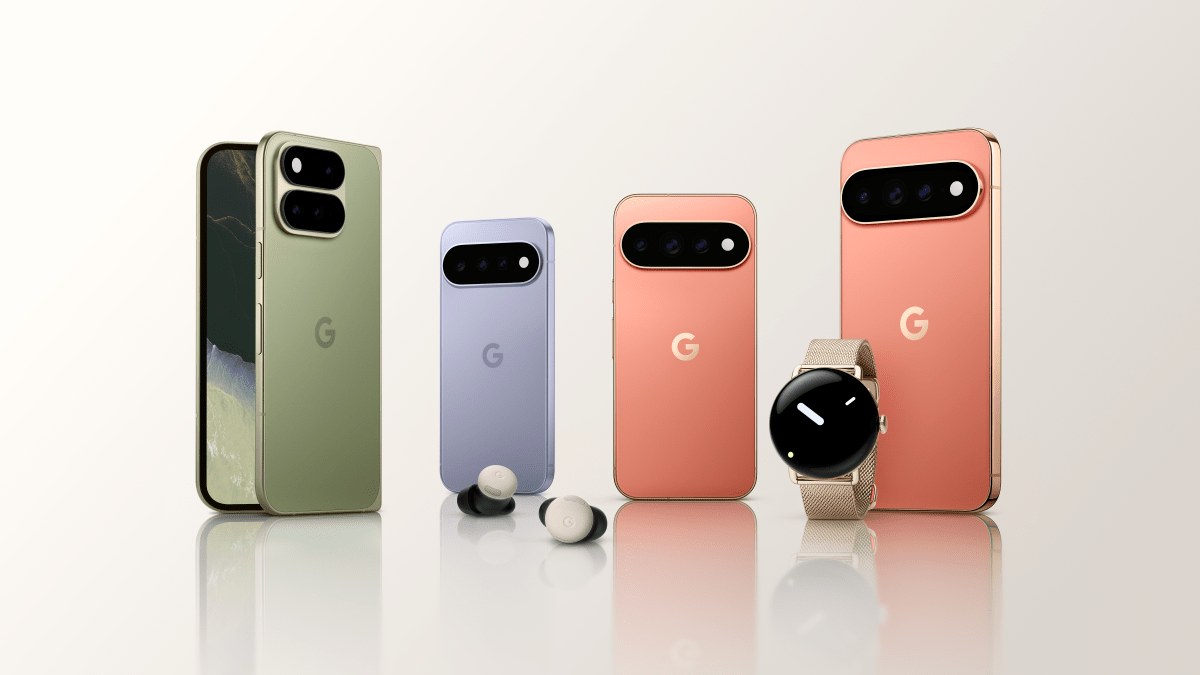
Google is finally moving past the era of treating AI as a glorified cloud-based chatbot. With the launch of the Pixel 11 series and Pixel Watch 5, the strategy shifts toward deep, on-device integration where Gemini functions as a resident agent rather than a remote service. This isn’t just a firmware update; it’s an attempt to turn the smartphone into an autonomous sensory organ. As Lauren Forristal of TechCrunch notes, the standout feature is the expansion of Live Transcribe to support American Sign Language (ASL) via the Pixel Camera. By translating sign language into text locally, Google is signaling its readiness to handle complex, high-bandwidth visual data directly 'on the glass' without a round trip to the server.
The hardware refinements reflect this thirst for local compute. Google has hiked the entry price of the Pixel 11 to $899—a $100 jump from its predecessor. While the company points to a 40% thinner camera bar and an all-glass surface as justification, the reality is dictated by the silicon. The price increase is largely a tax on the 256GB base storage and the massive RAM overhead required to keep Gemini from stalling. In the enterprise-focused Pro lineup, starting at $1,099, the emphasis on a new anti-scratch coating and drop resistance suggests Google wants these devices to be rugged, high-uptime terminals for persistent AI agents, not just fragile glass sandwiches.
For technical leaders and strategists, the shift is about reducing 'agency friction.' By embedding Circle to Search directly into the camera experience and introducing the Rambler voice-input feature to decode messy, unstructured human speech, Google is narrowing the gap between intent and action. The Pixel Watch 5 further centralizes this processing on the user’s wrist, creating a closed loop of personal data that stays off the network.
This migration to local inference changes the economics of the sector. Moving the computational heavy lifting to the user’s pocket solves two problems at once: it mitigates the astronomical costs of cloud inference and offers a compelling privacy narrative for corporate environments. Google is no longer just selling a phone; it is selling a localized, multimodal processor that happens to make calls, betting that users will pay a premium to keep their data—and their AI—close to home.