AI · This text was generated with artificial intelligence
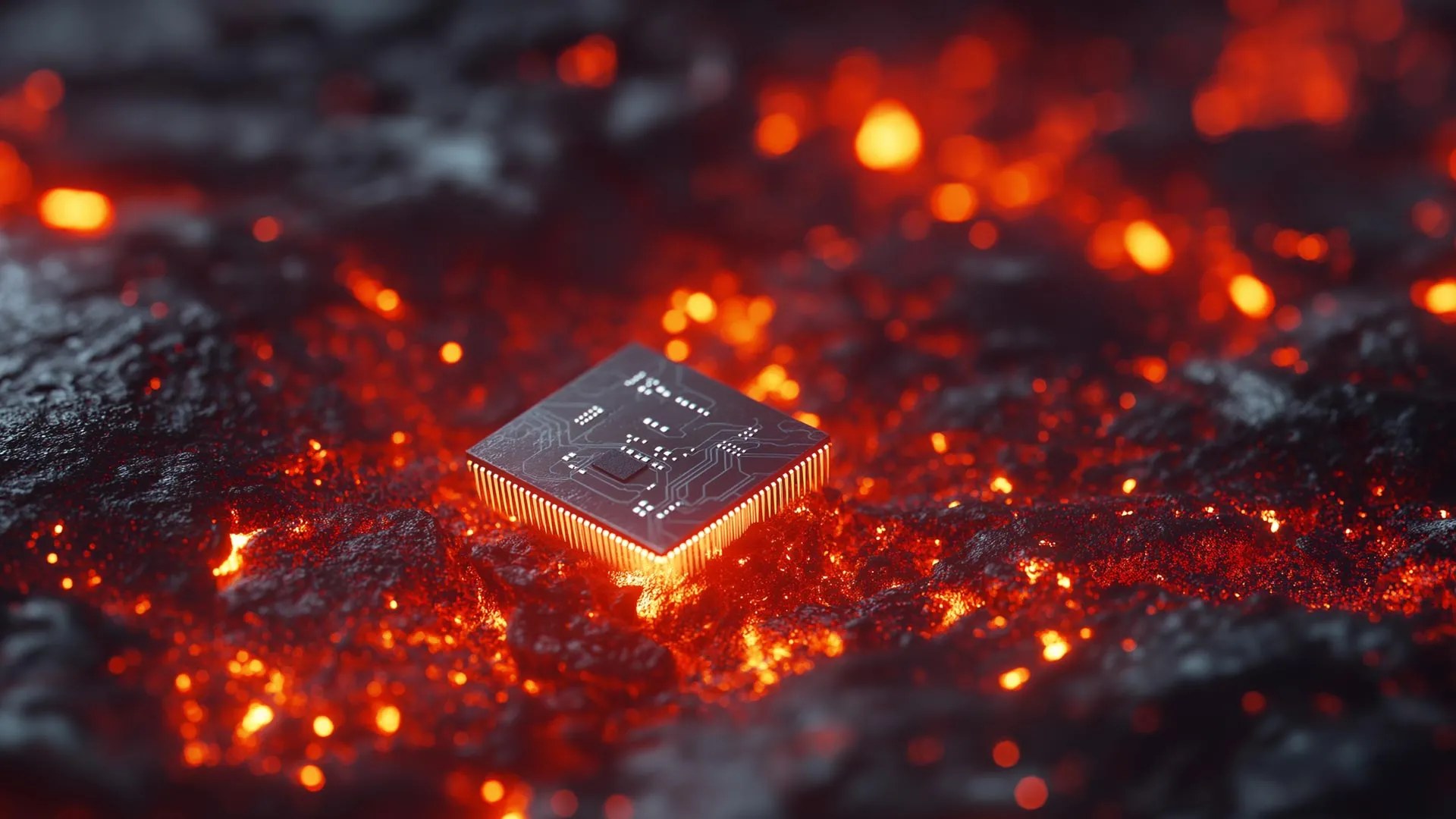
Engineers from the University of Southern California (USC) have effectively broken the thermal limits of modern electronics. A team led by Joshua Yang recently unveiled a memory device in the journal *Science* that remains fully operational at 700°C. To put that into perspective: this is the temperature of glowing embers or the surface of Venus—environments where a standard silicon chip becomes a useless piece of rock after crossing the 200°C threshold.
A Breakthrough in Materials Science
The technological foundation of this solution is a stack of tungsten, hafnium oxide, and graphene. This "sandwich" structure enabled the creation of a memristor capable of withstanding over a billion switching cycles at peak heat. According to Yang, the 700-degree figure isn't even the technology's ceiling; it was simply the upper limit of their laboratory's testing equipment.
We are moving from sterile data centers to computing inside active aircraft engines, geothermal wells, and nuclear reactors.
Economics and Industrial Application
The business impact here is clear: the elimination of the "heat tax." Currently, any attempt to deploy AI agents in harsh environments requires either miles of cabling to a remote processor or massive cooling systems that drain both budgets and space. The new device operates at just 1.5 volts and retains data for over 50 hours under extreme conditions.
A direct path to autonomous industrial systems. Real-time decision-making inside combustion chambers or smelting furnaces. Elimination of bulky, expensive cooling infrastructure.
Outlook and Obstacles
Naturally, the journey from a lab prototype to mass production for the aerospace industry will be challenging. Integrating these components into existing control architectures will take time, but the technical barrier of "melting brains" has officially been breached. The future of decentralized AI is now literally being forged in fire, making the need to tether sensors to external, cooled servers look like a relic of the past.