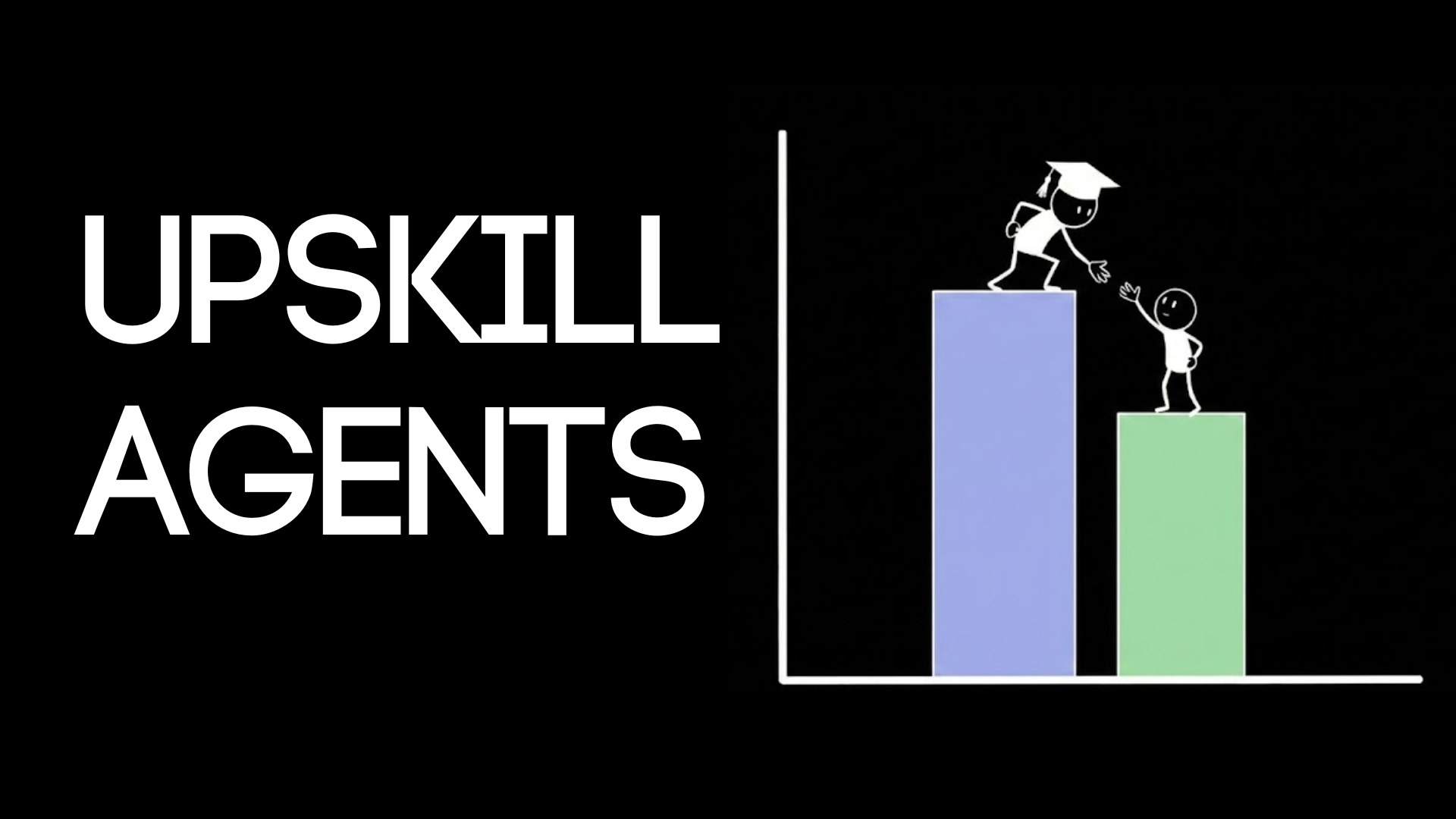
Hugging Face has introduced 'Upskill,' a new capability allowing large language models (LLMs) to generate code for AI agents. This includes crucial low-level CUDA code, essential for GPU performance. The initiative aims to train and optimize smaller, open-source models by leveraging the capabilities of larger models like Claude Opus 4.5, which can now act as tutors for less advanced open-source counterparts. This development is expected not only to accelerate development cycles but also to significantly reduce the reliance on highly sought-after and expensive GPU engineers.
The process involves tasking an LLM with writing CUDA kernels. Developers then review the generated code and refine it as needed. Subsequently, this generated code is used to train smaller models. Testing with Hugging Face's Diffusers models revealed that while not all generated 'skills' immediately yield performance gains, the mere ability of LLMs to write low-level GPU code represents a substantial breakthrough. Previously, this task was exclusively handled by experts with a deep understanding of GPU architecture. Now, the barrier to entry for others is considerably lower.
The automation of CUDA code generation, entrusted to LLMs, promises to make the market entry for AI solutions significantly more cost-effective and faster. For the open-source community, which often faces tight R&D budgets despite ambitious goals, this is a remarkable advantage. Instead of spending months on manual optimization for specific hardware, developers can now test hypotheses and scale their projects more rapidly. This shift allows them to focus on innovation rather than deep hardware-level complexities.
Why this matters: Executives investing heavily in AI should pay close attention. This development potentially signals reduced expenditures on GPU infrastructure and the hiring of highly specialized, expensive talent. You should evaluate how 'Upskill' and similar tools can expedite the launch of your AI products and enhance operational efficiency. Consider reallocating your engineers' efforts from routine low-level optimization tasks to more strategic initiatives.