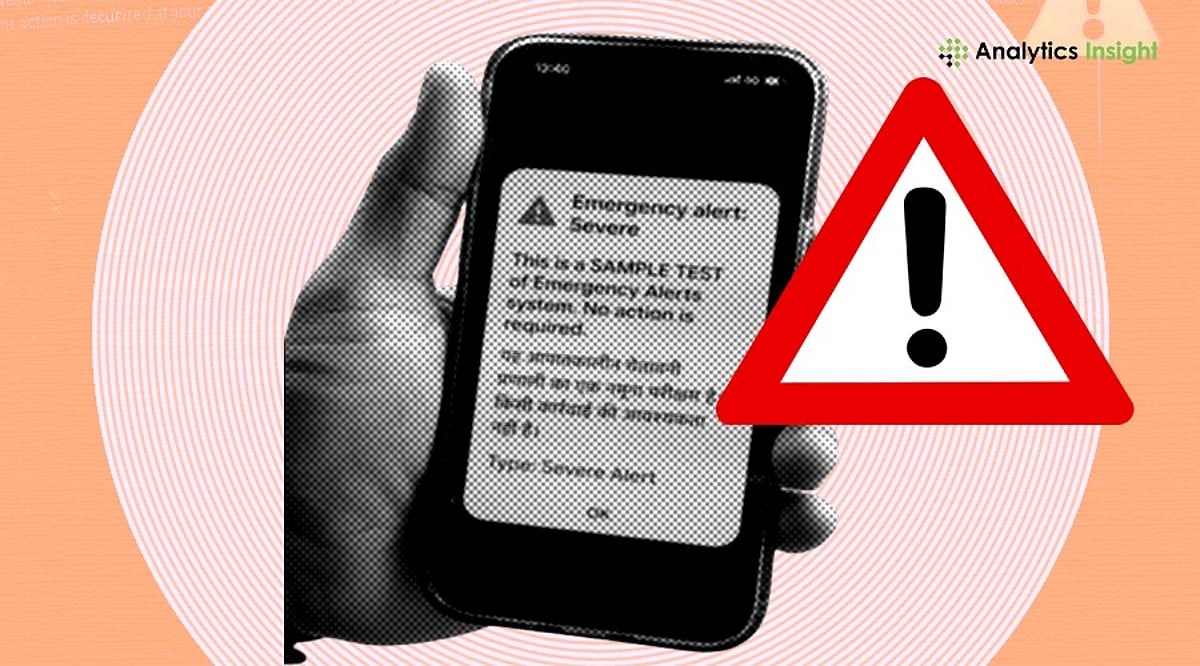
A technical incident in Hyderabad on May 2nd served as a loud—literally—case study in building a sovereign digital security perimeter. During a drill conducted by the National Disaster Management Authority (NDMA), residents of Telangana state received full-screen alerts that brazenly bypassed silent modes on their smartphones. According to the NDMA, this wasn't a glitch, but a stress test of the system ahead of the monsoon and cyclone season. From a professional standpoint, the real interest here lies not in the social media buzz, but in the shifting principles of how critical infrastructure communicates with the public.
India has finally recognized SMS broadcasts as a dead end, pivoting instead to the Cell Broadcast protocol. As explained by the NDMA, this technology delivers messages instantaneously without requiring an internet connection, app subscriptions, or even a 'free slot' on the network. Unlike traditional SMS, which often fails during mass emergencies due to network congestion, Cell Broadcast is location-based and cuts through overloaded base stations. This ensures that life-saving information doesn't become a victim of the very disaster it aims to mitigate.
However, the Hyderabad test exposed a gap between technical sophistication and the human element. Despite prior government announcements, the piercing sounds and intrusive notifications sparked panic in offices and public spaces. According to a report by Analytics Insight, many users rushed to dismiss the alerts without reading them, driven by sheer anxiety. This psychological barrier proves a vital point: you can build a flawless digital fortress, but the public interface still needs refinement.
For IT leaders and infrastructure specialists, the lesson is clear: high delivery speeds are useless if a user's first instinct is to silence the device rather than follow instructions. Digital sovereignty requires more than just robust protocols; it demands the cultivation of public trust.