AI · This text was generated with artificial intelligence
WWDC 2026 was less of a victory lap for Apple and more of a forced damage-control exercise. As Tim Cook prepares to hand the helm to John Ternus, iOS 27 feels like a desperate attempt to catch the AI train while finally patching the interface and search flaws that have frustrated users for years. The fact that Apple has opened the hood to let Google Gemini power Siri is a public admission of defeat: their own internal resources weren't enough to win the ambition race. Cupertino has decided it is better to be a pragmatic middleman than a proud outsider.
Autonomous Interfaces as the New Normal
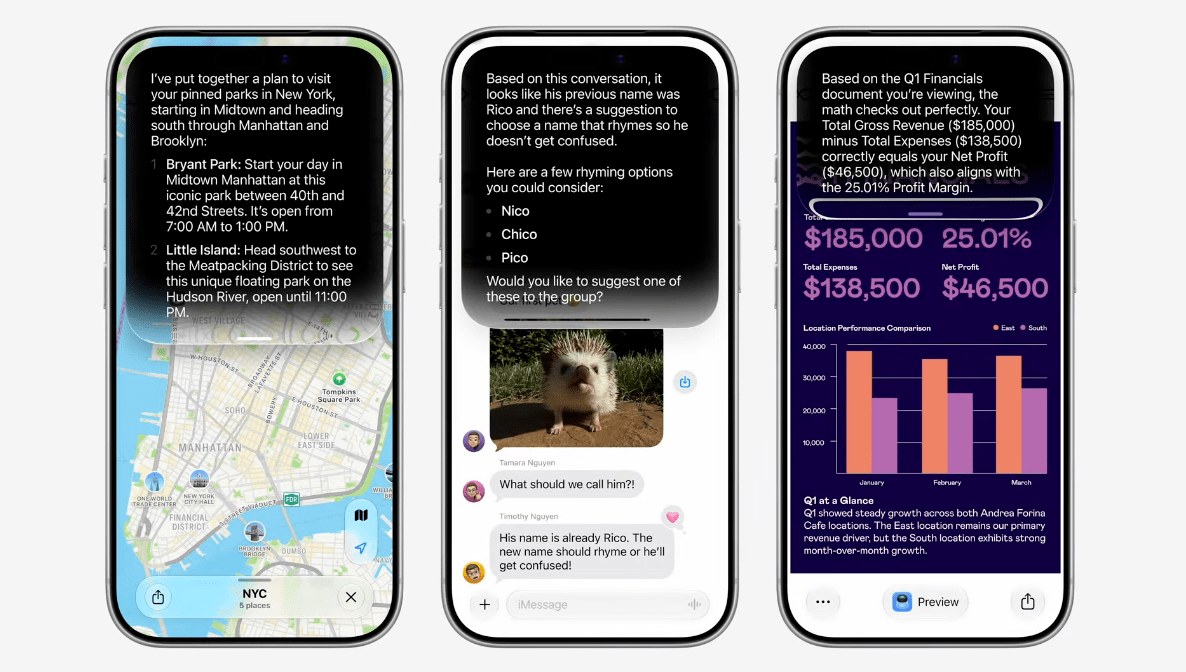
The major tectonic shift in iOS 27 is the transformation of Siri from a lackluster voice assistant into a full-fledged agent with deep cross-app context. It is no longer just an "add-on" but a layer that orchestrates data via updated Intent APIs. For businesses, this marks the end of the closed digital fortress era: if your app cannot feed data to the system’s "intelligence" layer, it will simply vanish from the user’s radar.
Data is used only to fulfill your request, and third-party experts can verify this promise at any time.
Apple is building its stronghold on privacy, using it as leverage against cloud giants. While competitors burn electricity in massive data centers, the vertical integration under Ternus bets on edge AI. Findings by researcher @M1Astra in the beta—such as `foldState` and `angleDegrees` parameters—suggest that hardware is finally being tailored to proactive software. In this paradigm, traditional apps are relegated to the role of disenfranchised data providers for Apple’s unified intelligence.
Integration Economics: Utility Over Hype
Instead of entertaining the public with image-generating chatbots, Apple is focusing on the unglamorous but profitable side of efficiency. Updates to Search and the Health app aren't innovation for innovation's sake; they are attempts to drive ROI by automating micro-tasks. The strategic alliance with Google allows Apple to avoid spending billions on catch-up training for foundational models, focusing instead on what it does best: controlling the user experience.
We were promised an era of spatial and artificial greatness that would flip the industry on its head. In reality, we received a series of technical patches and a contract with a primary rival that is now doing Apple's heavy lifting. Cupertino calls this a "demonstration of leadership," but from where we sit, it looks like a calculated surrender to a reality where software has ceased to be an end in itself and has become mere fodder for algorithms.