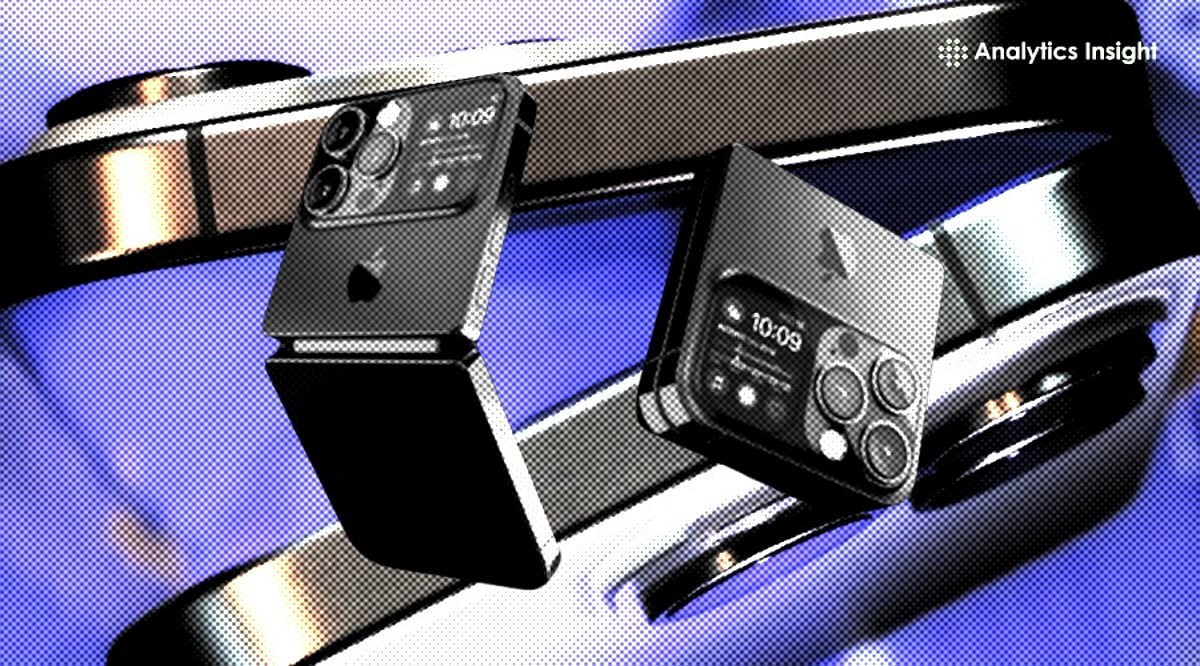
Apple is preparing for a tectonic shift in both its pricing strategy and product philosophy. As the company prepares for an eventual transition of power from Tim Cook to John Ternus, it is pivoting toward high-stakes hardware experiments to justify its multi-billion dollar investments in neural networks. The centerpiece of this strategy is the rumored iPhone Ultra (or Fold)—a device set to shatter the $2,000 psychological price barrier.
According to Analytics Insight, Apple isn't merely joining the foldable smartphone race; it is creating a high-margin gateway for power users. This new demographic requires significantly more screen real estate than the traditional form factor can provide to effectively run the next generation of AI agents.
For Cupertino, the technical hurdles associated with foldable screens—such as creases and display fragility—are more than just aesthetic concerns; they are strategic barriers. The updated roadmap under Ternus’s influence extends far beyond incremental camera updates. Apple is reportedly developing a diverse spectrum of AI-centric hardware, ranging from smart glasses and camera-equipped AirPods for contextual analysis to wearable companion pendants and even desktop robots with robotic arms. The Apple Intelligence ecosystem demands substantial local processing power and fundamentally different interfaces; in this context, a foldable form factor appears to be the only logical solution for the level of multitasking a standard smartphone cannot handle.
This expansion also reaches into the smart home, where Apple plans to deploy an automation system powered by new hubs and advanced security protocols. This ensemble of devices is designed to lock high-net-worth users into a “golden cage,” driving up Average Revenue Per User (ARPU) while leveraging the company's signature privacy standards. Essentially, the $2,000 iPhone Ultra is becoming the foundation of a new ecosystem—a pocket-sized AI workstation for resource-heavy processes that Apple intends to handle locally on-chip rather than in the cloud.
For investors and business leaders, this maneuver signals a clear directive: Apple is officially dismantling the $1,000 price ceiling for its primary revenue driver. Transitioning to a $2,000 flagship standard allows the company to maintain its legendary margins while segmenting its most affluent audience to subsidize neural network development for the decade to come. For those planning corporate mobile strategies for 2026 and beyond, it is time to adjust: the Pro line is set to become the new “middle class,” while the definitive productivity tool will begin at a price point that challenges even the most robust executive budgets.