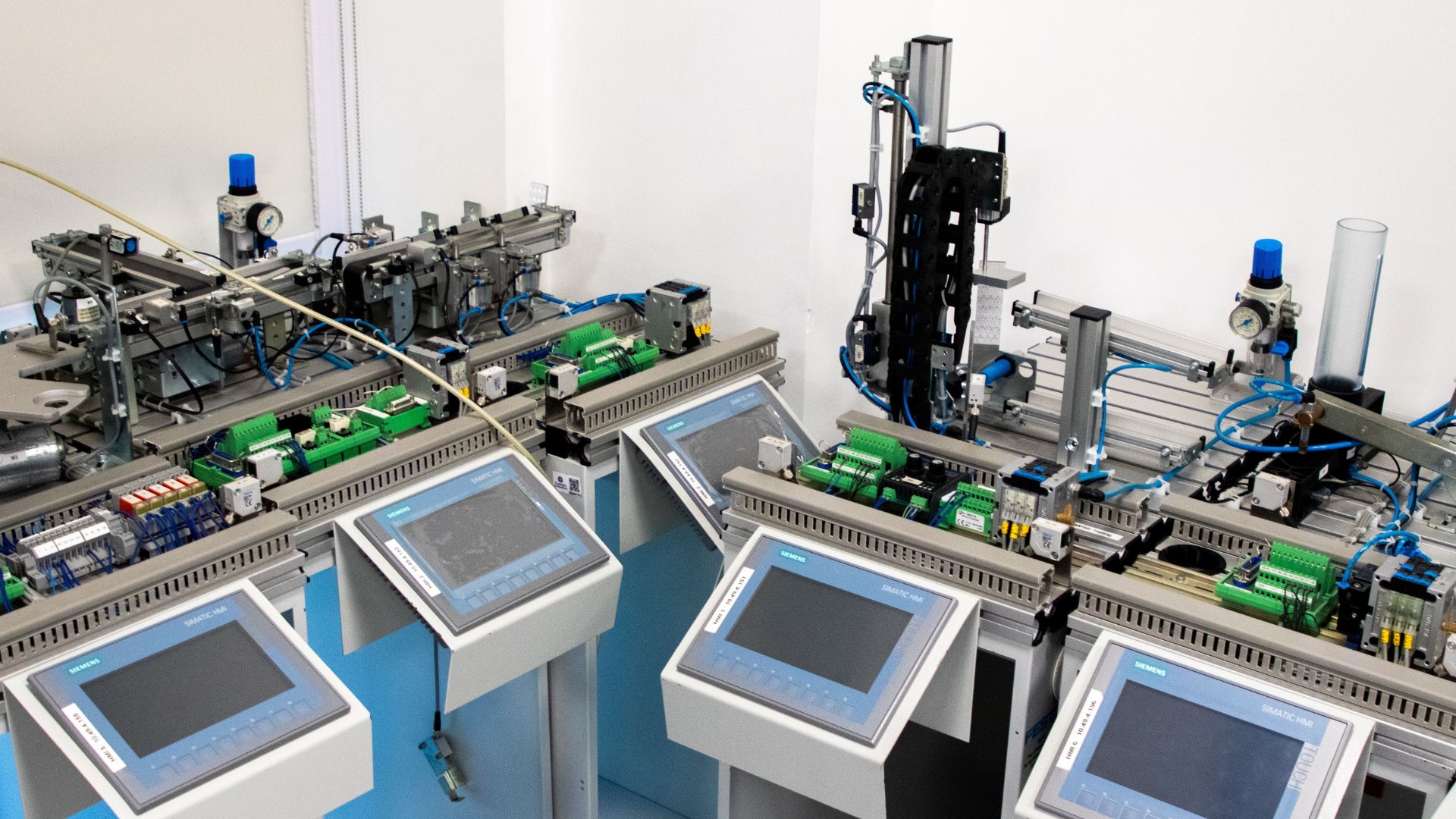
Iranian state-sponsored threat actors are actively leveraging generative artificial intelligence to streamline cyberattacks against Siemens S7-series programmable logic controllers (PLCs), according to a joint advisory from CISA, the NSA, the FBI, the Department of Energy, and the EPA. Instead of spending months reverse-engineering legacy industrial hardware, attackers are feeding public technical manuals and device schematics into large language models to rapidly generate tailored exploit scripts for water treatment plants, power grids, and manufacturing facilities.
Generative AI serves here as a force multiplier for exploitation. Attackers deploy automated tooling to identify target-specific attack vectors, bypass active perimeter defenses, and dynamically camouflage malicious binaries as standard monitoring utilities using open-source automation libraries. Targeted sectors span water and wastewater, energy, chemical processing, critical manufacturing, and commercial infrastructure. Federal agencies caution that these exploits bypass abstract data theft to target direct kinetic disruption: forced equipment degradation, physical destruction, and cascading systemic downtime.
The strategic implication for executive leadership is unambiguous. Offensive AI has collapsed the timeline required to weaponize public documentation against physical infrastructure. Leaving legacy operational technology (OT) and industrial control systems (ICS) exposed to the open web without strict network segmentation, multi-factor authentication, and air-gapped perimeters is no longer just poor cyber hygiene—it is an unhedged operational liability directly threatening production uptime.