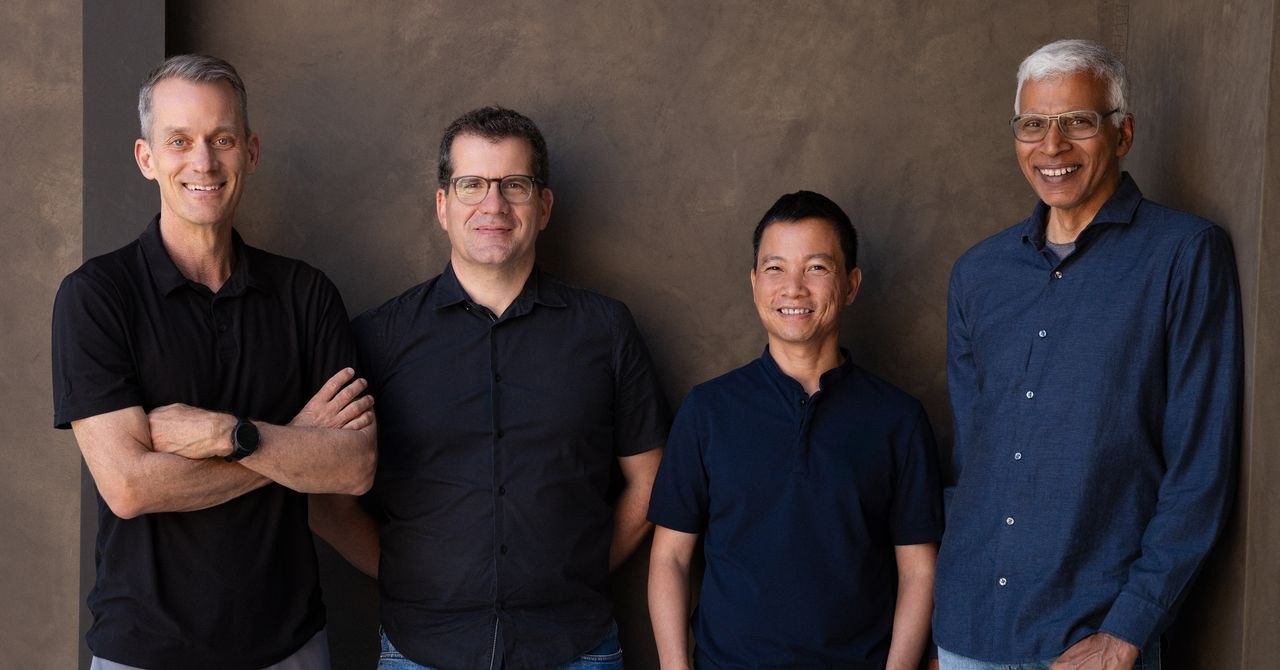
Google’s era of R&D dominance is hitting a wall of its own making. Jeff Dean, the legendary Chief Scientist and architect of Google Brain, is finally stepping away from the corporate machinery after 27 years. He isn’t leaving for a quiet retirement; he’s taking the industry’s most critical minds—Sanjay Ghemawat, Oriol Vinyals, and Quoc Le—to launch Discovery Loop. While Mountain View is trying to save face by taking a stake in the venture, the subtext is deafening: the architects of Gemini no longer believe the most significant breakthroughs will happen inside Google’s bureaucratic fortress.
The departure signals a fundamental crisis in corporate AI management. For years, Google ‘marinated’ world-changing technologies in research labs, only to be outpaced by leaner startups. Now, the talent behind AutoML-Zero and Google’s core infrastructure is betting on an autonomous version of the scientific method. Discovery Loop aims to replace human-led experimentation with closed-loop AI systems that propose, test, and refine hypotheses in biology and chip design without waiting for a middle manager’s approval.
This shift from closed laboratories to the venture-backed ecosystem—specifically toward the agility favored by Y Combinator and similar hubs—marks the end of the 'Big Tech as a Sandbox' era. When the people who built the industry's foundation decide they can evolve machine learning algorithms faster in a 'garage' than with Google’s infinite compute, it proves that legacy infrastructure has become a liability. The smart money and the top-tier talent are moving away from building chatbots toward building autonomous researchers, leaving the incumbents to struggle with the weight of their own scale.