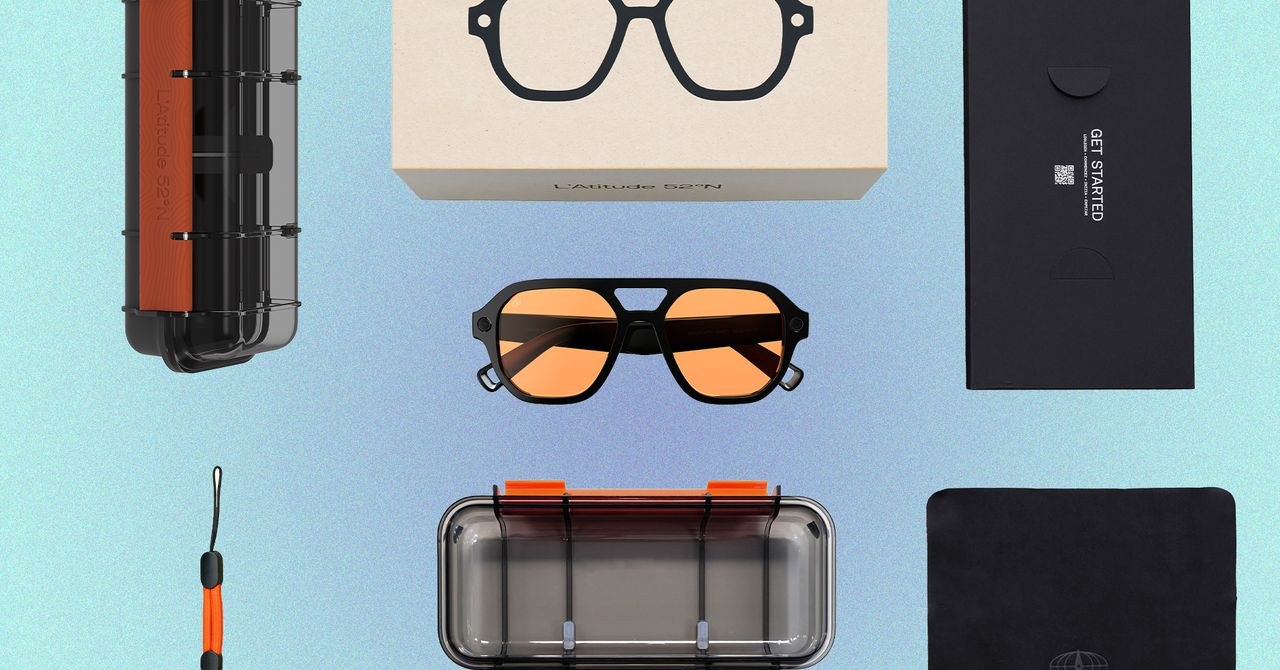
Berlin-based startup L'Atitude 52°N, led by former Oppo and OnePlus executive Gary Chen, is attempting to redefine the economics of wearable tech by turning electronic purchases into indefinite subscriptions. For $399, customers aren't buying a smart gadget so much as temporary access to the 'Goya' cloud agent. As Chen admitted in an interview with WIRED, once the one-year free trial ends, object recognition and AI-guide features will simply be deactivated, leaving the owner with nothing more than basic cameras and headphones.
For the business world, this is a red flag: the device ownership model is definitively drifting away from capital expenditure (CAPEX) toward unpredictable operating expenses (OPEX). Gary Chen’s strategy appears overtly cynical—the founder explicitly stated that he will only determine the subscription price six months after launch, once he has studied user behavior and calculated how much profit can be extracted from them. Meanwhile, pre-orders are set to open on May 19, despite the company's history of delivery delays and canceled models.
From our perspective, purchasing such devices for the corporate sector is a voluntary surrender to vendor lock-in. You aren't buying a tool for field employees; you are renting their vision. As soon as the startup decides to hike prices or its servers go offline, critical functionality becomes instantly worthless. Until data processing shifts to edge computing (processed locally on the device itself), smart glasses remain a financial risk where the 'off switch' for your business processes sits in a foreign boardroom.