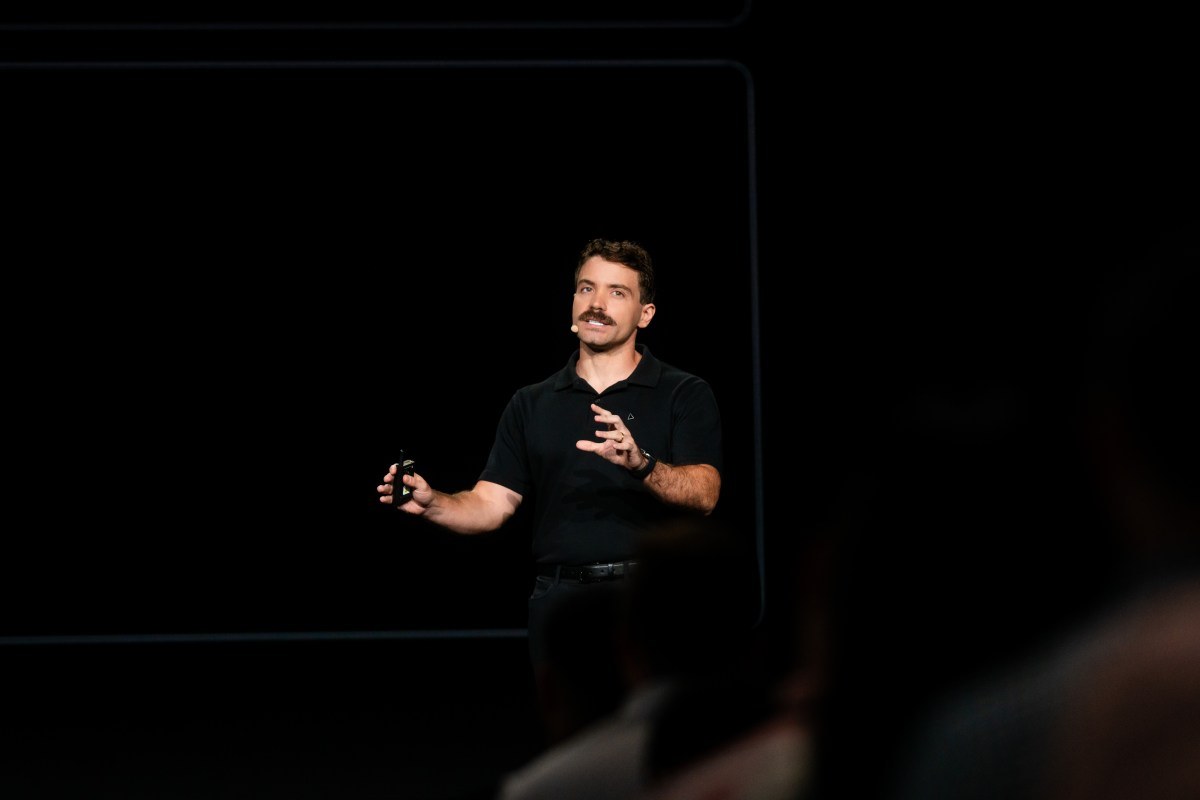
The era of blind loyalty to a single AI lab ends where harsh production realities begin. Today, the industry is forced to draw a hard line between the "brains" (the model) and the "hands" (the agent framework). According to Vercel CEO Guillermo Rauch, turning intelligence into a replaceable plug-and-play component is not a developer's whim—it is a fundamental requirement for maintaining data sovereignty and controlling costs. We are moving from chaotic prototyping to modular architectures where models, gateways, and sandboxes reside in independent layers.
This decoupling allows businesses to switch providers based solely on pragmatic price-to-performance ratios rather than the fear of crashing the entire system. Vercel’s statistics confirm that the agentic layer has already become the dominant force in development. The company’s AI gateway processes a staggering 1 trillion tokens daily, while half of its 6 million daily deployments are initiated by AI coders. It is clear that value-add is migrating from "raw" model weights to the execution environment.
Key Advantages of the Modular Approach
Vendor Independence: The ability to instantly switch between OpenAI, Anthropic, or local models. Cost Control: Optimizing expenses by selecting the most efficient model for a specific task. Data Security: Isolating code and confidential information within a controlled execution environment.
In a world where a trillion tokens pass through a single platform daily, any architectural lock-in with a specific vendor becomes an unacceptable risk.
By leveraging frameworks like Eve or Vercel Sandbox, organizations are effectively putting agent intelligence in a cage. This allows for the implementation of strict data access policies and prevents sensitive source code from leaking into the training sets of cloud giants. Last year’s slogan to "unleash the agents" has been replaced by a focus on internal security and utility. Business leaders are no longer buying into brands; they demand clear tool-call auditing and a predictable total cost of ownership (TCO).