AI · This text was generated with artificial intelligence
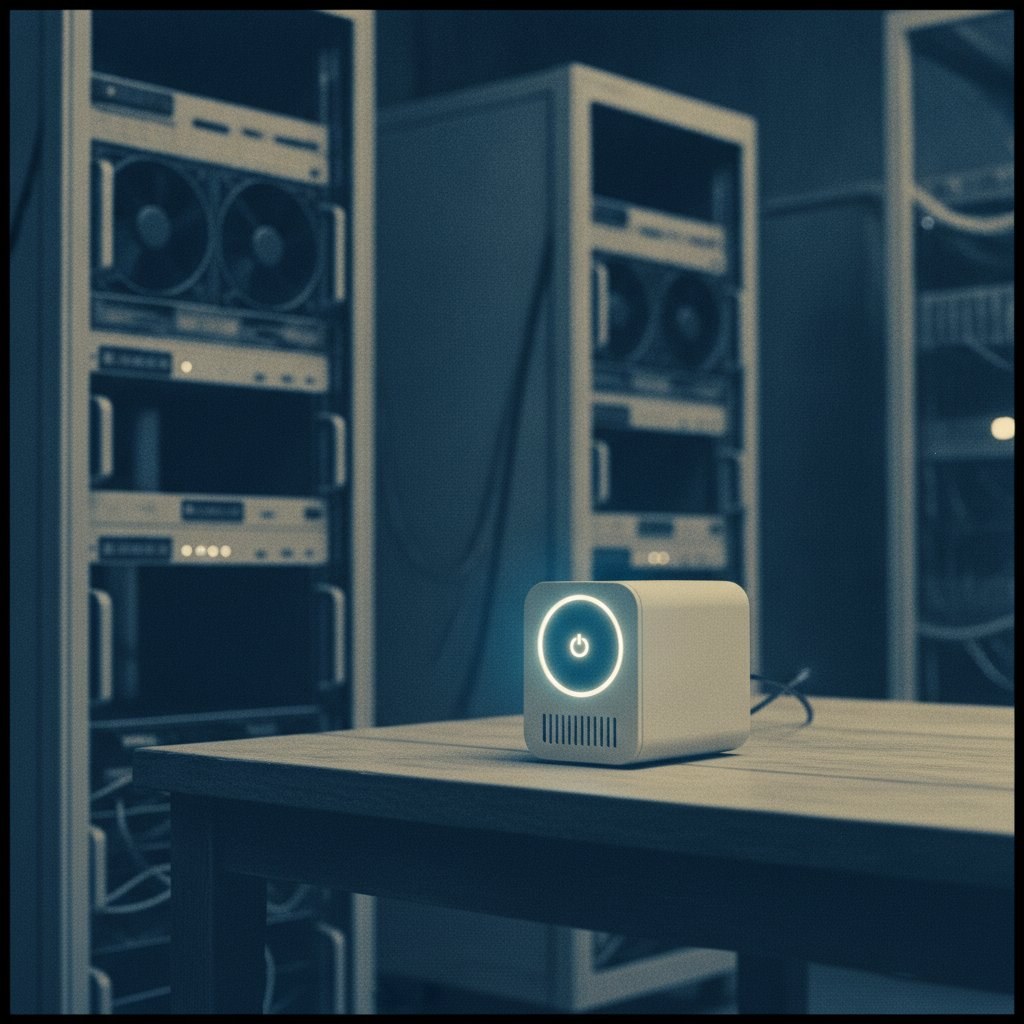
Switching to local hardware is no longer a hobby for enthusiasts; it has become a matter of cold, pragmatic calculation. By pairing Swift and MLX instead of the cumbersome Python stack, developers can extract server-grade performance from consumer-grade Apple hardware. In a recent case study using the native Twisterminigen app, rendering a Krea 2 Turbo model on a Mac mini M4 with 32GB of RAM took just 7 minutes. For comparison, attempting a similar result in Ideogram 4 (Quality mode) required 384 minutes. This staggering gap is more than just a time-saver—it is a signal to cancel those expensive cloud subscriptions.
The Precision Trap
However, Apple’s PR releases often gloss over the mathematical nuances that can break a business process. When porting models to native code, precision is more critical than it appears. A minor error of just 5 tokens out of 512 in the Rotary Positional Embedding (RoPE) mechanics causes 99.32% of the pixels in the final image to shift. The resulting image might still look "pretty," but it ceases to be a reference-standard output.
A beautiful PNG is no longer proof that your code is working correctly. Without verification via oracle scripts, you risk producing visual junk disguised as high-quality renders.
Efficiency Without the Overhead
The current tech stack allows for extreme optimization: 31.18 GB of model weights can fit precisely into the 32 GB of unified memory on a Mac mini. Twisterminigen eliminates Python middleware entirely, relying on native SwiftUI and direct GPU access via MLX. This transforms the compact desktop into a high-end design station capable of switching between fashion shoots and architectural visualization without cache-clearing delays. When prompts are written in natural language and system telemetry is transparent, content generation shifts from an unpredictable expense to a controlled asset.
Local inference on M4 hardware eliminates recurring API costs for high-volume production. Native MLX implementation outperforms traditional Python-based cloud workflows in specific rendering tasks. Unified memory architecture allows consumer devices to handle professional-grade model weights.
It is time for an honest inventory: compare your Midjourney or Adobe invoices against the CAPEX of an M4 Mac mini fleet. The break-even point for a local inference studio is now within arm's reach, making total reliance on third-party APIs an unjustifiable luxury.