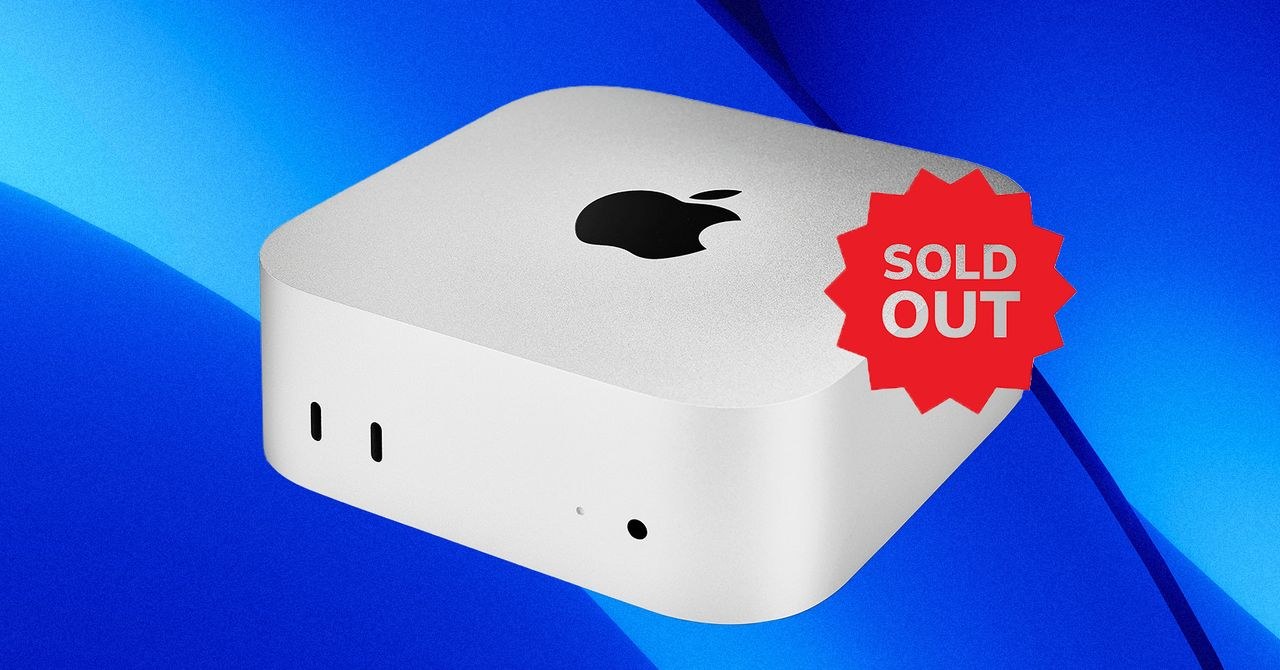
During a recent earnings call, Tim Cook confirmed what many in the industry already suspected: Apple failed to anticipate the market's sudden hunger for compact compute. The current Mac Mini shortage, stretching into months-long delays, is more than a mere logistical hiccup—it is a symptom of a fundamental paradigm shift. While Apple reported record Mac revenue of $8.4 billion, its compact desktop has become a rare artifact.
According to Cook, the speed at which users are adopting AI tools and autonomous agents is significantly outstripping Cupertino’s forecasts. The frenzy surrounding the Mac Mini isn't just marketing hype; it is a calculated move by engineers. M-series chips, featuring Unified Memory Architecture, have become the de facto industry standard for local inference. Their performance-per-watt ratio makes these devices ideal for running AI agents locally, bypassing the recurring costs of expensive cloud services. Developers have effectively cleared the shelves of base models, while 512GB configurations vanished as early as March. This demand spiked further following the release of OpenClaw, an open-source tool that transformed the Mac Mini into the primary workhorse for autonomous agents.
For enterprise leaders, this shortage is a critical signal: the era of total reliance on cloud APIs is hitting a bottleneck. The shift toward local AI power requires CTOs to immediately rethink their procurement cycles. If even Apple, with its world-class supply chain, is hitting a ceiling, the risk of an infrastructure drought is very real. While Cook and his likely successor John Ternus promise "incredible" future products, the reality is stark: those who didn't secure their hardware yesterday are now stuck in a months-long queue.
The Mac Mini deficit serves as a leading indicator for the actual deployment of agentic AI in the workplace. Vendor infrastructure simply wasn't ready for neural networks to migrate from data centers to employee desks this quickly. Businesses must acknowledge that local compute is now as critical to their strategy as software itself. Delays in acquiring these compact stations could soon stall the automation of entire departments.