AI · This text was generated with artificial intelligence
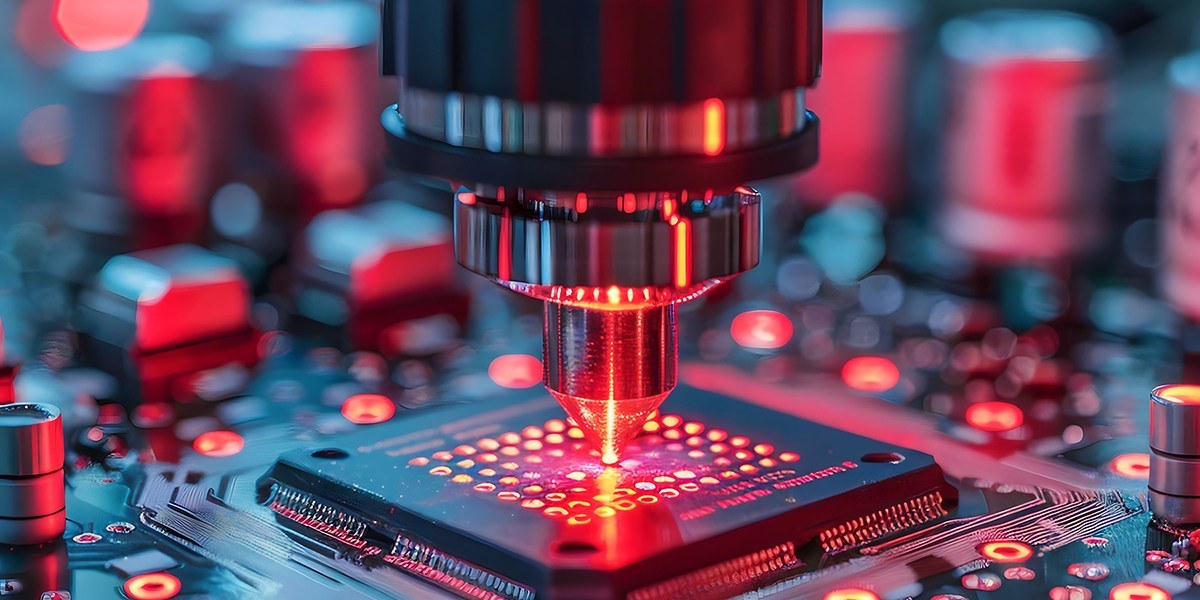
While the public is busy obsessing over parameter counts in the latest LLMs, the AI industry is hurtling toward a wall built by the laws of thermodynamics. We have grown accustomed to thinking of progress as a matter of elegant algorithms, but the reality is harsher: software can no longer scale without a fundamental overhaul of semiconductor chemistry. As experts at Syensqo rightly point out, every leap in computing power today requires a proportional microscopic revolution. If your materials cannot withstand aggressive plasma or they overheat at the starting line, the most brilliant chip design becomes a useless piece of silicon.
Atoms as the new technological moat
Modern semiconductor manufacturing involves thousands of stages where the margin for error has evaporated. Tiny temperature fluctuations or chemical instabilities lead to defects that instantly incinerate margins and bloat production costs. In this high-stakes game, advanced polymers and elastomers are no longer mere consumables—they are strategic assets. Control over specific chemicals is becoming the new competitive moat. The winner is no longer just the one who designs the GPU architecture, but the one whose materials can survive extreme environments without degradation. This is no longer about production optimization; it is a question of physical survival for the industry.
Modern materials no longer serve innovation—they define the boundaries of what is possible.
This tectonic shift is transforming materials science from a background service into a primary performance driver. For data centers, computational density is radically changing design rules. The transition to high-voltage architectures and complex cooling systems is not a whim, but a necessity to keep Total Cost of Ownership (TCO) within reasonable limits. According to Syensqo, the advantage lies with those who can port expertise from electrical engineering and adjacent markets into the server rack. The ability to manage heat and conductivity at the atomic level translates directly into savings for hyperscalers.
Engineering reliability in an era of extreme loads
Today, performance is measured not just in teraflops, but in the balance between technical audacity and physical reliability. While the market discusses waitlists for the latest hardware, engineers are battling material degradation caused by harsh plasma exposure. The reliability of every connector, capacitor, and drive under savage power consumption depends on chemistry. If a material loses its integrity under load, any architecture, no matter how advanced, will be consigned to history.
Betting solely on GPU design while ignoring thermodynamics is a guaranteed path to a technological dead end. We find ourselves in a strange position: the future of the digital economy now depends on how a specific elastomer reacts to plasma in a lithography machine. The silicon era was never just about silicon, and the AI race will be won by those who learn to subdue the physical appetites of their systems, rather than those who simply stamp out more transistors.