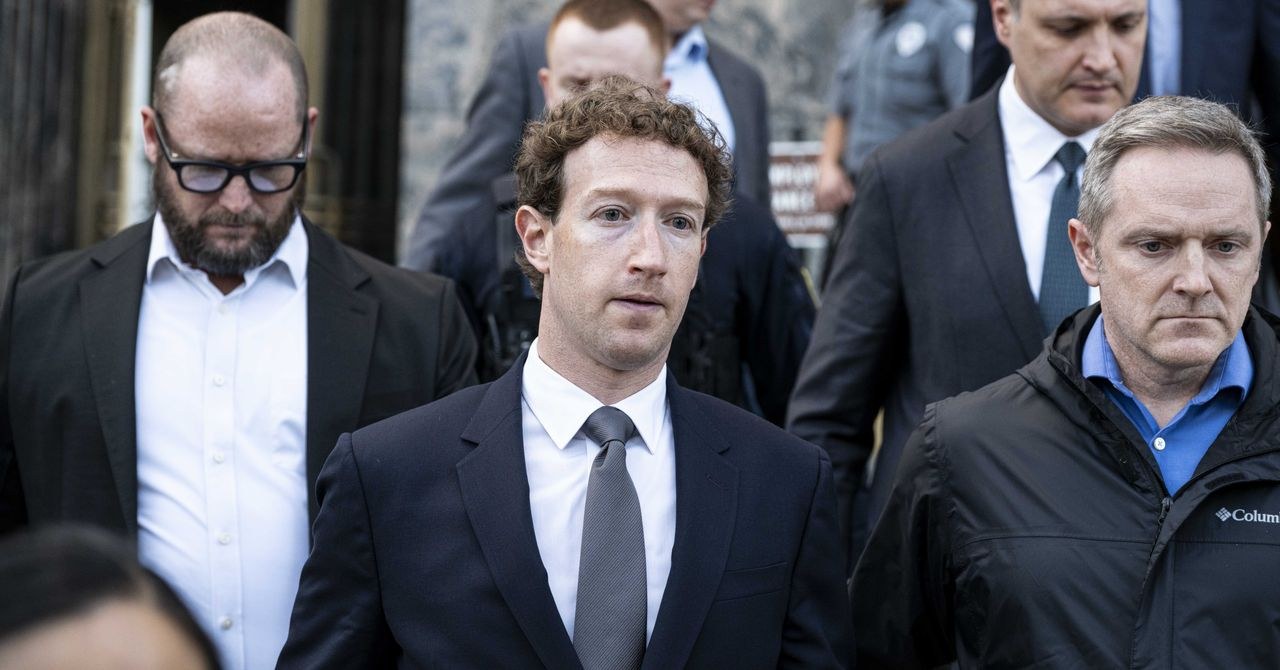
Legal battles over consumer digital product architecture spent years treating recommendation feeds as neutral pipelines, but that corporate defense just collided with an insurmountable legal liability. Facing allegations of deliberately engineering adolescent screen time at the expense of mental health—and facing statutory damages exceeding $1 trillion—Meta abruptly folded less than a quarter into an expected 19-day federal trial. To avoid catastrophic financial exposure, the social media giant surrendered to 51 US states and territories.
Under the terms announced on Wednesday, Meta agreed to pay up to $16.7 billion and commit to structural product overhauls across Instagram and Facebook. The capitulation arrived moments before Instagram head Adam Mosseri was scheduled to take the witness stand, underscoring how untenable defending engagement-maximizing algorithms had become under rigorous legal scrutiny.
The Financial Structure and Industry Conditions
Beyond the headline $16.7 billion payout, the agreement establishes a critical precedent: product architectures designed to maximize dopamine-driven time-on-app are now legally recognized as direct liabilities. While Meta urgently attempted to pivot the narrative by demanding competitors like TikTok and YouTube adopt identical terms, the financial fallout signals an unavoidable industry-wide domino effect.
"Ensuring teens have a safe and productive experience on our platforms is an absolute imperative for Meta. We want to get this right for parents and teens, and that’s why we partnered with state attorneys general to set a new industry standard."
Meta framed the settlement as a proactive, collaborative standard-setting initiative, but the corporate PR does little to disguise a forced retreat. State officials view the outcome as an enforcement milestone that permanently shifts regulatory leverage against algorithmic platforms. California Attorney General Rob Bonta emphasized that the settlement creates substantial structural relief for families, noting that prior state-level actions in California and New Mexico had already extracted nearly $1 billion in penalties from Meta this year.
Mandated Architecture and Product Limits
The operational mandate cuts directly into the growth loops that drive monetization. Subject to judicial approval, teenage accounts will face a default two-hour daily cap across Instagram and Facebook that requires explicit parental permission to bypass. These interface constraints systematically compress high-frequency impression inventory among valuable young demographics.
Operational curbs also govern delivery hours and passive consumption mechanisms. Platforms will be disabled by default for teenagers between midnight and 6 am, while push notifications will be silenced from 8 am to 3 pm on school days between August 15 and June 15. The settlement also suppresses public like and reaction counts by default, introduces recurring usage nudges every 15 minutes, and empowers parents to turn off autoplay or switch algorithmic feeds back to strictly chronological streams.
While narrow exceptions remain for direct messaging and long-form video over 22 minutes, the broader economic consequences are clear. Product strategists across TikTok, YouTube, and Snap now face an unavoidable trade-off: voluntarily dismantle aggressive retention mechanics and absorb reduced ad inventory, or face the exact same multi-billion-dollar legal meat grinder.