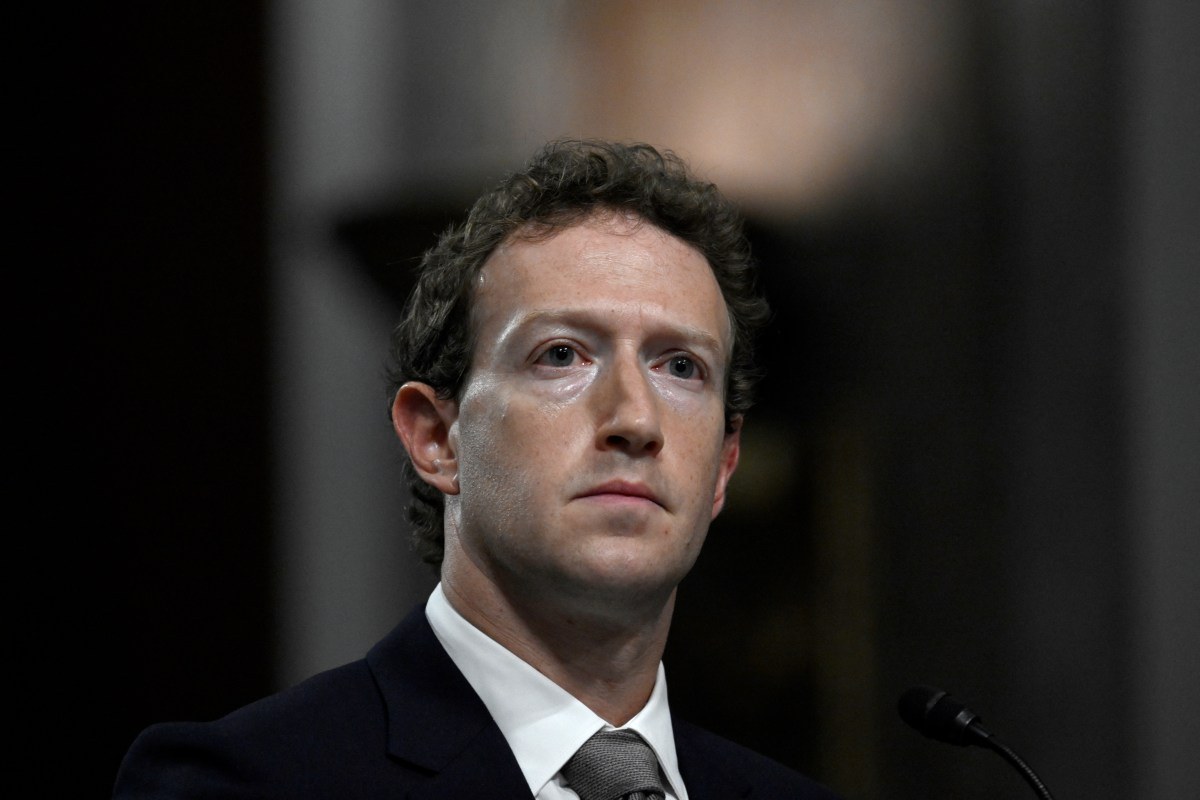
Replacing humans with algorithms is proving to be a much rockier path than Big Tech brochures suggest, and Mark Zuckerberg just confirmed it. During a recent internal meeting, Meta’s CEO admitted that the pace of AI agent development has failed to meet leadership's expectations. This admission is particularly stinging following a radical shake-up where the company laid off approximately 8,000 employees—nearly 10% of its workforce. The strategy was clinically corporate: shed "human ballast" and pivot hard toward an automated future. But reality, where autonomous agents must flawlessly execute complex, multi-step tasks, is stubbornly refusing to align with the founder’s ambitions.
The Friction of Forced Transformation
Meta’s attempt to force progress through aggressive personnel reshuffling has yet to yield a linear return on investment. According to Bloomberg, the company moved 7,000 employees into new AI divisions, including a unit grandiosely named "Agent Transformation." However, there has been no clean transition: Zuckerberg conceded that the impact of this new structure has yet to materialize. It appears the frantic reallocation of resources was more of a defensive reflex—driven by a fear of falling behind the market—than a response to ready-made technological solutions. Internal pressure to automate everything has collided with a simple truth: engineers don't yet have the necessary tools at their disposal.
Zuckerberg told employees that the pace of AI agent development did not accelerate as much as the company’s leadership had anticipated.
As Meta prepares to sink an astronomical $145 billion into AI infrastructure (per Reuters forecasts), the atmosphere inside the company is far from celebratory. Engineers transferred to these newly minted units have reportedly described the work environment as a "soul-crushing gulag." This reinforces a crucial point: you cannot solve the fundamental problem of agent reliability simply by throwing money and thousands of specialists at it. Mathematics and architectural barriers cannot be "managed away" or intimidated by the threat of layoffs.
Strategic Lessons for Business
The gap between the marketing hype surrounding virtual "employees" and their actual capacity to execute business logic without hallucinating is only widening. The Meta case serves as a cold shower for business leaders dreaming of mass layoffs in favor of unseasoned algorithms. The company bet on a rapid transit and lost; the technology requires time to mature. While Zuckerberg promises improvements within three to six months, these deadlines follow a string of already broken promises. For now, betting on full autonomy looks less like process optimization and more like a dangerous gamble on a roadmap that is still a rough draft. Ultimately, Meta has spent billions on hardware and shed experienced staff, while the software intended to replace them continues to operate on its own, much slower schedule.