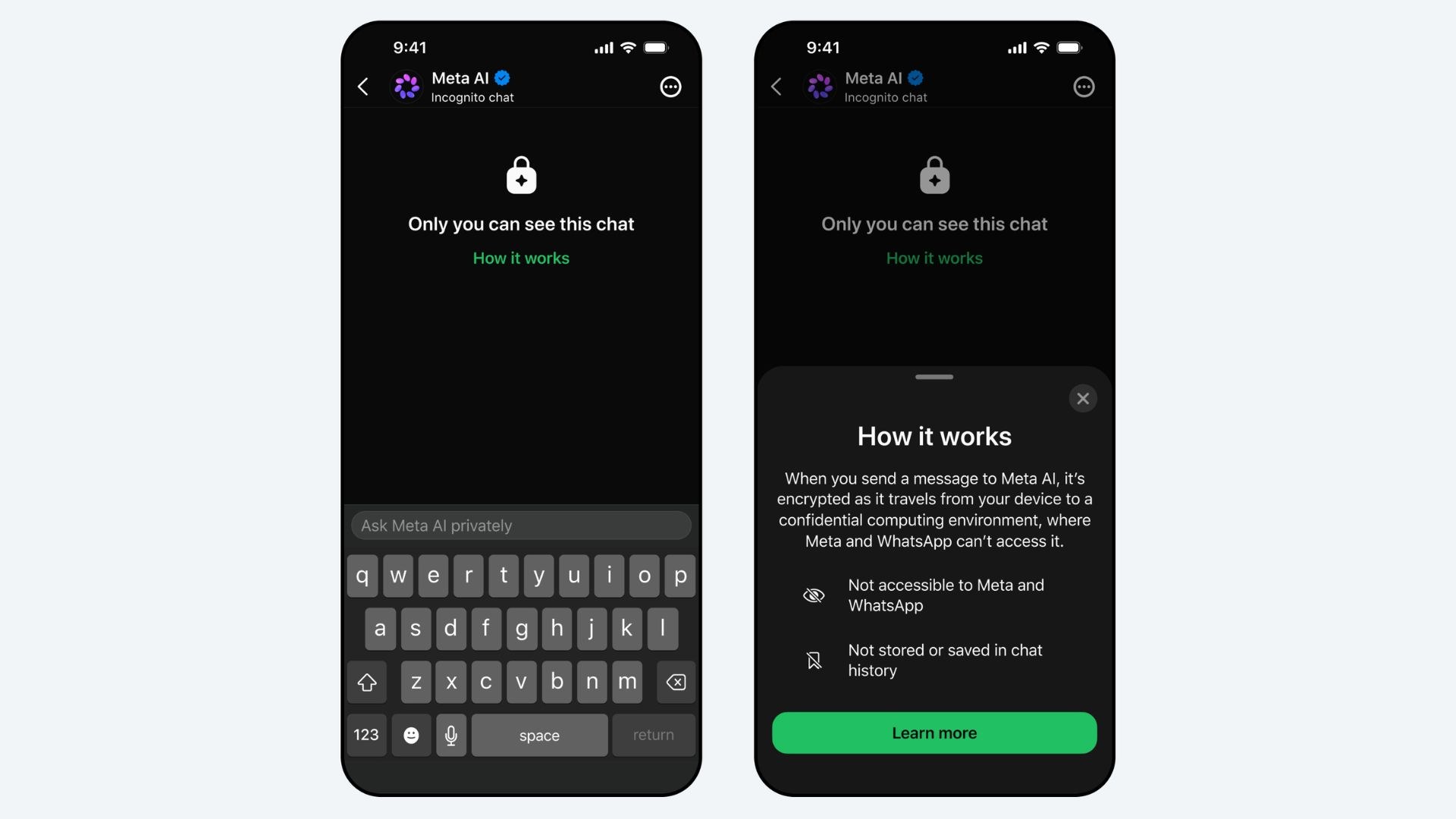
Mark Zuckerberg is betting that the shortest path to AI dominance leads through an end-to-end encrypted vault. The Meta CEO is rolling out Incognito Chat, a project he bills as the first mass-market AI product featuring zero-server logging. It is crucial to distinguish this from the decorative "incognito modes" offered by competitors; in those cases, a session’s invisibility to the user does not mean it is invisible to the provider. While Google, OpenAI, and Anthropic maintain a backdoor for data access, Zuckerberg claims Meta’s architecture makes reading user correspondence technically impossible, even for the company itself.
There is a calculated paradox in this maneuver. At the same time Meta is facing scrutiny over encryption in Instagram DMs, it is implementing it in its AI assistant with fanatical persistence. The reason is pragmatic: data is becoming legally toxic. ChatGPT logs are already surfacing in high-profile lawsuits in Canada and Florida, and the New York Times has secured a court order requiring OpenAI to preserve certain chat histories indefinitely. Google is facing similar headwinds, defending against lawsuits tied to advice given by Gemini. By blinding itself to the data, Meta is effectively insulating its balance sheet from regulatory and judicial fallout. You cannot be subpoenaed for logs you don’t have, nor can you be held liable for hosting harmful content if you literally lack the keys to see it.
This approach exerts massive pressure on the Silicon Valley hierarchy. Currently, Google retains "temporary" Gemini chat data for up to 72 hours, while OpenAI and Anthropic hold ChatGPT and Claude logs for 30 days. For corporations handling trade secrets or sensitive financial reporting, that 30-day window represents a catastrophic risk. By embedding Incognito Chat into WhatsApp and the Meta AI app, Zuckerberg is forcing the market to make an uncomfortable choice: continue feeding models with user data or provide the Zero Trust environment that enterprise security teams demand.
Strategically, Meta is using privacy not as a feature, but as a wedge to pry open the corporate sector while OpenAI and Google remain hostages to their own log-based training cycles. This shift toward instant session deletion transforms data storage from an asset into a toxic liability. Meta is setting a precedent where the evidence of an interaction vanishes the second you close the tab. For a business world weary of digital surveillance, this architectural shield may carry more weight than any marketing promises of a "smarter" assistant.