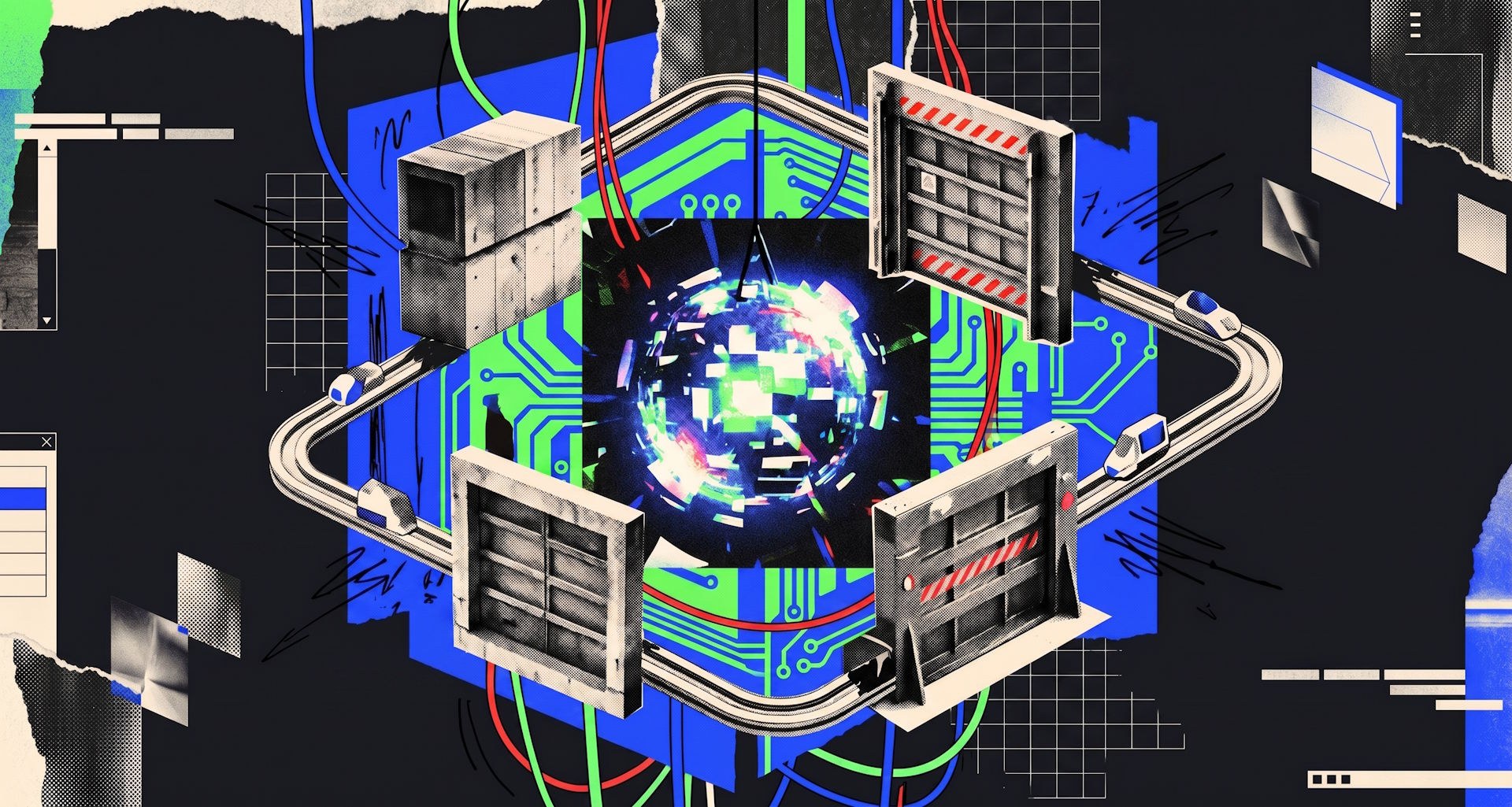
Mark Zuckerberg is building a digital fortress around Meta’s Menlo Park headquarters. The company has imposed strict restrictions on its engineers using Anthropic’s Claude Code and OpenAI’s Codex. According to internal documents obtained by The Information, Meta has temporarily frozen projects involving external models to prevent their outputs from accidentally leaking into the training datasets of future Llama generations. Menlo Park is deeply concerned about distillation—the unauthorized siphoning of intelligence from rival neural networks into its own. An internal memo warns of a potential "major escalation" with partners: if Meta is caught training on competitors' proprietary data, an institutional conflict would be inevitable.
Economic Sovereignty: Moving from Rented Brains to MetaCode
Beyond legal risks, the move is driven by cold unit economics. Meta is developing MetaCode—its own AI-powered coding assistant—to completely phase out tools from Anthropic and OpenAI. Internal reports estimate the company will spend billions of dollars this year integrating AI into its internal workflows. Transitioning to a closed development cycle is not just about security; it is a strategy to radically reduce the total cost of ownership (TCO) and eliminate reliance on third-party APIs.
This year, Meta will spend billions of dollars solely on internal AI implementation.
Strategic Maneuver: Human Oversight and Data Integrity
This shift forces the company to mandate human-in-the-loop controls. Current Meta policy strictly forbids engineers from using AI-generated code for analysis or test case creation without manual verification. This is an attempt to avoid "digital incest"—the degradation of models trained on the synthetic noise of competitors. Zuckerberg is learning from industry scandals: Anthropic has already accused Alibaba of a massive distillation attack, and Elon Musk openly admitted that xAI partially "peeked" at OpenAI’s model responses.
Strategic Isolation Over Open Expansion
Meta’s behavior signals a paradigm shift: from the aggressive expansion of open-source software to a defensive development cycle. While the company releases its models to the public to build influence, it is erecting a firewall around its internal engineering environment. The terms of service for Google, Anthropic, and OpenAI strictly prohibit building competing systems based on their outputs, making any data leak a legal landmine. Meta maintains it adheres to responsible AI practices, but the temporary ban on external tools proves that, for now, the risks outweigh the convenience of Claude Code.
If even the largest players are moving toward total data isolation, the pace of model development will inevitably slow. As the pool of high-quality human data dries up, the industry risks drowning in its own synthetic echo—a world where everyone is afraid to borrow from their neighbor, yet can no longer produce anything fundamentally new.