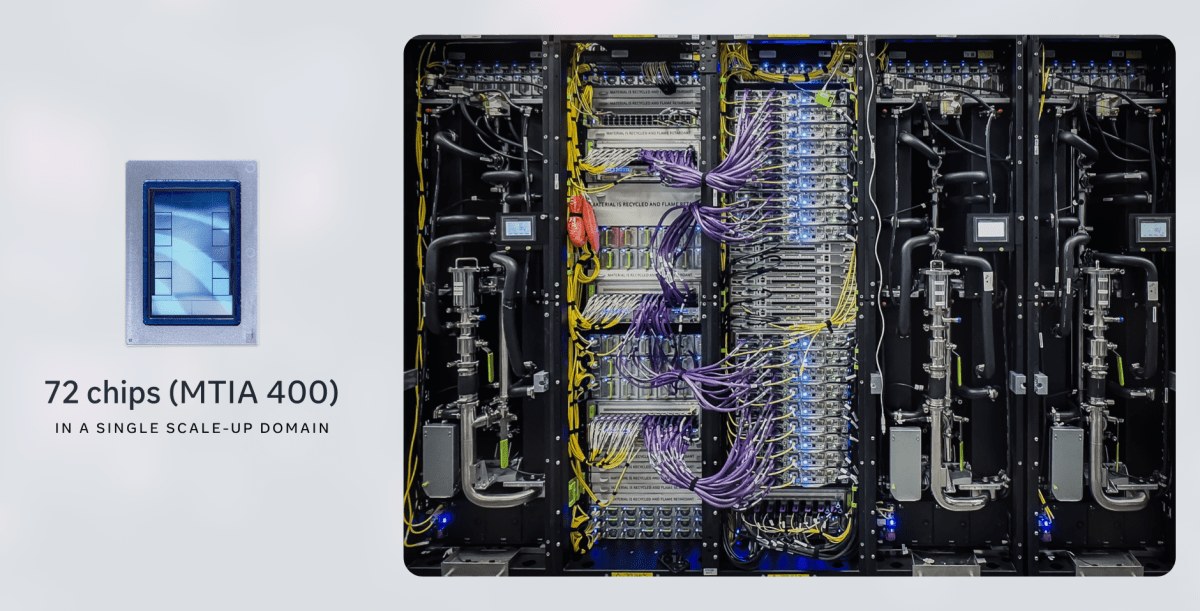
Mark Zuckerberg is no longer interested in writing blank checks to Jensen Huang. According to internal documents cited by Reuters, Meta is preparing to launch mass production of its next-generation in-house AI chips as early as September 2026. This is more than a cost-cutting exercise; it is a systematic pivot toward technological autarky. While the rest of the market waits in line for H100s, Meta is building a closed-loop production cycle, reframing the purchase of off-the-shelf solutions as an operational risk the tech giant can no longer afford.
A Strategic Divorce from NVIDIA
Meta’s capital expenditures this year are projected between $125 billion and $145 billion, with the lion's share bet on computing power. To fuel its Muse Spark series models, the company is creating a diversified supply chain to bypass the standard "diet" of pure GPUs. In this high-stakes game, the roles are clearly defined:
Broadcom handles architecture design; TSMC manages silicon fabrication; Samsung and Sandisk secure memory and storage supplies.
Direct contracts with Sumitomo Electric for fiber optics confirm the narrative: Zuckerberg is building a fortress shielded from component shortages.
Each generation of MTIA accelerators utilizes a modular chiplet architecture, integrating fresh insights from AI workloads into hardware at an unprecedented pace.
Meta Reality Labs’ six-week testing cycle for new chips isn't just engineering bravado—it is a benchmark of process maturity. While competitors wait months for shipments, Meta adapts its architecture to its own ranking and recommendation algorithms. This sends a clear signal to the market: the era of the general-purpose GPU as the sole standard for Big Tech is ending. Moving heavy inference tasks to proprietary silicon allows Meta to radically shift service margins by eliminating NVIDIA’s "versatility tax."
The End of One-Size-Fits-All
Meta is not alone in its quest to curb chipmakers' appetites. OpenAI is already designing an inference processor with Broadcom, Anthropic is eyeing Samsung’s capacity, and Amazon and Google have long-established silicon programs. We are witnessing the twilight of the one-size-fits-all era. Even if Meta continues to buy AMD Instinct GPUs and utilize Amazon’s processors, these are merely stopgaps to maintain its current 7-gigawatt infrastructure. The real battle is being fought in specialized hardware, where Total Cost of Ownership (TCO) dictates the rules.
However, Zuckerberg’s ambitions face a harsh reality: annual investments of $145 billion create an almost insurmountable barrier to ROI. The promise that custom hardware will liberate the company from the pricing dictates of chip giants currently looks like a prohibitively expensive experiment. Despite launching its own production lines, Meta must still sign multi-billion dollar contracts with competitors just to keep the lights on in its data centers. The road to full independence is proving significantly more expensive than optimistic analyst forecasts suggested.