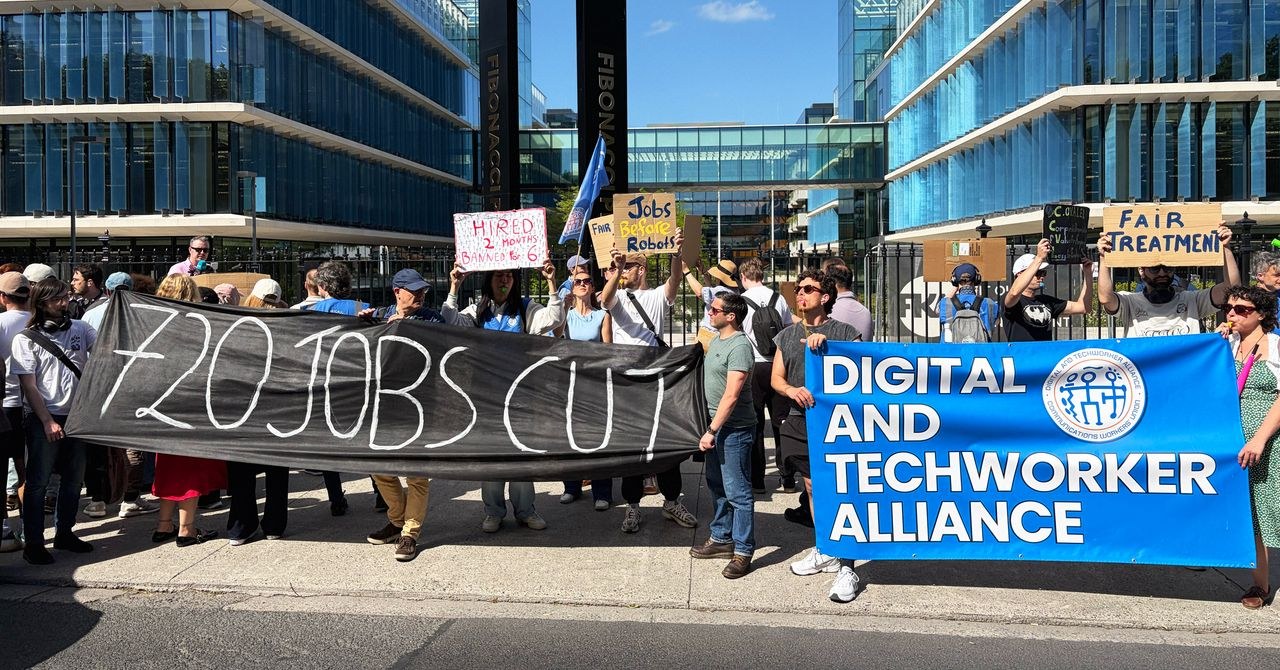
The era of mass manual data labeling is hitting a wall of automation and corporate pragmatism. In Dublin, 700 employees of Covalen—a key Meta contractor—have found themselves out of a job. The reason is simple: the tech giant is scaling back its reliance on external vendors, betting instead on internal algorithms. These individuals spent years "training" neural networks, only to be dismissed as obsolete without any severance pay. According to the Communication Workers Union (CWU), most of the affected staff have less than two years of service, allowing the company to bypass statutory redundancy payments under Irish law. Those with longer tenures are receiving a mere two weeks' pay per year of service.
Mark Zuckerberg's pivot toward efficiency has transformed the labor once considered the foundation of AI training into a disposable commodity. As Meta spokesperson Erica Sackin stated, the company is focused on strengthening internal systems. In business terms, this means moderators and data labelers have lost all leverage. Covalen team manager Aadel Obaid describes the situation more bluntly, saying people were thrown "crumbs from the table." Protests outside Meta's European headquarters vividly illustrate how the human resources used to build modern language models are being systematically cut from the budget.
This social fallout exposes a critical vulnerability in the entire data supply chain. The layoffs at Covalen send a clear signal to the market: demand for manual content moderation and annotation is plummeting, giving way to synthetic data and automated filtering. Meanwhile, Meta is distancing itself from the fallout, claiming that all personnel decisions are the vendor's responsibility. The situation is further aggravated by a "cooling-off period": under the contract terms, terminated specialists are barred from taking other positions within Meta projects for six months. These workers are effectively being locked out of the industry they helped build.
Key Takeaways
Meta is phasing out external data labeling contractors in favor of internal automation. Approximately 700 Covalen employees lost their jobs with minimal compensation due to legal loopholes. A six-month non-compete clause prevents terminated staff from moving to other Meta ecosystem projects. The shift toward synthetic data is diminishing the value of manual labor in neural network training.
"People were thrown crumbs from the table. Those who taught AI to distinguish harmful content from the norm have suddenly become 'surplus' in the corporate budget."
If an army of trained specialists is suddenly scrapped, the industry must prepare for serious operational risks. The mass exodus of annotation experts will likely have lasting impacts on data quality and the social stability of the entire AI outsourcing ecosystem.