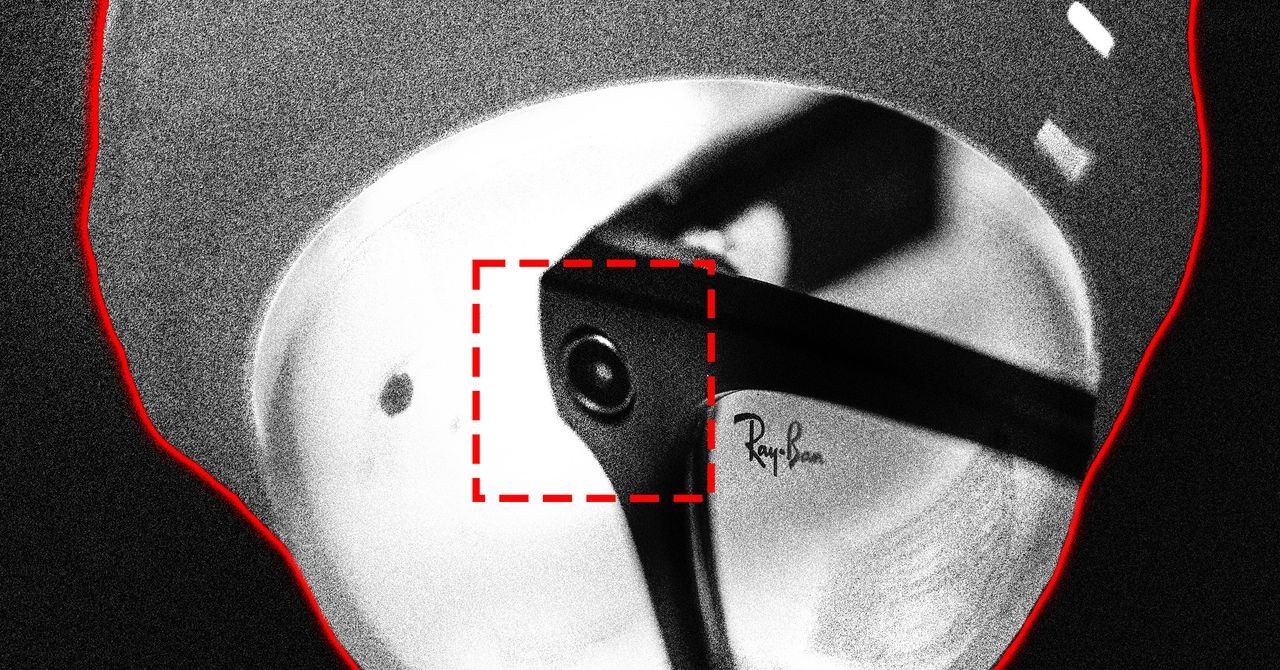
Meta is systematically blurring the line between consumer electronics and total surveillance tools. While Mark Zuckerberg markets Ray-Ban and Oakley smart glasses as stylish AI-powered accessories, far more specialized mechanisms are hidden under the hood. A licensing agreement obtained by WIRED confirms the integration of software from Rank One Computing—a Denver-based firm that derives 80% of its revenue from contracts with the US government and intelligence agencies. This pivot from "digital assistants" to biometric identification suggests that Meta is building infrastructure primed for the security systems market.
The Architecture of Total Identification
Meta’s technical ambitions clearly extend beyond simple photo tagging. The founders of Rank One Computing are research institute veterans who developed facial recognition systems for the US Marshals Service and Navy forensics. According to government contracts, the company created algorithms for US Special Operations Command (SOCOM) capable of identifying individuals from up to a kilometer away. By embedding these capabilities into the Meta AI app—already downloaded over 50 million times—the corporation is effectively field-testing police-grade technology on the mass market.
The Rank One license grants Meta access not only to facial recognition but also to "liveness detection," which distinguishes a real person from a mask or a photograph. Although Meta rushed to scrub the code on June 5 after internal systems like NameTag were exposed, traces of the integration remain dormant in the software of millions of users.
This is a textbook example of how privacy boundaries are redrawn at the code level long before the public is ever invited to the discussion.
Strategic Risks and the Regulatory Minefield
Choosing a vendor specialized in state surveillance is a bet on industrial-grade reliability, but for a consumer brand like Ray-Ban, such a connection becomes a toxic asset. Instead of a fashion statement, users risk wearing the badge of a decentralized police agent. The blatant use of software affiliated with law enforcement will inevitably trigger aggressive regulation. While US federal laws in this area remain vague, the arrival of biometric scanners in every other pair of frames will force regulators to act.
Meta’s real strategy is to position itself as the exclusive operator of biometric data. The company is betting that utilitarian convenience—the ability to instantly know everything about the person standing in front of you—will eventually outweigh the instinctive discomfort of constant surveillance. By the time society is ready for an ethical debate on kilometer-range facial recognition, the hardware will already be on millions of faces, turning the privacy issue into a fait accompli.