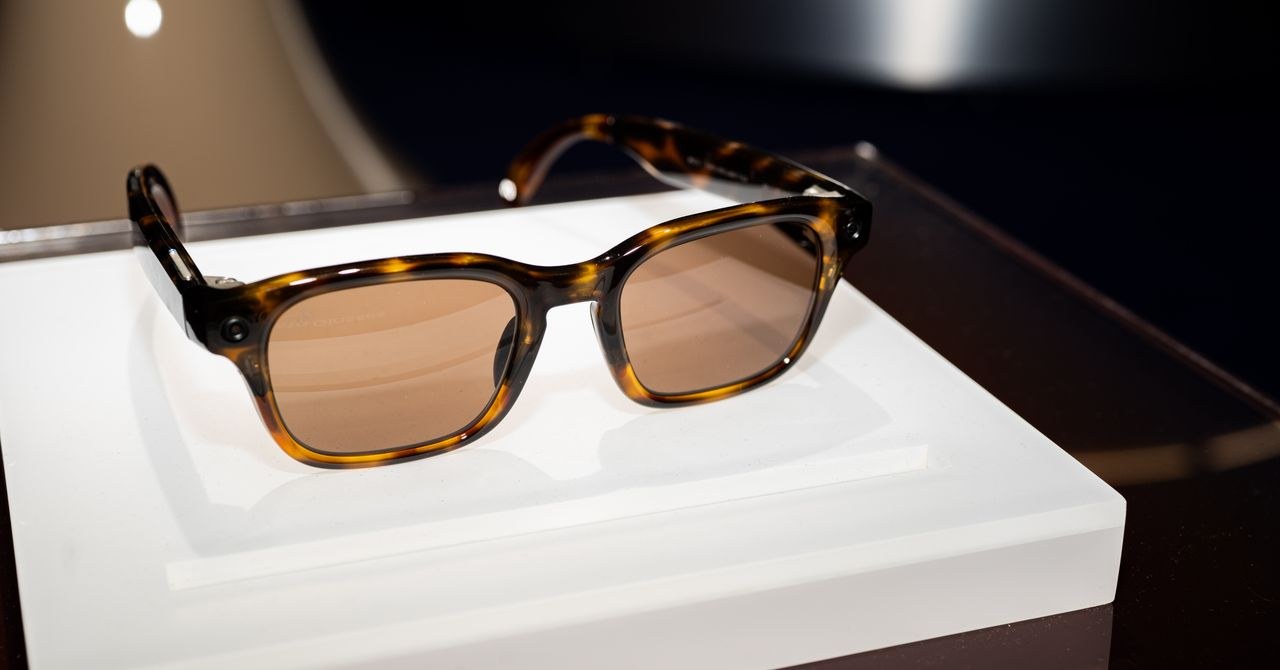
Mark Zuckerberg is finally bidding farewell to the illusion that buying a gadget grants you the right to use it. Meta is shifting the unit economics of its wearables from one-off sales to a subscription-based toll model. According to official Meta support documentation, the company is introducing the Meta One Premium Plan for Ray-Ban and Oakley smart glasses. The primary target for monetization is the 'Conversation Focus' feature, designed to isolate a speaker's voice in noisy crowds.
The irony here is that this function operates locally on the device without taxing Meta’s servers. Nevertheless, users have been graciously granted a mere three hours of free usage per month. Want to hear your companion for up to 15 hours? You’ll need to head to the checkout for a subscription that, for appearances, also bundles 'priority expert support.' In our view, this is a textbook example of creating artificial scarcity where none exists.
The Economics of Artificial Restrictions
The economic logic is straightforward: this isn't about cost recovery, but pure value extraction. As Chris Harrison of the Future Interfaces Group at Carnegie Mellon University notes, advancements in chip efficiency mean companies can no longer justify such limitations by citing computational costs.
Meta representatives, in comments to WIRED, predictably claim this isn't about 'AI limits' but rather a way to support ongoing development.
In corporate-speak, this means you are purchasing an 'empty box,' while the product’s true value is now controlled by a subscription valve.
Key Business Takeaways
For the business community, this precedent is a wake-up call. Meta isn't just selling hardware; it is testing the market's willingness to pay a 'functionality tax' on items already purchased. If this strategy succeeds, Hardware-as-a-Service will officially transform electronics ownership into a perpetual lease of basic capabilities.
Meta is introducing paid subscriptions for features that function without cloud computing. Free access to core glasses features is restricted to just 3 hours per month. The electronics ownership model is shifting toward long-term functional leasing.
The only remaining question is whether consumers are willing to buy premium eyewear knowing they must pay a monthly fee for the device to remain fully operational for its entire lifespan.