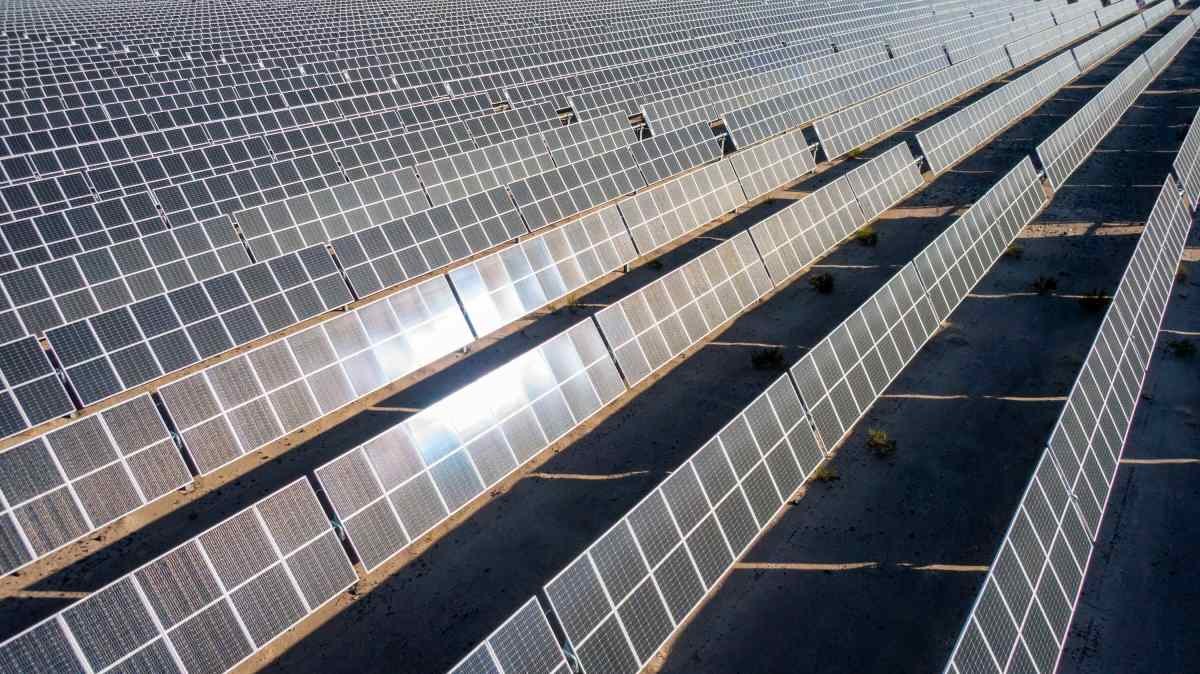
Mark Zuckerberg seems to have realized that the race for superintelligence won't be won by the most sophisticated algorithm, but by whoever has the most power coming out of the wall. This week, Meta finalized three major deals to contract 1 GW of solar energy across Texas and Louisiana, bringing its total procurement this year to over 3 GW. While competitors talk vaguely about "green energy," Meta is pivoting toward hard pragmatism: solar generation is the fastest and cheapest way to scale compute capacity without waiting for sluggish state grids to keep up with the appetites of large language models.
The company’s strategy looks less like a standard utility agreement and more like a transformation from a consumer into a shadow infrastructure developer. In Texas, 600 MW will feed directly into the grid to offset data center consumption, while in Louisiana, Meta is snapping up Environmental Attribute Certificates (EACs). This is a textbook example of risk hedging. Proprietary energy generation is becoming a critical asset, as vital as scarce Nvidia chips or top-tier engineering talent. Without their own "energy plants," AI businesses will eventually hit a physical ceiling that will restrict growth more effectively than any regulator.
However, a significant nuance hides behind the polished carbon neutrality reports. The use of EACs is facing increasing scrutiny: when solar power is already cheaper than fossil fuels, subsidizing through paper assets looks more like an accounting trick than a real environmental contribution. Critics rightly point out that mass-buying certificates can mask the actual strain placed on aging electrical grids.
For the broader business community, the signal is clear: the era of cheap, accessible cloud computing ends where generative AI demands begin. As Meta races to bring these solar fields online by 2027, the rest of the market should brace for a capacity crunch. If you don't control the power source for your servers, your scale is merely a temporary illusion dependent on someone else's switch.