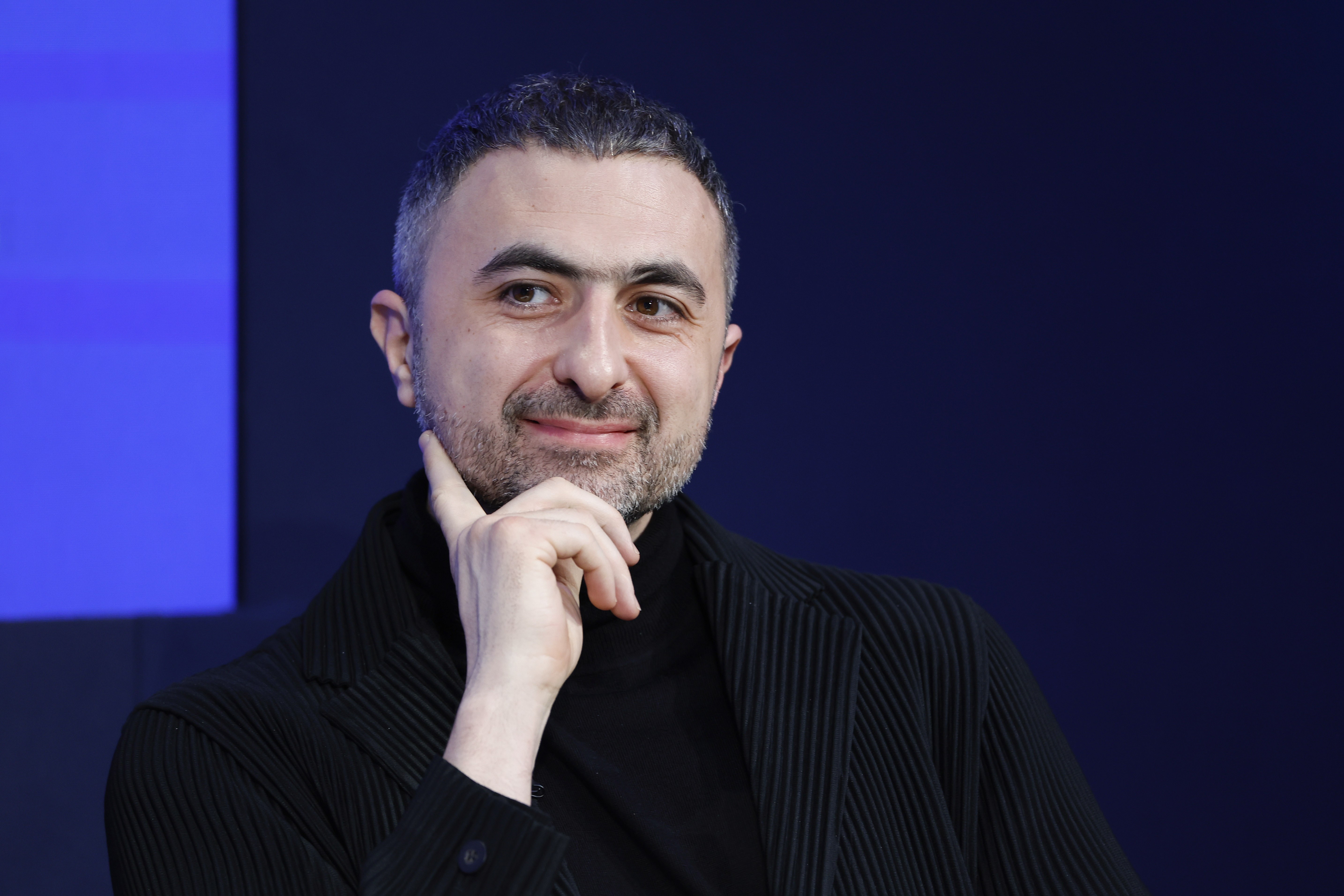
Mustafa Suleyman, head of Microsoft AI, is redirecting the company's artificial intelligence efforts from abstract Artificial General Intelligence (AGI) towards what he terms 'superintelligence.' This strategic pivot, nearly a year in the making, aims to deliver tangible productivity gains to business clients. 'We want to work for developers, enterprises, and a multitude of consumers,' Suleyman stated, emphasizing that this is where the real value lies for Microsoft's multi-million strong customer base.
A key catalyst for this shift appears to be a reassessment of Microsoft's partnership with OpenAI. According to Suleyman, this collaboration forms the literal foundation upon which Microsoft intends to build its ambitions in advanced AI models. A recent reorganization that consolidated corporate and consumer AI teams under the Copilot AI umbrella has also freed Suleyman to concentrate on this new strategy amidst intense competition.
Microsoft is placing a significant bet on concrete business value, exemplified by their new transcription model, MAI-Transcribe-1. This model can recognize speech in 25 languages and handle difficult background noise. Crucially for operational costs, it requires half the GPU resources compared to competing solutions. Such efficiency directly impacts how Microsoft plans to monetize its AI offerings in the enterprise segment.
This move signals a clear departure from purely research-driven initiatives towards pragmatic AI monetization, specifically targeting large businesses. It is not merely a shift in priorities but a decisive message to competitors and potential clients alike: demonstrable performance, rather than ephemeral promises, is now the primary differentiator in the AI landscape.