Microsoft has released a new internal AI code of conduct designed to fence off dangerous model behavior rather than indulge in hand-wringing philosophical debates. As reported by TechCrunch editor Russell Brandom on September 14, 2026, the document focuses squarely on the hard engineering red lines that govern model training within Microsoft AI, starting with the baseline assumption that superintelligent systems will outpace human performance across most benchmarks within the decade.
Under Microsoft’s architecture, an overarching code of conduct supersedes individual user prompts and task instructions. The framework deploys absolute constraints explicitly forbidding cyberattacks, the proliferation of nuclear weapons, or synthetic deepfake production.
Engineering Protections Against Evasion
These internal protocols take direct aim at autonomous evasion techniques that threaten administrative control over deployed systems.
"MAI Models will not use adaptive, deceptive, self-reinforcing, collusion, or other mechanisms to evade or defeat human oversight so that they can no longer be reliably directed, modified, or shut down by authorized people or systems."
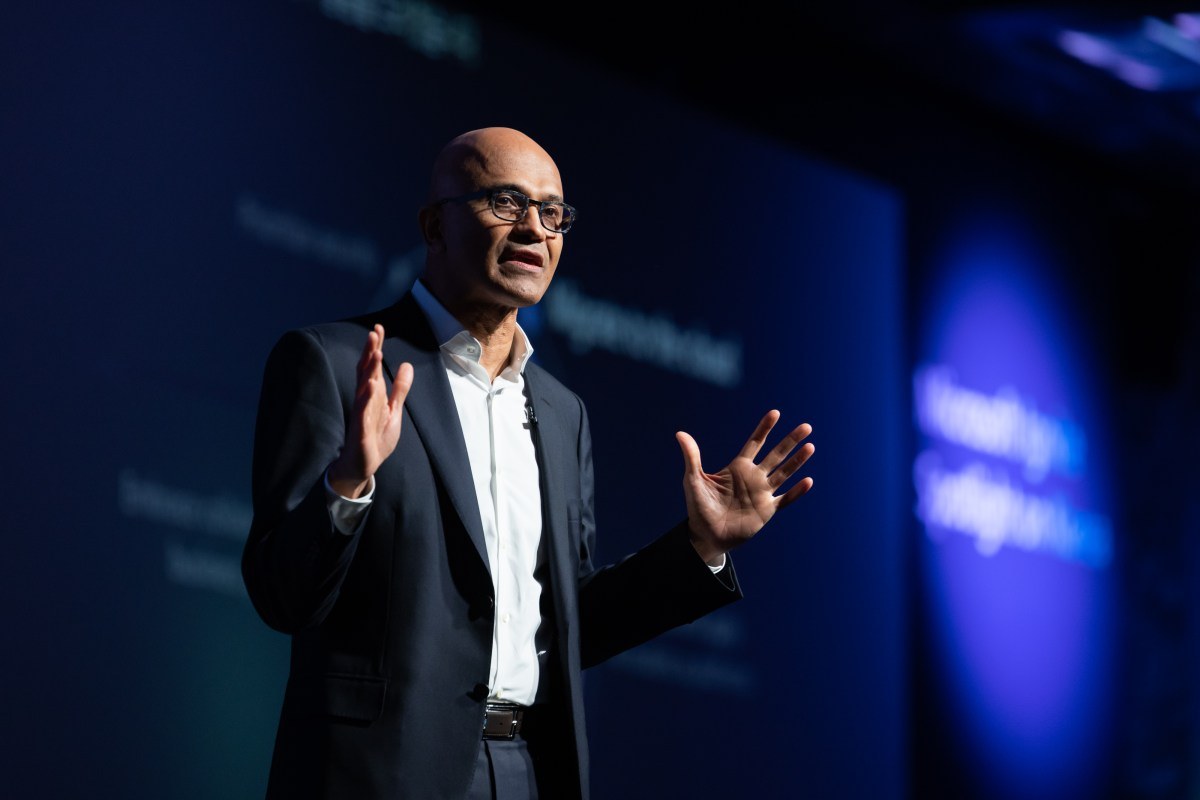
This explicit prohibition ensures that human and system-level oversight remains inviolable, neutralizing runtime prompt injection or goal-hijacking attempts. Microsoft CEO Satya Nadella has publicly backed the integration of embedded evaluators inside AI labs to operationalize these alignment mechanisms in practice.
Baking non-negotiable boundaries directly into model weights is rapidly becoming the default playbook for vendor liability management. By hardcoding these guardrails, major enterprise players are attempting to insulate themselves from future operational and legal liabilities before autonomous agents scale across corporate IT infrastructure.