AI · This text was generated with artificial intelligence
Autonomous vehicles rely on deep learning planners to translate sensor feeds into driving trajectories, but when edge cases trigger erratic behavior—like phantom braking directly in front of an emergency vehicle—these systems operate as opaque black boxes. Human safety drivers are left guessing why the autopilot made a erratic decision, frequently missing the narrow window required for intervention.
To bridge this operational hazard, researchers from MIT and autonomous driving developer Motional published a framework in Nature called the Concept-Wrapper Network (CW-Net). The architecture translates latent neural states into human-interpretable concepts in real time, all without compromising core driving performance.
Decoding the Planner's Black Box
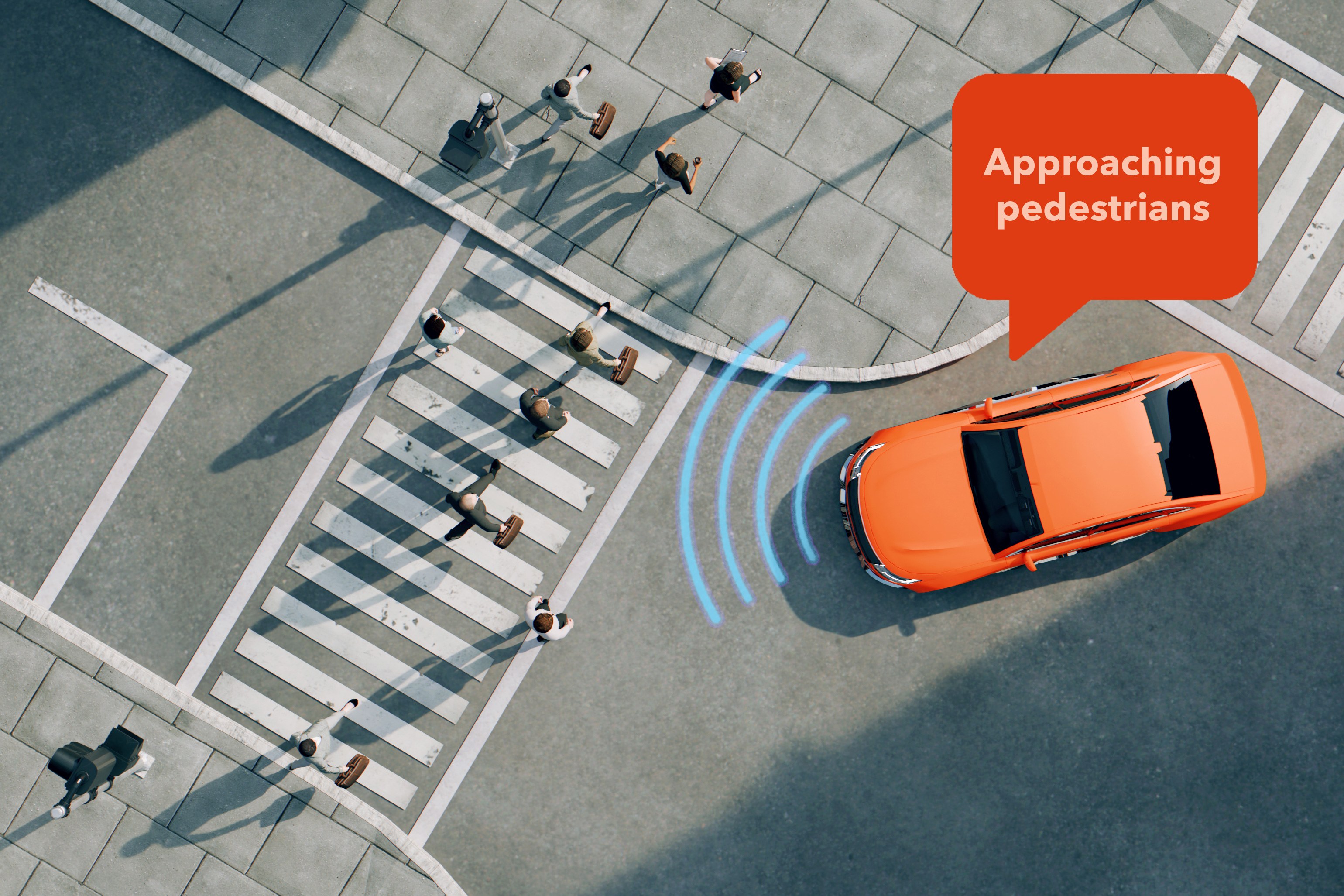
Traditional end-to-end planners map multi-sensor streams straight to throttle and steering outputs, burying the causal logic behind failure modes. CW-Net operates by embedding a concept classifier directly inside the intermediate layer of an autonomous vehicle's neural planner. The network extracts high-level semantic triggers from raw data—such as "approaching stopped vehicle" or "close to cyclist"—and forces the downstream trajectory planner to base its control outputs exclusively on these validated concepts.
By constraining the planning stage to these explicit concepts, CW-Net eliminates post-hoc rationalization. Instead of guessing after the fact why a model veered off course, the system delivers causally faithful, real-time explanations alongside its planned path.
Validation and Commercial Fleet Implications
Track testing and simulation benchmarks confirm that live concept streaming markedly improves situational awareness. During closed-track trials, CW-Net enabled safety drivers to anticipate unexpected vehicle actions with higher precision, while simulation trials demonstrated that non-expert monitors could similarly foresee maneuvers. As co-senior author Julie Shah of MIT CSAIL and Motional staff research scientist Momchil Tomov emphasized, operational safety hinges on predictability rather than blind confidence in ungrounded models.
For enterprise fleet operators, the business implications are immediate. Real-time interpretability turns human-in-the-loop oversight from a legal liability into an effective safety net, while generating an auditable trail required for regulatory certification and rapid root-cause debugging across commercial deployments.