AI · This text was generated with artificial intelligence
Hidden algorithms of deregulation
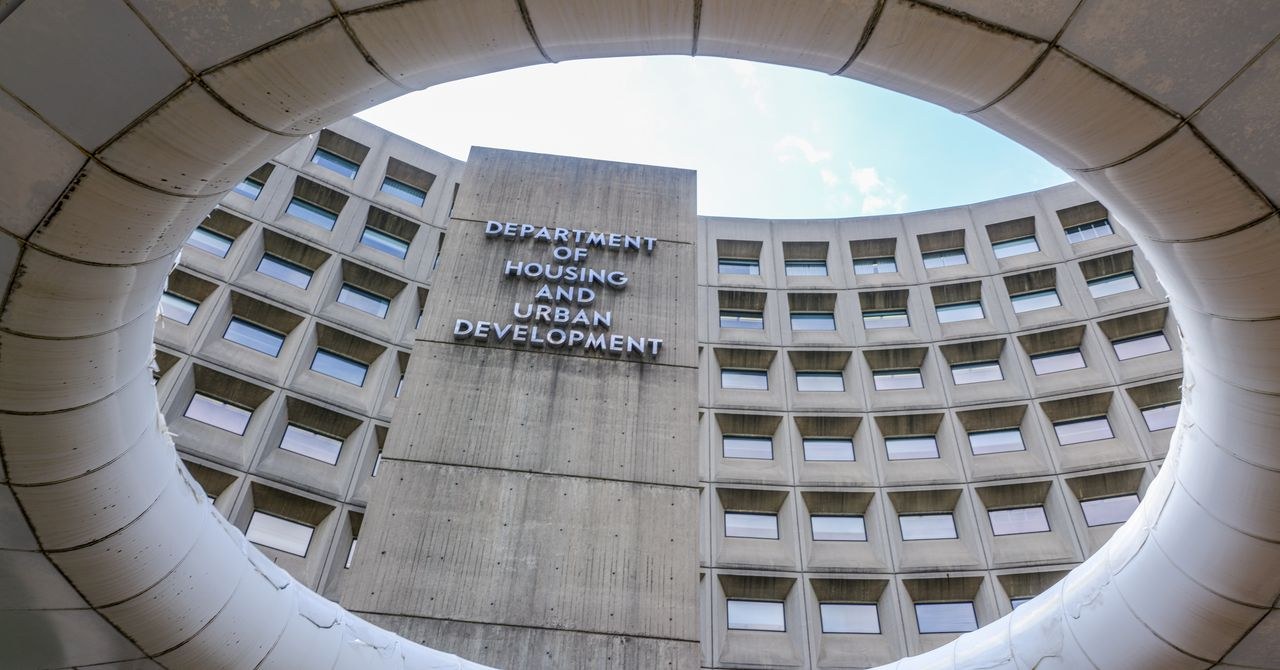
The Department of Government Efficiency (DOGE), led by Elon Musk and Vivek Ramaswamy, has launched a massive "optimization" of U.S. housing policy. Artificial intelligence has been selected as the primary tool for this overhaul, yet the logic behind these systems remains entirely shielded from public view. According to the nonprofit Democracy Forward, the Department of Housing and Urban Development (HUD) has blocked over a hundred document requests under the Freedom of Information Act (FOIA). Officials are citing questionable legal theories like "AI privilege" and the protection of the deliberative process. In practice, this means the agency refuses to disclose why specific algorithms are slashing social programs.
We are witnessing a dangerous precedent: AI is being used not as an assistant, but as a shield to hide unpopular decisions and evade accountability for errors.
Students and prompts vs. bureaucracy
The architects of this automated system come from unconventional backgrounds. Key figures include Scott Langmak, a veteran of the proptech startup Kukun, and Christopher Sweet, a third-year student at the University of Chicago. According to HUD employees cited by WIRED, Sweet—still a student—was tasked with setting AI models loose on internal regulations to identify rules for repeal or contracts for termination. Langmak now oversees "AI deregulation" at the Office of Management and Budget (OMB). Internal file names like "GPT defined Econ Analysis" suggest that the future of the American housing market is now being dictated by system prompts.
Main risks of the "black box":
Decision-making occurs without the possibility of an external audit. Models face high risks of hallucinations and bias when allocating social resources. Lack of transparency regarding taxpayer funds during automated contract terminations. National strategy is being formed based on data of questionable quality.
The core issue is not automation itself, but the fact that critical decisions are being made within a closed system. As Tori Noble of the Electronic Frontier Foundation points out, model errors in such sensitive areas are not merely technical bugs; they are direct social threats. If government administration is reduced to the output of a GPT model, the very concept of government accountability in Washington may officially be a thing of the past.