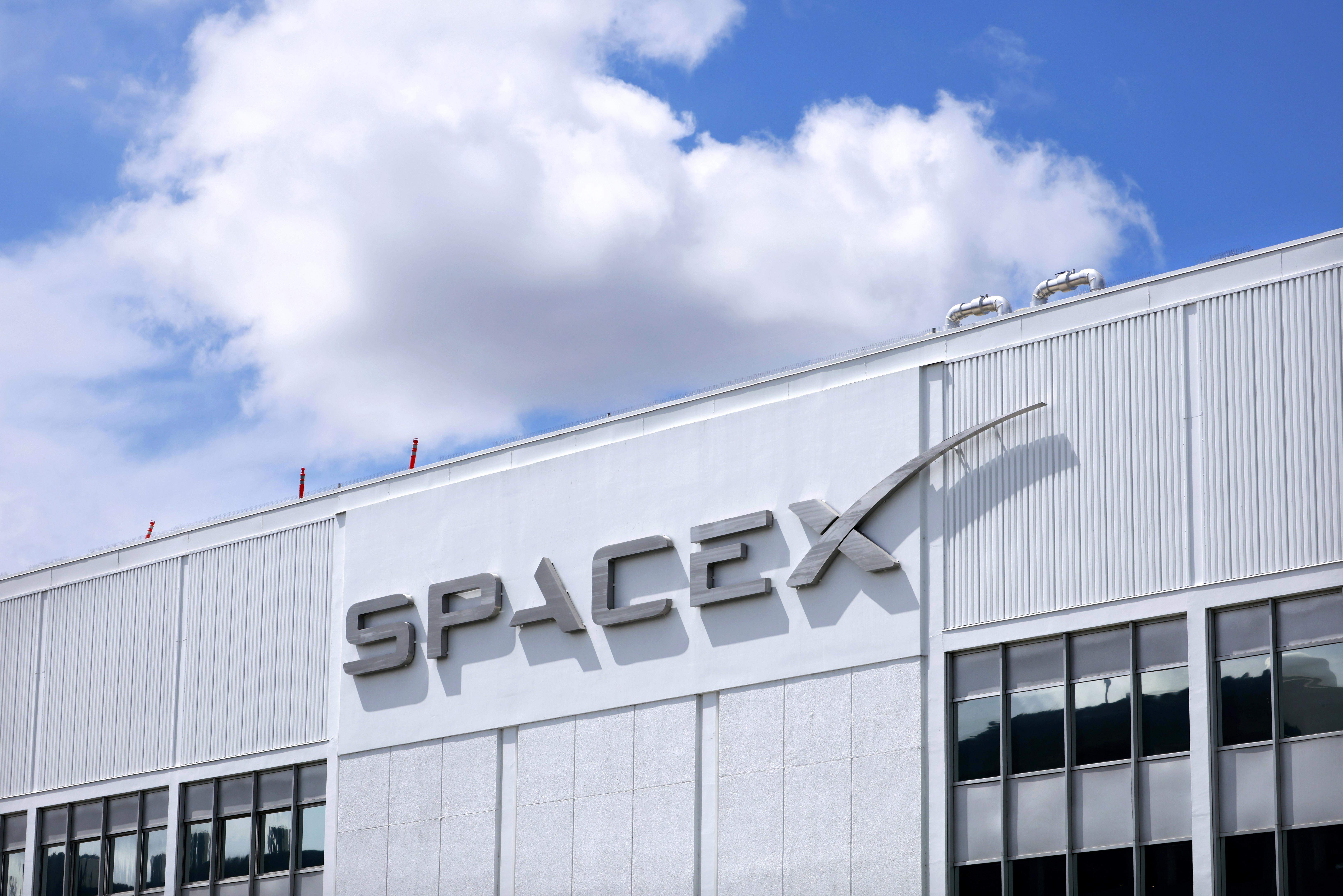
Elon Musk has finally grown tired of waiting in line for NVIDIA’s H100 chips. He has decided it is more cost-effective—though the word carries a heavy dose of irony here—to build his own semiconductor empire. According to public hearing notices in Grimes County, Texas, SpaceX plans to invest a minimum of $55 billion into a facility dubbed 'Terafab.' Court documents cited by the New York Times and CNBC suggest that once all construction phases are complete, the project's price tag could skyrocket to $119 billion. To put that into perspective: that is the annual budget of a developed European nation, sacrificed on the altar of vertical integration. SpaceX is outgrowing its role as a space carrier, evolving into an infrastructure giant with the capital intensity of a sovereign wealth fund.
Terafab’s technical ambitions are already rattling traditional data center operators. In March, Musk announced a goal to produce chips capable of supporting 200 gigawatts of computing power annually on Earth. However, the true scale lies in orbit, where SpaceX is targeting one terawatt of total compute capacity. Rather than reinventing the wheel entirely on his own, Musk has brought Intel into the fold. Last month, Intel confirmed its involvement in designing and packaging these ultra-high-performance chips. This alliance looks like a strategic gamble for Intel—a chance to catch the AI train by using Musk’s ambitions as a proving ground for its manufacturing capabilities.
The Terafab plant will serve as a unified production hub for both SpaceX and Tesla, covering hardware needs for everything from robotics to orbital data centers. Musk is systematically cutting middlemen out of his supply chain: from rockets and satellites down to the very silicon that runs his algorithms. This moves complements his existing terrestrial footprint, including the Colossus data center in Memphis, which is slated to train Anthropic’s models. Total control over the 'chip-rocket-satellite' stack gives Musk a unique edge in edge computing, particularly in regions where terrestrial infrastructure is nonexistent.
Despite the cosmic rhetoric about the future of humanity, the project's current reality remains grounded in pragmatism. SpaceX is currently lobbying Grimes County officials for tax incentives, framing them as a prerequisite for breaking ground. The success of this $119 billion venture hinges on whether Intel can actually deliver the process technology required for such massive volumes. Musk is promising investors a future powered by a terawatt of orbital intelligence, but for now, it remains an incredibly expensive construction site in Texas that started with a request for municipal tax breaks. If it succeeds, the semiconductor market faces a tectonic shift: one of the world's largest chip consumers will become its most formidable producer, locking vendors like NVIDIA out of a massive, closed ecosystem.