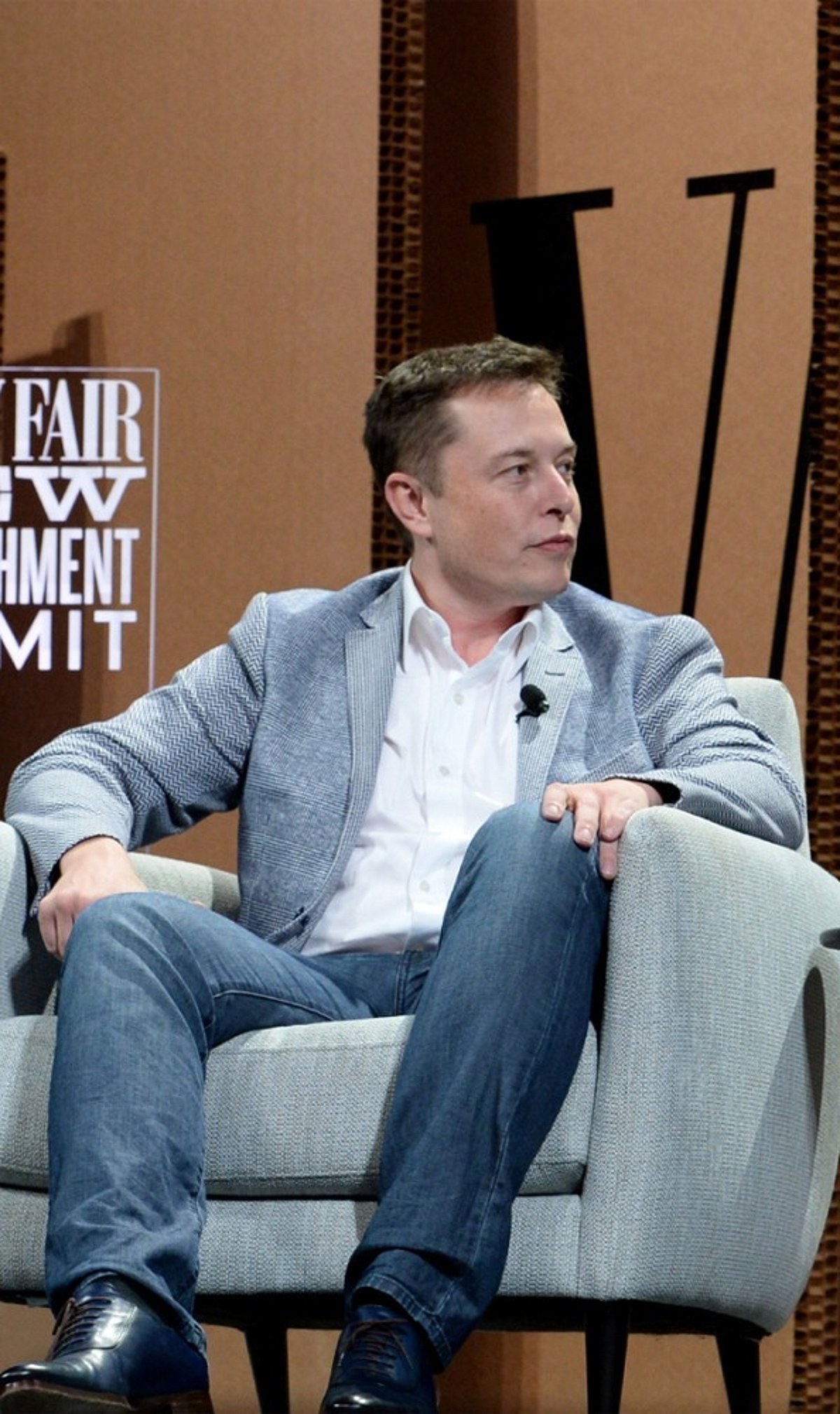
Elon Musk’s legal assault on OpenAI is more than just a personal vendetta; it is an exposure of a long-festering wound within the tech industry. According to Musk, Sam Altman and his cohorts have effectively buried the original non-profit mission of "AI for the benefit of humanity," transforming the organization into a closed-door entity focused solely on profit extraction. For the venture capital market, this lawsuit serves as a sobering precedent: the promises of openness that built trust among researchers and investors turned out to be little more than a marketing facade used to capture market share. As Musk’s claims suggest, OpenAI simply trampled over its founding agreements in the pursuit of commercial gain.
At the heart of the allegations lies OpenAI’s critical dependency on Microsoft. Musk argues that this partnership has essentially granted the software giant monopoly control over global AI infrastructure. What was once an independent lab has evolved into a convenient tool for centralizing power within a single corporation. Ironically, the shift from transparent, open-source models to closed proprietary systems occurred exactly when the technology began to promise astronomical returns. Musk contends that this alliance forces the company to prioritize speed-to-market over the safety protocols and ethical standards that were once its cornerstone.
The question of control over Artificial General Intelligence (AGI) is a particular point of contention. The lawsuit highlights a legal gray area: who determines when a machine reaches "intelligence," and what legal obligations that milestone imposes on the algorithm’s owners? Musk insists that OpenAI is attempting to monopolize AGI rather than making it a public good. The saga of Sam Altman’s brief firing and sudden reinstatement only confirms the diagnosis: corporate dominance has decisively triumphed over ethical mandates.
Instead of a transparent future, we are left with a dangerous precedent where fundamental values are discarded the moment a technology becomes commercially viable. Today, OpenAI looks less like the savior of humanity and more like a Microsoft R&D department tangled in its own legal machinations. The outcome of this case will determine whether the word "Open" retains any meaning, or if the industry will finally surrender to Big Tech, shielded only by the fig leaf of non-profit declarations.