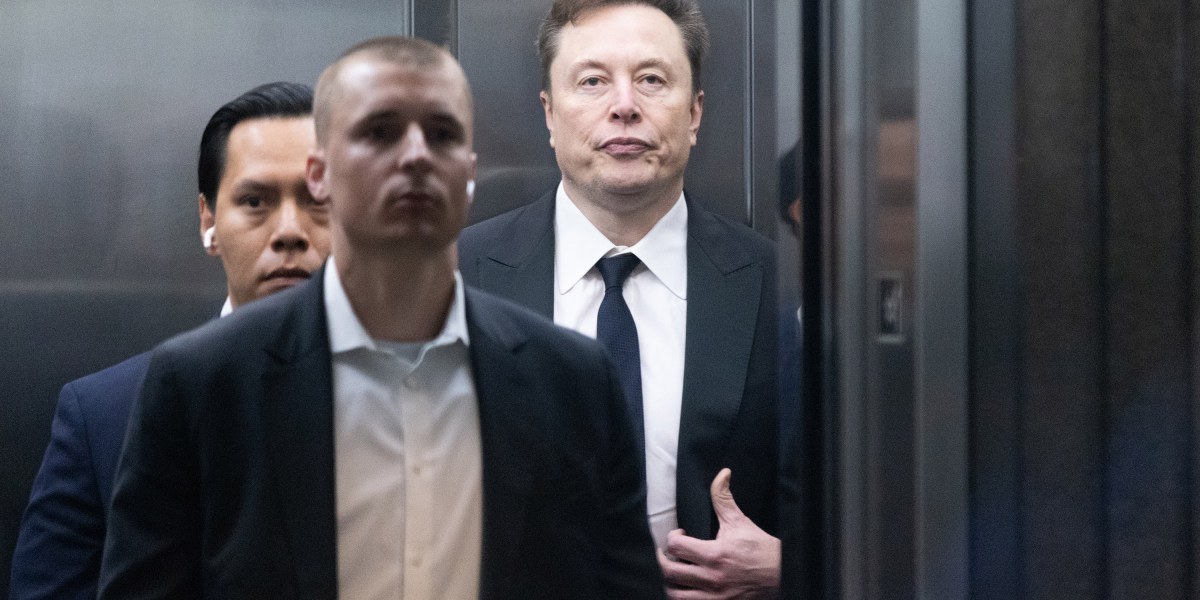
The legal battle between Elon Musk and Sam Altman has entered a phase of aggressive historical revisionism, with the legitimacy of OpenAI’s entire corporate structure hanging in the balance. According to MIT Technology Review’s Michelle Kim, Musk’s strategy centers on the claim that he was defrauded. The Tesla and SpaceX founder insists that OpenAI deceptively pivoted from a noble non-profit project into a closed, for-profit entity. New revelations regarding the company’s management practices are now casting doubt on the transparency of agreements long considered settled.
For the business world—particularly for legal departments and CTOs—this dispute is more than just a clash of massive egos. If the court finds OpenAI’s transformation unlawful, every current commercial contract could be at risk. The licensing integrity of the closed models your company relies on may be called into question. In a worst-case scenario, this could lead to a wholesale reassessment of intellectual property rights and the nullification of data protection obligations. It is a situation comparable to discovering that the foundation of the office building you lease was built without a permit.
While the court debates the lofty ideals of 'openness,' the private sector has already traded its principles for defense contracts. Reports from the New York Times and MIT Technology Review indicate that the Pentagon is securing private deals with Microsoft, Nvidia, AWS, and Reflection AI for national security purposes. As the U.S. military transforms into an 'AI-oriented' system, discussions about democratizing technology seem increasingly outdated. The industry has effectively split: while the founders argue over the principles of the past, tech giants are training models on classified government data, cementing an era of militarized AI hidden behind a 'top secret' curtain.