The AI outsourcing market presents not just opportunities, but significant risks. With nearly every CEO aiming to integrate AI and countless startups promising revolutionary solutions, the landscape is ripe for both genuine innovation and outright deception. Talented engineers are in demand, but so are fraudsters offering nothing but empty promises. The core challenge lies in the ease with which AI expertise can be claimed, contrasted with the difficulty of verifying it. This difficulty in assessing outcomes and the lack of standardized performance metrics create a fertile ground for those who mimic progress rather than deliver actual code.
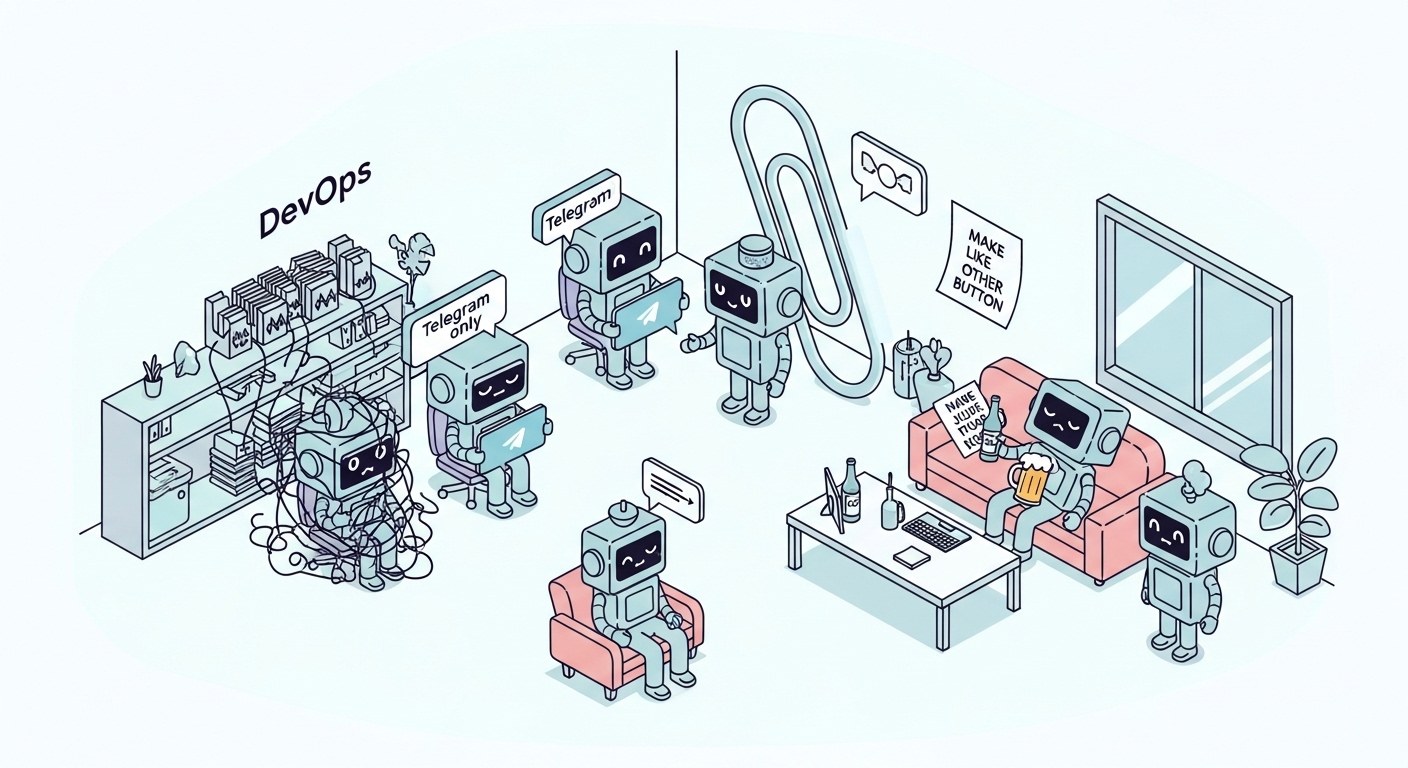
The open-source project Paperclip, which garnered 24,000 GitHub stars in just 12 days, serves as a potent illustration. Behind ambitious claims of 'organizational structure as code' or 'atomic-level budgeting,' there can be a complete absence of genuine capability. One such 'contractor,' hired to enhance functionality with a couple of API endpoints, failed to produce any tangible results. A team, described as consisting of eight members, proved incapable of real work, spending two days on superficial activities instead of addressing the task. The outcome was not merely a lost workday, but a waste of time and, consequently, lost potential profits.
As open-source AI solutions like Paperclip gain popularity, so does the number of contractors who leverage them as a facade. These entities may simulate development by quickly assembling pre-existing components, without truly understanding how these systems will integrate with a client's specific business processes. Standard IT outsourcing approaches are insufficient here. CEOs must recognize that hiring AI specialists demands no less, and often more, oversight than traditional IT outsourcing. This is not simply another IT project.
For you, this means ensuring your outsourced AI projects deliver tangible benefits, rather than becoming an expensive imitation. Before signing any contract, conduct thorough due diligence. Beyond presentations, request detailed technical interviews with the key personnel involved. Verify their past projects and portfolios, and consider assigning a small, paid test task. Establishing clear key performance indicators, demanding transparency in development processes, and critically, implementing phased payments tied to specific, verifiable deliverables, are now essential. Failure to do so risks paying for perceived activity rather than actual, valuable outcomes.