AI · This text was generated with artificial intelligence
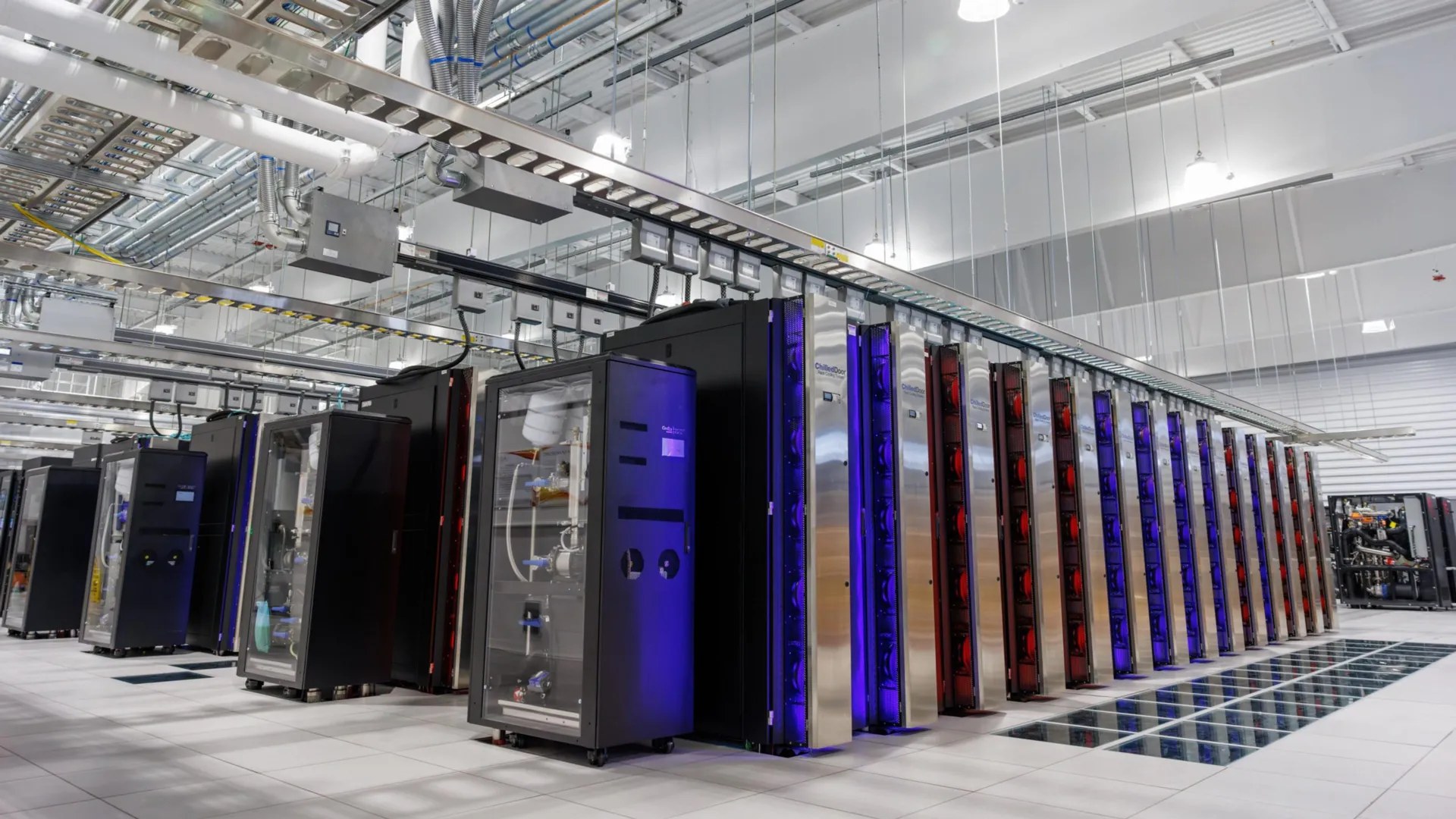
The current trajectory of AI development has hit a physical dead end. According to the International Energy Agency, data centers consumed approximately 415 terawatt-hours in 2024—representing over 10% of total U.S. electricity generation. By 2030, the industry's appetite is projected to double, turning the "scale parameters and burn megawatts" strategy into financial and ecological suicide. The ceiling for growth is no longer dictated by algorithmic elegance, but by the capacity of power grids. This creates a perfect window of opportunity for architectures that prioritize logic over statistical brute force.
The Efficiency of Symbolic Reasoning
A team of engineers at Tufts University, led by Professor Matthias Scheutz, has introduced neurosymbolic AI that challenges the necessity of hardware dominance. Unlike standard Large Language Models (LLMs) that mechanically predict the next token based on colossal datasets, this hybrid merges neural networks with symbolic computing. The system mimics human problem-solving by breaking processes into discrete steps and abstract categories: shape, weight, and balance. Where traditional AI runs millions of iterations, the neurosymbolic approach simply applies a logical rule. Research presented at the ICRA conference in Vienna proves that logic allows complex manipulations to be performed significantly faster than "data-centric" counterparts.
This architectural maneuver strikes at the weakest point of Vision-Language-Action (VLA) models in robotics. Conventional VLAs perceive the world through the lens of statistical probability, where a stray shadow can be misinterpreted as a physical object—leading to catastrophe during assembly. Symbolic reasoning acts as a "fail-safe," imposing a rigid grid of abstract rules onto the chaos of pixels.
Decoupling: Unplugging Intelligence from the Socket
The primary takeaway for the industry is that the cost of a "unit of intelligence" is plummeting. Tests at Tufts demonstrated that neurosymbolic models reduce power consumption by 100x while simultaneously increasing accuracy. This is no longer a matter of code aesthetics; it is an economic necessity. Cutting the carbon and financial footprint of inference by a hundredfold paves the way for sophisticated AI on edge devices.
Instead of maintaining constant links to cloud farms that overstrain power grids, robots will be able to process visual data and plan movements autonomously. Scheutz’s methodology proves that efficiency does not require sacrificing precision. On the contrary, integrating human logic shields systems from the hallucinations and physical errors typical of LLMs.
Current limitations of the neurosymbolic approach involve its narrow scope: rules work perfectly in structured environments, but tech giants have yet to figure out how to scale this logic to the "messy," unstructured data of the real world. Nevertheless, for business, this is a signal to shift strategy from hardware priority to architectural priority. The era of solving every problem by purchasing new batches of NVIDIA GPUs is ending—the power grid simply won't survive another "unprecedented" launch.