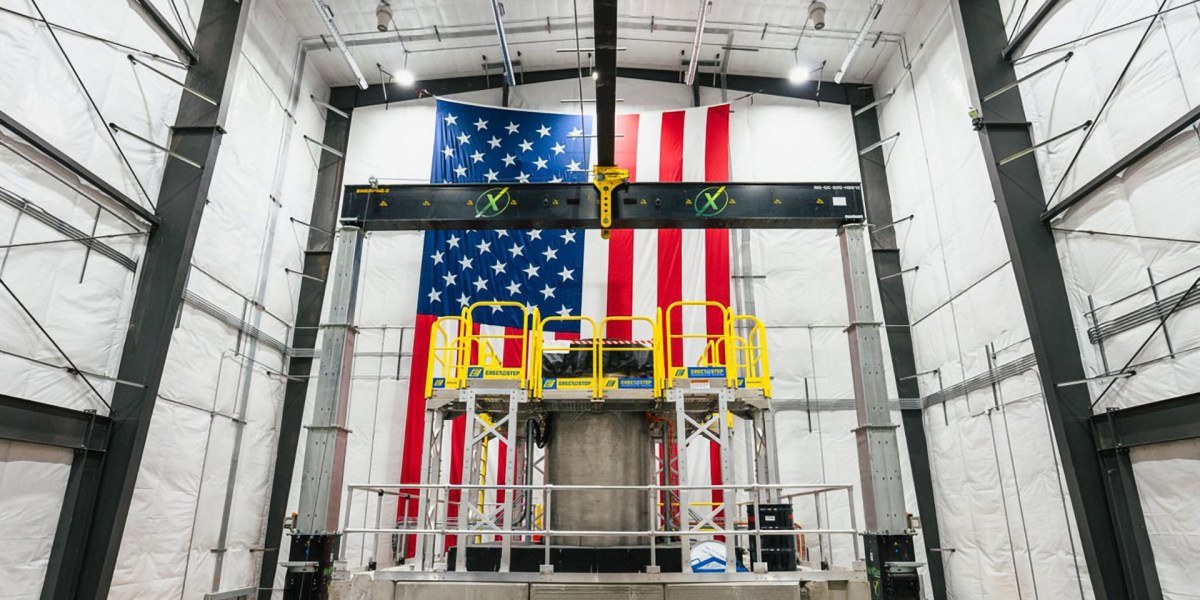
The race for gigawatts in the U.S. has passed a major symbolic milestone. As reported by Casey Crownhart, four nuclear microreactors have simultaneously achieved criticality—the technical point where a steady, self-sustaining chain reaction begins. Formally, this puts the project ahead of the schedule established during the Trump administration, which aimed to have three such units operational by the country's 250th anniversary. However, behind the facade of technological triumph lies a cold shift in priorities. Nuclear energy has officially moved beyond being a "green" line item for ESG reports; it has become a hard physical limit for survival.
Energy Autonomy as a Factor for Victory
Reading between the lines: this surge toward microreactors is not a gesture of goodwill, but a feverish search for stable baseload power. While chipmakers like IBM are turning to vertical integration to squeeze every last drop of performance out of transistors, the actual energy costs of training next-generation LLMs no longer fit through the bottleneck of existing power grids. Amid news that China is greenlighting Alibaba, ByteDance, and DeepSeek to procure Nvidia H200s, the battle for computing dominance is shifting toward the plane of energy autonomy.
The winner won't be the one with the most GPUs, but the one with their own "plug."
The Path from Lab to Industrial Scale
We were promised a technical breakthrough and proof of concept for chain reactions—we got four working units. But let's be realistic: this current victory contributes exactly zero watts to the actual grid or the power-hungry data centers waiting for them. Reaching criticality makes for a great headline for investors, but to provide the deterministic power supply needed for clusters capable of supporting GPT-5 level models and beyond, we still must travel the road from laboratory success to industrial scale.
Four microreactors reached criticality ahead of the original schedule. Next-generation LLM energy consumption requires the creation of independent power sources. Technological leadership is now directly dependent on owning energy infrastructure.