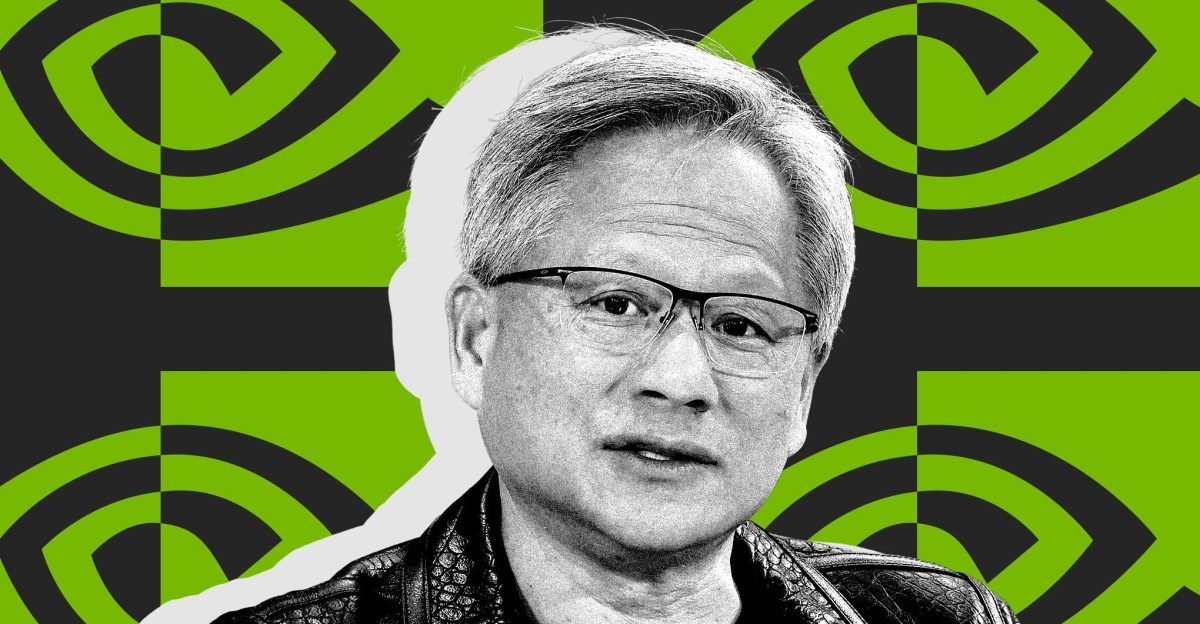
Global supply chain predictability and cross-border hardware allocations face direct regulatory risk as Nvidia opens an internal inquiry into its top executive. As The New York Times reported last month, Jensen Huang had developed a close relationship with the Megaspeed executive, Alice Huang, who was reportedly recruited by China’s Ministry of State Security to spy on the company. Now, a special committee of independent directors, assisted by outside independent counsel, will oversee an investigation into whether the chief executive became the target of a foreign intelligence effort.
This leadership probe threatens the stability of global AI processor distribution and risks a sharp tightening of export controls. The company's hardware represents critical infrastructure for enterprise computing, meaning any compliance fallout directly affects procurement timelines for enterprise technology leaders. At stake is whether Chinese intelligence gained access to company secrets or policy insights concerning AI regulation. What remains unconfirmed is whether proprietary data or deliberations reached Beijing.
The Executive Inquiry and Channel Scrutiny
Scrutiny escalated after corporate leadership formally acknowledged the personal nature of the connection. Jensen Huang admitted that his relationship with Alice Huang was romantic in nature in a memo to the company.
"Huang had developed a close relationship with the Megaspeed executive, which he later admitted was romantic in nature in a memo to the company."
US officials believe she was feeding information directly back to Beijing. The connection intersects directly with existing export enforcement because Megaspeed is a customer of Nvidia and is the subject of a Commerce Department investigation into whether it was smuggling AI chips to China. How does this customer relationship alter the regulatory exposure for compute buyers?
Export Controls and Access to Government
Federal enforcement dictates that the Commerce Department must approve individual firms to handle the chips. The company’s AI chips are viewed as crucial to maintaining technological supremacy, prompting both the Biden and Trump administrations to restrict their sale to China. On November 4, 2026, Nvidia restricted Chinese AI access via cloud providers under tightening international limits. President Trump has loosened those restrictions but still bars sales of Nvidia’s most powerful chips to Chinese firms.
"While the Board has no reason to believe that either national security or NVIDIA secrets were compromised, the Board’s inquiry will examine all available information."
Defending its governance, the board stated it has no reason to believe national security or company secrets were compromised, while noting that Jensen Huang fully supports the review and has committed to cooperating. The board reiterated that it prioritizes national and economic security as paramount to the interests of the business and its shareholders, maintaining confidence in the current leadership team. However, Jensen Huang has maintained close contact with Donald Trump, raising concern about what insights into the administration’s deliberations around AI he may have been privy to, and whether any of that information reached foreign officials.
Map out secondary hardware allocation workflows this week to verify that multi-region cluster deployments do not rely on single-channel broker entities subject to Commerce Department export audits.
How the picture shifted
An internal memo from Nvidia's chief executive acknowledging a romantic relationship with Megaspeed executive Alice Huang has shifted an executive controversy into a hardware supply risk. The customer is already under investigation by the US Department of Commerce over chip smuggling, while Huang was reportedly recruited by China's Ministry of State Security. The board's special committee of independent directors is trying to contain the fallout with outside counsel before export regulators clamp down on international distribution channels. A compliance inquiry into the chipmaker's top executive leaves the delivery timelines of advanced computing hardware vulnerable to federal export scrutiny.