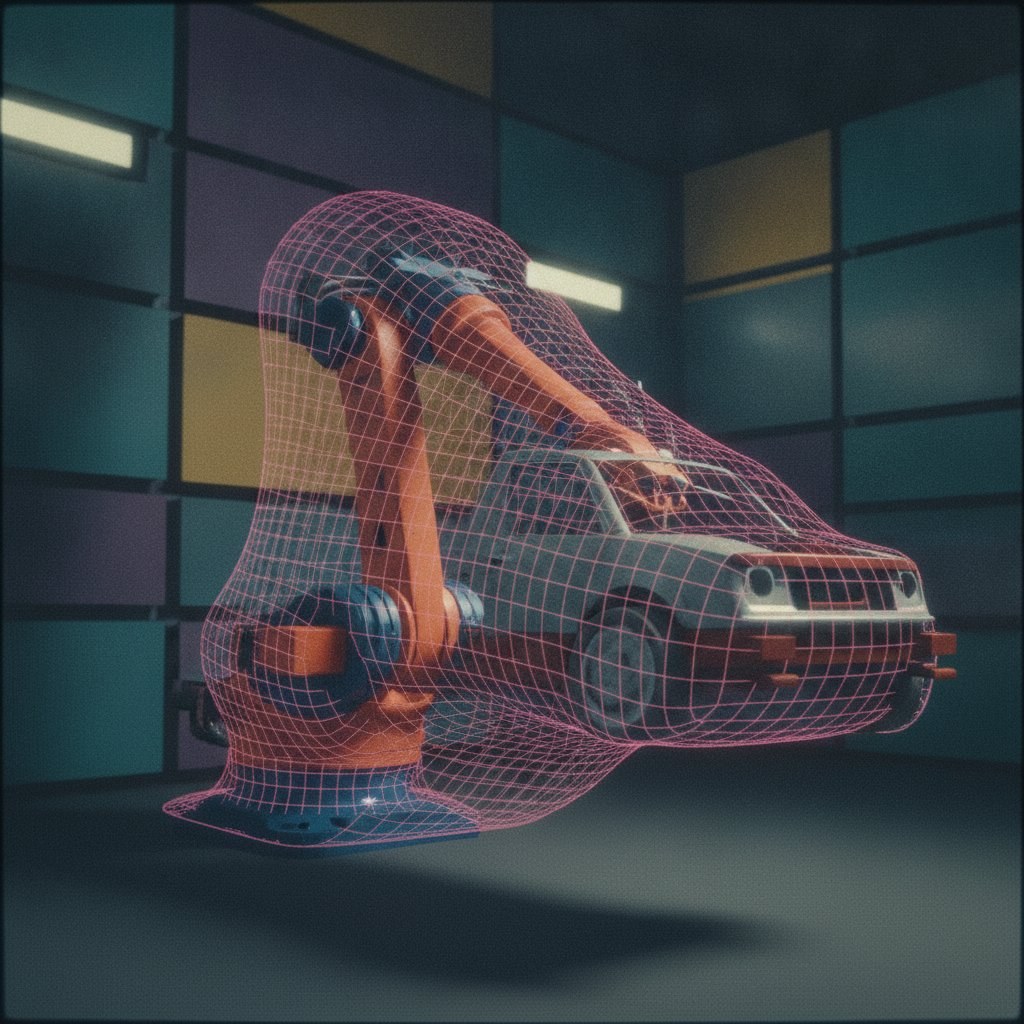
Jensen Huang is determined to end the fragmentation of the AI technology stack. NVIDIA has unveiled Cosmos 3—a family of omnimodal models built on a mixture-of-transformers architecture. This is more than just a routine update; it is an attempt to fuse text, video, audio, and, crucially, action sequences into a single neural fabric. In effect, we are witnessing the end of "clunky" integrations where one model (a VLM) handled vision while another managed robotic movement. Cosmos 3 now serves as a unified operating environment for physical AI.
Technological Superiority and Performance Benchmarks
According to NVIDIA’s technical report, the model is capable of not only generating content but also simulating the physical consequences of actions in real-time. This makes it an ideal "digital brain" for autonomous systems. The data supports these ambitions: according to Artificial Analysis, post-trained Cosmos 3 models already top the open-source rankings in Text-to-Image and Image-to-Video categories. Furthermore, the RoboArena benchmark has confirmed the new release as a leader among policy models for robotics.
Accessibility Strategy and Open Standards
To ensure businesses do more than just watch impressive demos, NVIDIA is laying its cards on the table:
Specialized SDG-Warehouse synthetic datasets for warehouse operations. SDG-DriveSim datasets for autonomous vehicles. Licensing transferred under the Linux Foundation's OpenMDW-1.1 governance.
By releasing Super and Nano-level checkpoints, Jensen Huang’s company is cementing its status as the lead software architect for autonomous systems. This is a shrewd strategic maneuver: NVIDIA is commoditizing foundational robotic intelligence, shifting the competitive landscape from model development to real-world implementation on factory floors and public roads.
NVIDIA is no longer just selling the "shovels" for the AI gold rush in the form of H100 chips—they are now providing the geological map and an automated drilling rig to boot.
What This Means for the Industry
In our view, the implications go deeper than a simple software release. For business owners and CTOs, this represents a radical lowering of the entry barrier for complex robotics. The era of building "Frankenstein" systems from a dozen disparate models is coming to an end. Prepare for Cosmos 3 to become the standard habitat for everything capable of autonomous movement.