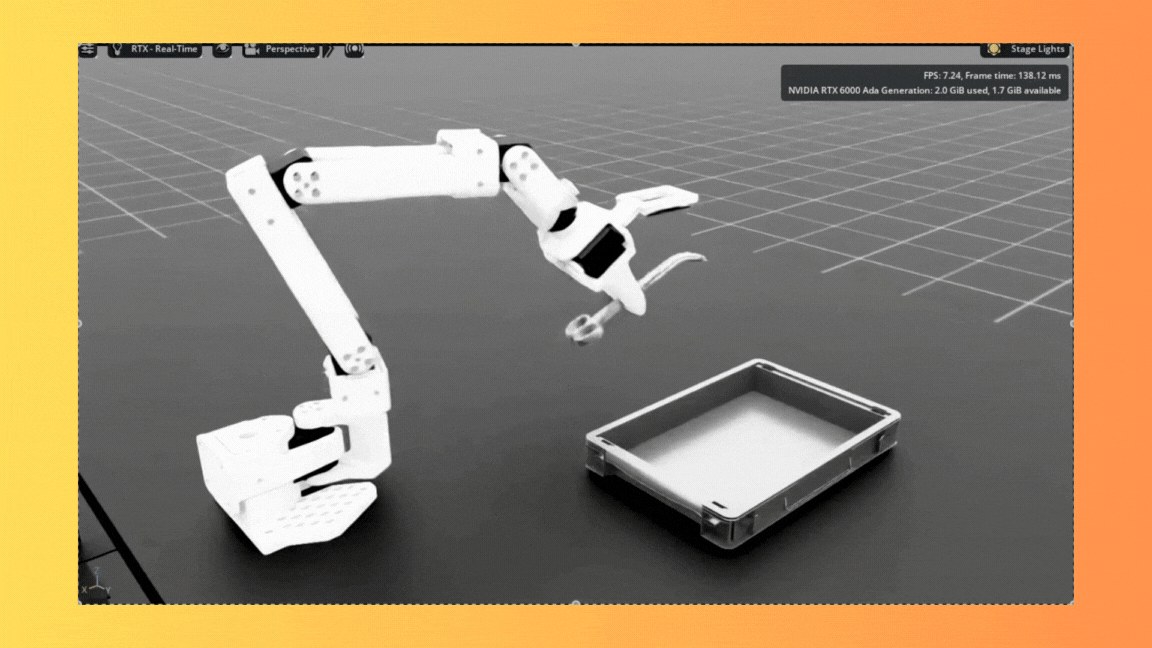
NVIDIA is expanding its Isaac platform beyond virtual sandboxes, transitioning it from simulation directly to operating tables. This marks a complete cycle, from data collection, including generated data, to the implementation of trained robots in medical practice. The company's objective is to accelerate development and reduce costs by leveraging Sim2Real methodologies and mixed learning approaches.
NVIDIA is introducing a ready-to-use workflow called SO-ARM. This workflow enables MedTech developers to rapidly move from modeling to real-world testing. Essentially, NVIDIA has created a pipeline: data collection through teleoperation, model training using a mix of synthetic and real data, and subsequent deployment on physical hardware.
NVIDIA's technological advancement is democratizing AI for medical robotics, potentially lowering the entry barrier for advanced surgical assistance. However, this breakthrough also brings other considerations to the forefront. The emergence of such ready-made solutions highlights the critical issue of healthcare personnel readiness for working with AI assistants, and of course, raises several ethical aspects that remain outside the scope of current engineering challenges.