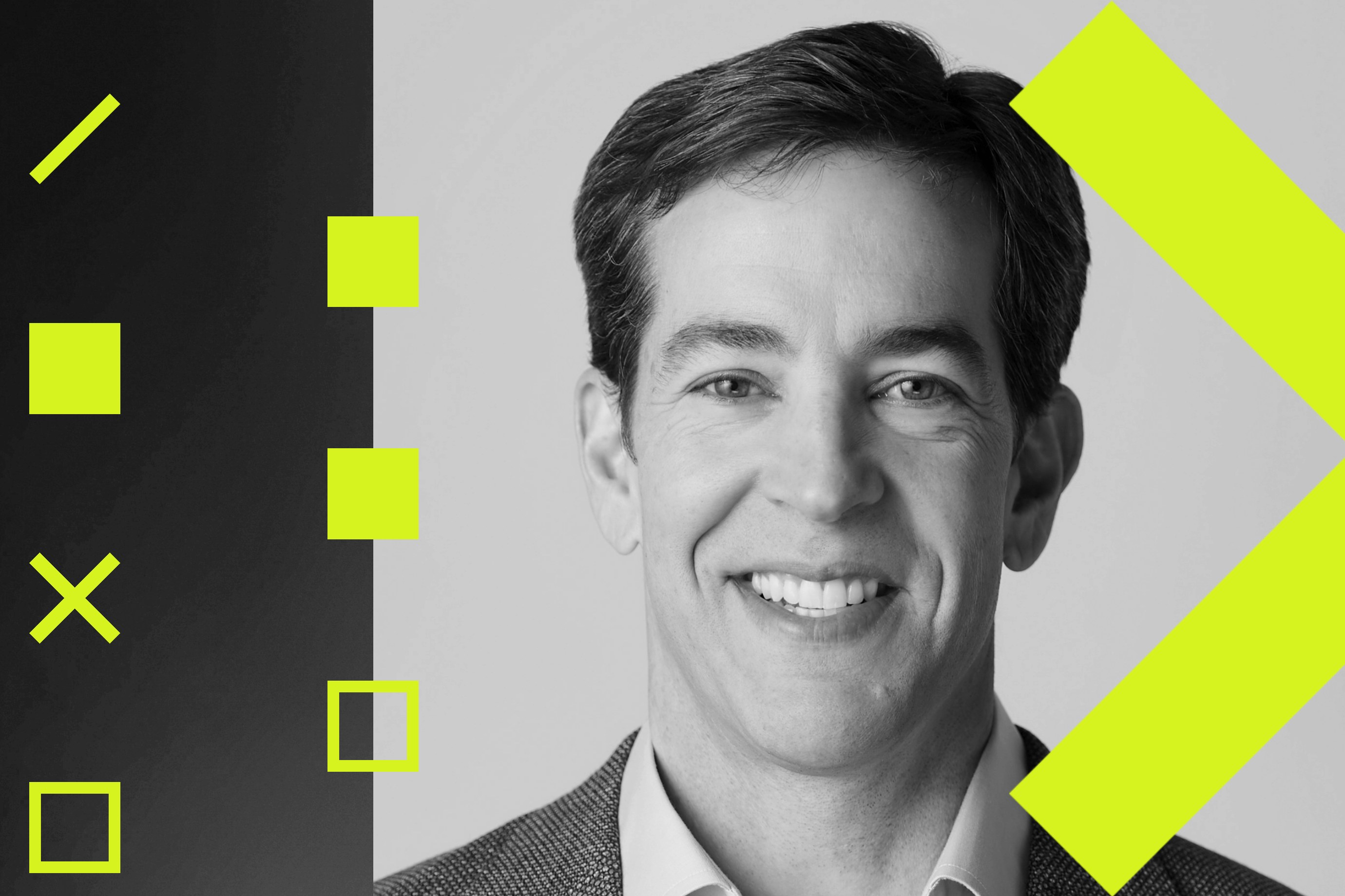
Todd McKinnon, the CEO of Okta, believes the next significant threat to corporate security will not come from human actors but from AI agents. His company, which has built its business on controlling access to corporate systems, asserts that the era of relying solely on human authentication is definitively over. McKinnon has aptly dubbed the impending challenge the 'SaaSpocalypse,' predicting that traditional SaaS models, dependent on verifying employee identities, will face unprecedented risks. The core issue, as McKinnon explains, is that businesses are naively granting AI systems credentials as if they were human employees, a practice that is far from robust.
The proliferation of generative models has given rise to AI agents capable of undertaking complex tasks and operating on corporate data. This reality forces businesses to confront a fundamental question: who or what is accessing your critical information? Furthermore, how can you distinguish between a legitimate digital assistant and a potential threat that might operate stealthily while your employees are occupied with their morning routines? Okta, leveraging its extensive experience in identity management, is clearly positioning itself to establish a new security standard for these autonomous systems, carving out a fresh and lucrative market niche for itself.
For business leaders, this development necessitates a profound reevaluation of existing access protocols. You will need to develop mechanisms for authenticating, authorizing, and auditing the actions of AI agents, treating them with the same rigor as human users. The question of 'who is the user?' takes on an entirely new dimension, requiring the ability to differentiate between beneficial automated workers and covert threats.
The success of Okta in shaping the standards for AI agent identification will directly determine the future landscape of access management. Failing to acknowledge this new reality carries the risk not only of data breaches but also of a complete erosion of trust in SaaS solutions. As a business, you must prepare for the possibility that the 'user' within your systems may increasingly be a program rather than a person.