Local AI tool developer Ollama has closed a $65 million Series B round. While cloud giants race to build massive data centers, capital is shifting toward private infrastructure. The round was led by Theory Ventures with participation from Benchmark’s Peter Fenton, bringing the company’s total funding to $88 million. The clash of business models is clear: as proprietary players build closed ecosystems, Ollama is scaling a decentralized alternative that already boasts 9 million monthly users. This is no longer just a toy for geeks—according to CEO Jeff Morgan, the software is installed in 85% of Fortune 500 companies.
The Docker Model for Data Sovereignty
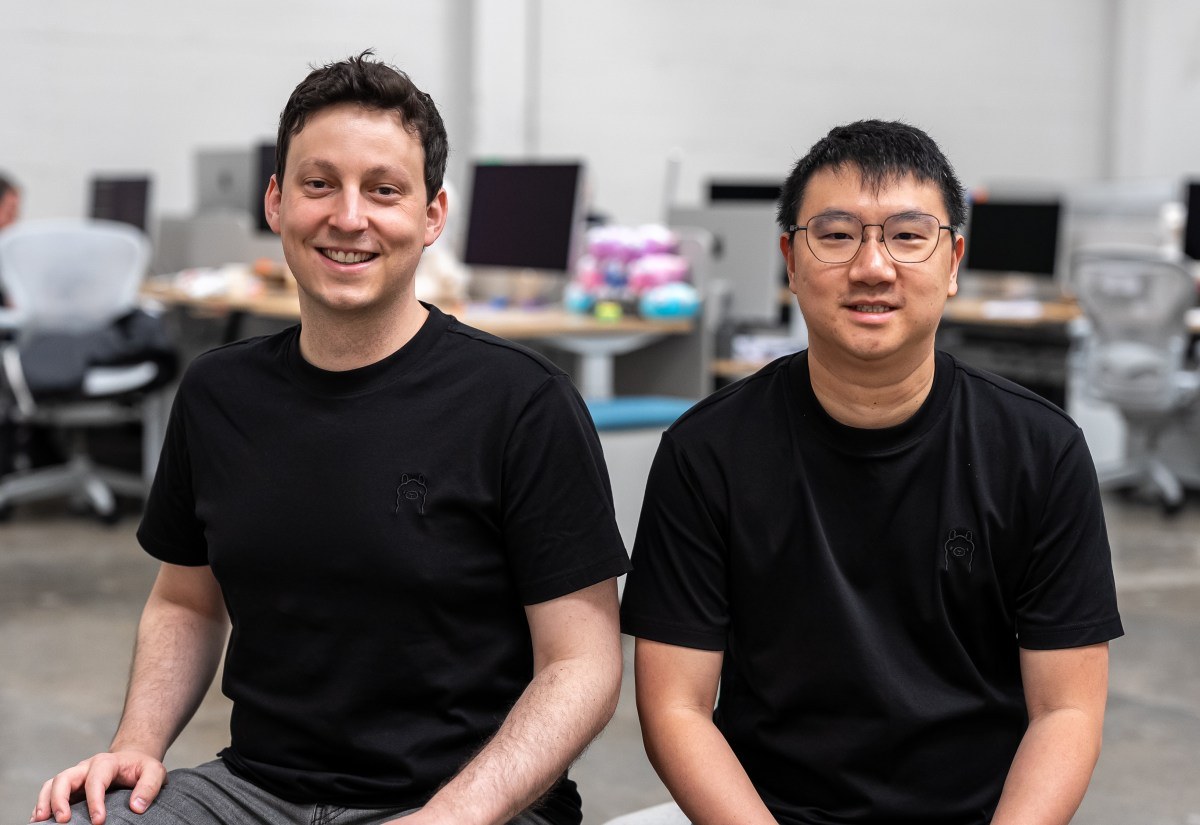
Ollama’s rise isn't a fluke; it's the application of a proven containerization playbook to the AI field. Founders Jeff Morgan and Michael Chiang previously created Docker Desktop, and they are now applying that same abstraction logic to neural network hardware. As Morgan explained, open-source models were originally researcher-centric, making deployment a nightmare for the average developer. Ollama turned this into a routine task, allowing Llama or Mistral to run on a standard PC in minutes. This mirrors Docker's trajectory: by removing hardware friction, companies are freed from the "tax" of third-party API providers.
"The ability to create a product that becomes ubiquitous for developers is a rare gift," noted Peter Fenton.
Ubiquity is changing how businesses view their tech stacks. Ollama’s economics are built on the need to escape the dictatorship of OpenAI and Anthropic. By acting as a bridge between local development and its own "neo-cloud" for heavy models—offering subscriptions up to $100 per month—Ollama aims to become the primary interface in the post-API dominance era.
From Prototypes to Autonomous Agents
The perception of local AI shifted earlier this year when it became clear that open-source models are fully capable of handling agentic tasks, such as coding. According to Morgan, this was the point of no return: open source proved its professional utility. The corporate sector, obsessed with the fear of data leaks via cloud chatbots, found a lifeline in Ollama. Running models on-premises allows for total data control without sacrificing GPU performance.
The ecosystem's growth suggests that dependence on closed providers is becoming a choice rather than a necessity. Ollama's monetization strategy reflects this shift: the company plans to charge for GPU runtime rather than token limits. This model is more intuitive for tech leads, allowing for predictable costs without the volatility inherent in API pricing. The move toward local inference is already reshaping enterprise hardware requirements, driving demand for workstations with significant VRAM.
Despite the $65 million injection, Ollama maintains a lean team of 14 and remains silent on revenue and valuation. It is evident that even in the world of open software and digital sovereignty, the path to venture-scale returns inevitably leads back to a proprietary subscription model. However, for now, Ollama remains the most effective way to show cloud intermediaries the door.