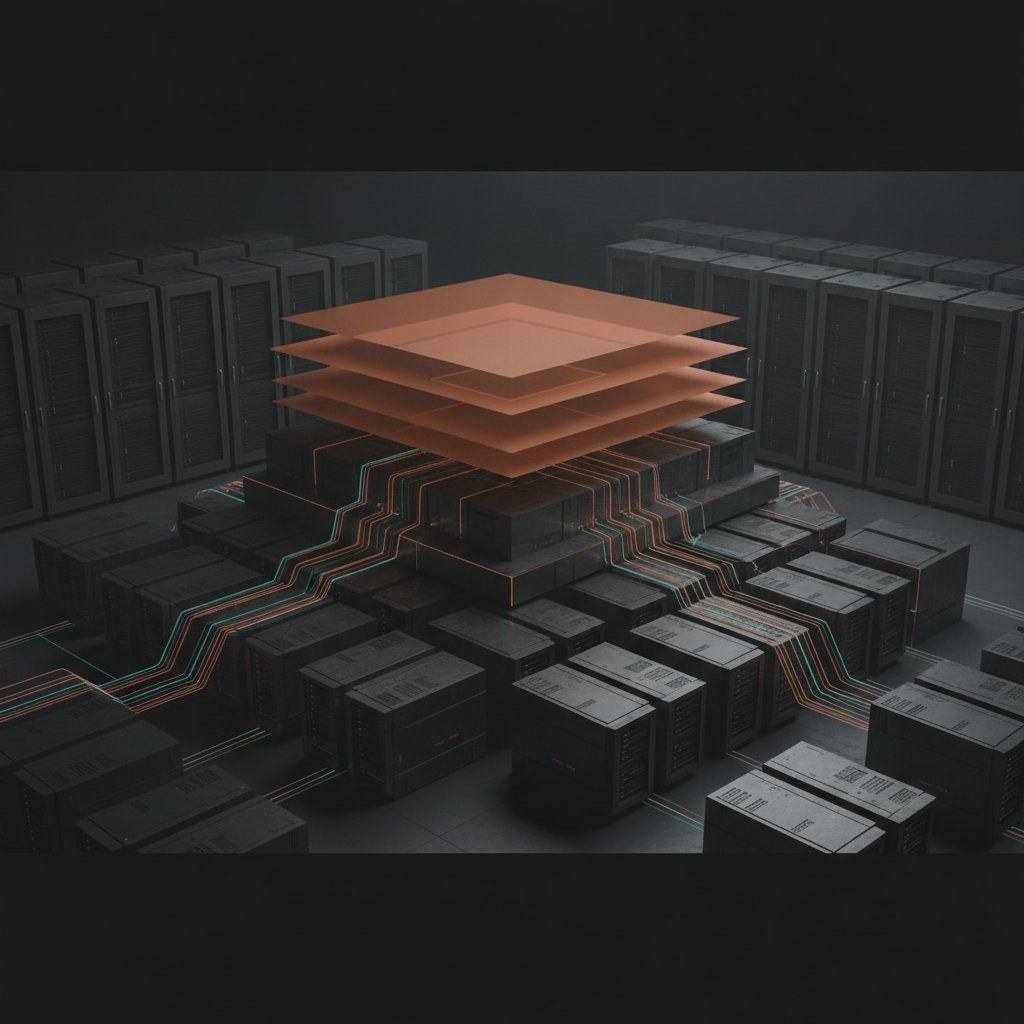
OpenAI has officially outgrown the constraints of "model-as-a-service" and is moving into the territory of infrastructure giants. The acquisition of the startup Ona, announced by Sam Altman on June 11, 2026, is more than just a talent grab—it is the foundation for a proprietary cloud execution layer within the Codex ecosystem. While competitors polish their chatbots, OpenAI is building a persistent environment where intelligence doesn't just "reason," but actually lives. The numbers speak for themselves: Codex’s weekly audience has surpassed 5 million users, quadrupling since the start of the year. It has become clear that for the company’s ambitions, a standard browser session is a container too fragile and temporary.
The long-lived agent problem and the end of "babysitting"
The primary flaw of current AI agents is their ephemeral nature. Most operations are tied to a specific device or an active session: close your laptop, and your "digital employee" instantly loses its context or disappears entirely. Ona’s technology is designed to solve this transience by creating isolated, stable environments where agents can work autonomously for hours or even days. According to Altman, agents need more than just raw compute—they need a trusted workspace. Integrating Ona’s orchestration will allow Codex to continue executing tasks while the user is offline. This represents a radical shift from the "sit and watch the terminal" model to true delegation, where humans simply review intermediate results and set the direction from anywhere in the world.
Customer-controlled security: A hook for the enterprise
For conservative large-cap businesses, the "black box" cloud concept has long been an insurmountable barrier. Corporations demand guarantees that agents comply with internal security standards and data governance. Ona’s solution introduces a customer-controlled execution model. In practice, this means AI agents operate within the organization’s own cloud perimeter, respecting all security boundaries and access policies. This architecture allows OpenAI to supply the "brains" while leaving infrastructure control and logs in the hands of the client. It is a sophisticated way to neutralize the data sovereignty arguments that have helped traditional private cloud providers maintain market share for years.
A direct threat to the traditional PaaS stack
By providing an execution environment coupled with the model, OpenAI is transforming Codex into a full-fledged operating system for intellectual labor. Ona’s expertise—having already helped 2 million developers migrate workflows from local machines to secure clouds—is now scaling across all production cycles. As businesses automate complex chains ranging from software development to deep research, the need for traditional PaaS providers as intermediaries is plummeting. If Codex handles intelligence, orchestration, and security, the traditional cloud stack is reduced to a commoditized "utility pipe." OpenAI no longer wants to be a mere tenant in someone else’s cloud. By seizing the means of execution, the company is capturing the entire value chain of autonomous labor. The era of chatbots is officially over; we are entering the era of autonomous cloud employees.