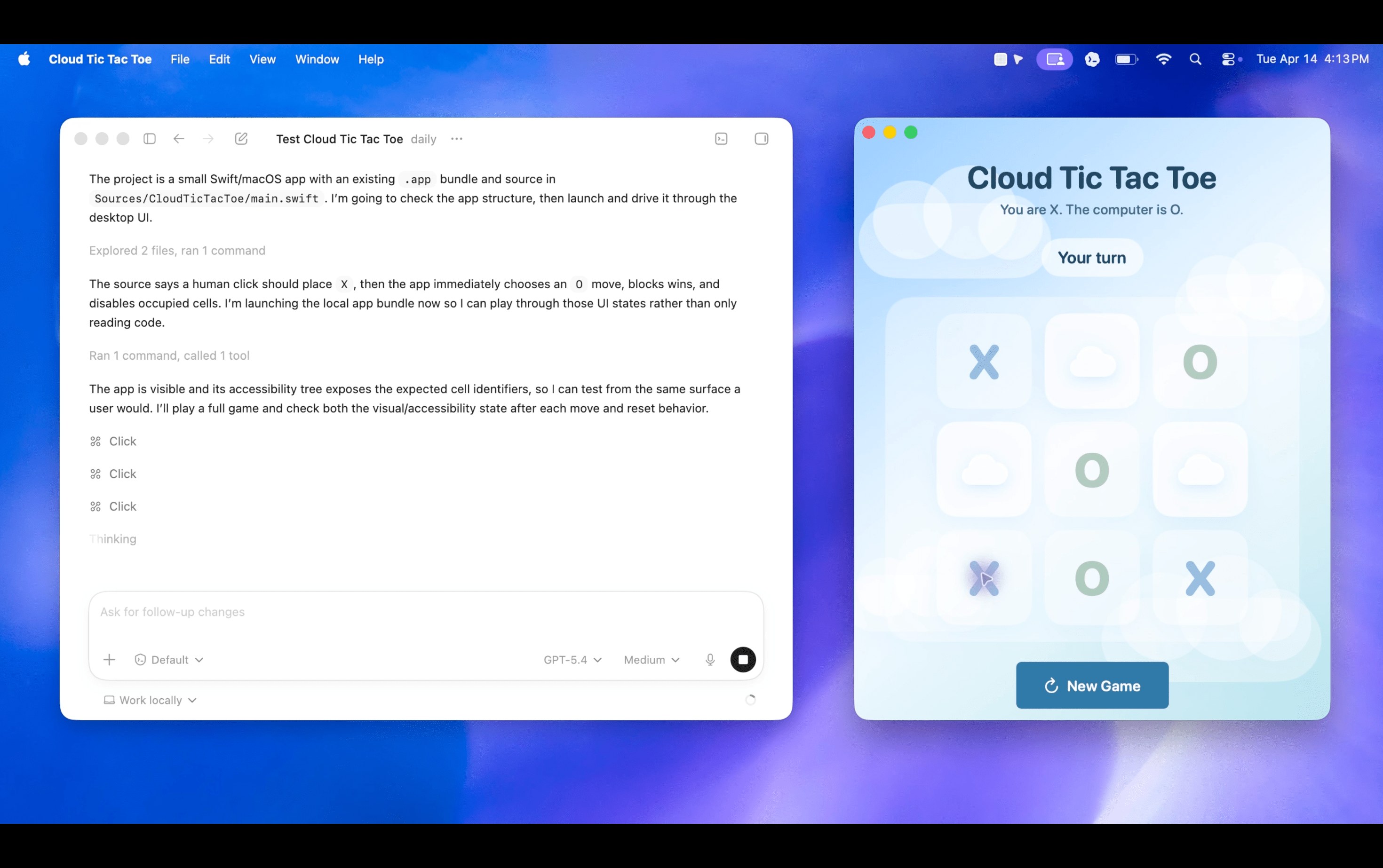
OpenAI is aggressively modernizing Codex, introducing full-scale computer control capabilities. According to an official company statement, the latest update allows the system to autonomously interact with applications within the macOS environment. This marks a strategic shift toward agentic programming and a direct attempt to challenge Anthropic’s Claude Code solution. The team is reallocating resources to transform the tool from a passive advisor into an active agent that independently generates imagery via gpt-image-1.5 and leverages long-term memory, eliminating the need for users to repeat instructions.
For CTOs, this update radically transforms traditional workflows. As explained by OpenAI, Codex is now capable of functioning in the background, testing interface changes or operating within software that lacks public APIs. The system supports multi-agent orchestration: while you are occupied in one application, AI assistants execute tasks in others. This expansion is bolstered by native integrations with GitLab, Atlassian Rovo, and the Microsoft suite. By implementing its own in-app browser—where users can annotate pages to provide instructions—OpenAI is significantly broadening its control over the development environment.
Codex now independently plans tasks and can "wake up" automatically to continue long-term projects. According to OpenAI, this level of autonomy relies on a memory feature that retains user preferences and previously gathered information. The update is currently rolling out on macOS for desktop app users via ChatGPT (with a delayed release for EU countries). OpenAI’s strategic objective is to encompass the entire development lifecycle through deep integration into the operating system.
The rivalry between OpenAI and Anthropic has shifted from synthetic benchmarks to OS-level integration. Tech leads must now decide how much autonomy they are willing to delegate to external code. Choosing an AI provider has evolved into a decision about how deeply third-party agents will be embedded into your workspace and core business processes.