AI · This text was generated with artificial intelligence
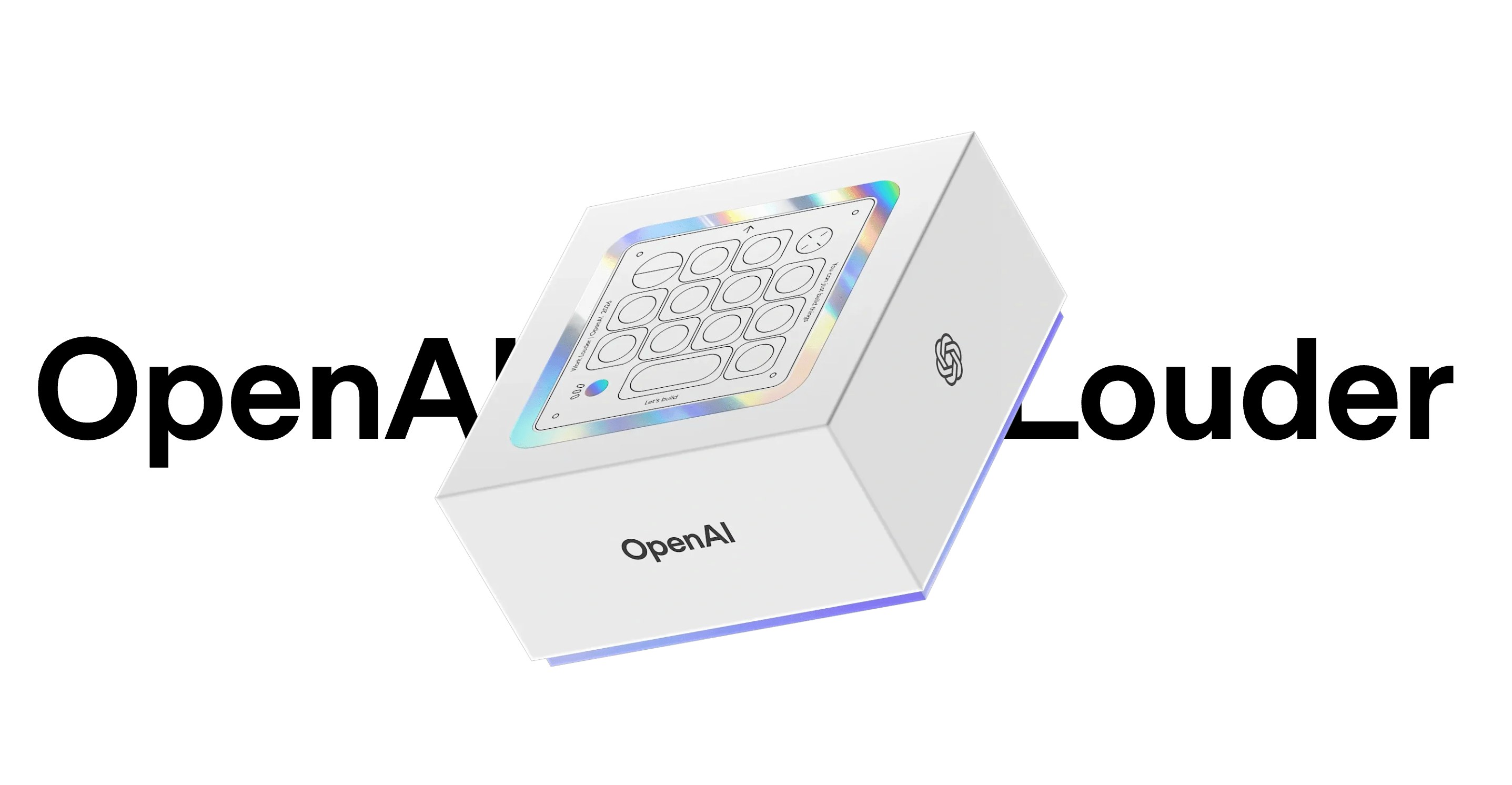
OpenAI is finally making its move into hardware, though the approach is pointedly niche. Rather than the long-awaited consumer device Sam Altman is reportedly developing with ex-Apple designer Jony Ive, the company has unveiled the Codex Micro. This square control pad, born from a collaboration with the brand Work Louder, is less a general gadget and more a tactile interface for the Codex platform, priced at $230. It seems OpenAI has realized that to retain professional developers, it needs to occupy more than just a browser tab—it needs a physical footprint on their desks.
Tactile feedback for autonomous agents
Codex Micro is a customized version of the Work Louder Creator Micro 2, featuring 13 mechanical switches, a joystick, a roller, and a sensor. Work Louder co-founder Mike Di Genova explains that the device aims to simplify the management of complex AI agent workflows. Six translucent keys serve as status indicators for Codex streams: they change color depending on whether a task is running, awaiting human edits, or has failed. This is an attempt to solve cognitive overload in an era where developers can no longer keep pace with a swarm of autonomous entities in a terminal window.
Codex Micro provides real-time visual control of Codex streams: color coding indicates whether a task is complete or if the model requires your feedback.
Beyond monitoring, the controller features dedicated hotkeys for accepting or rejecting edits and a push-to-talk function. OpenAI emphasizes that all controls are fully customizable via the ChatGPT desktop app. The roller is particularly interesting: it is designed to adjust the model’s "reasoning" level on the fly. By creating a physical manifestation of digital actions, OpenAI is attempting to lock developers into its ecosystem through a proprietary workflow.
Strategic timing and the Apple conflict
The launch of this limited-edition device comes amid escalating tensions with Cupertino. While Altman and Ive’s primary hardware project—rumored to be a smart speaker—is bogged down in legal complexities, Apple has filed a lawsuit accusing OpenAI of stealing industrial secrets. Against this backdrop, the Codex Micro looks like a tactical reconnaissance mission: a safe way to test logistics and demand for physical products while the flagship project remains on pause.
This collaboration with Work Louder (reminiscent of last year’s project with Figma) raises questions about long-term strategy. Is this a genuine step toward vertical integration, where hardware and software operate as one, or simply expensive merchandise for brand loyalists? Attempting to dominate a programmer’s physical space is an ambitious move, but the question remains: will professionals pay $230 for peripherals dedicated to a platform whose ultimate goal is to operate as autonomously as possible?