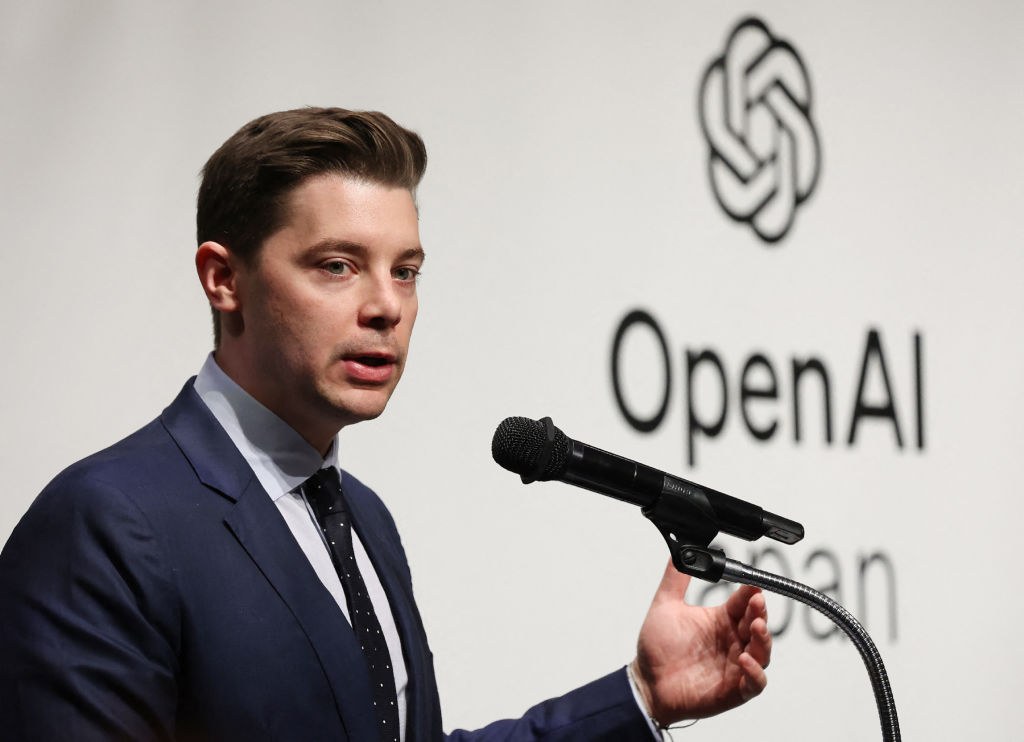
The man who turned a money-burning research lab into a commercial juggernaut is out. Brad Lightcap, the COO who joined OpenAI in 2018 when it was still figuring out its identity, is departing to launch a new venture. During his six-year tenure, Lightcap wasn’t just a manager; he was the engineer of the company’s revenue engine. Moving from CFO to COO, he built the entire corporate infrastructure—legal, finance, and go-to-market strategies—from scratch. If Sam Altman provided the vision, Lightcap provided the plumbing that allowed billions of dollars to flow through it.
His departure is more than a personal career move; it is a structural milestone. Lightcap’s exit marks the final transition of OpenAI from a nimble, experimental startup into a rigid corporate entity preparing for the scrutiny of an IPO. The timing is delicate. OpenAI is currently hemorrhaging veteran talent: Fidji Simo, Bill Peebles (the mind behind Sora), and Kevin Weil have all recently cleared out their desks. Losing a foundational executive who worked with Altman since the Y Combinator days suggests that the ‘old guard’ is being replaced by professional managers better suited for quarterly earnings calls than radical research.
As Lightcap moves on to find ‘new things the world needs to get right,’ OpenAI is left to defend its valuation against increasingly hungry competitors like Anthropic and a wave of open-source models. The vacuum at the top of the operations and partnership teams creates a stability risk. To institutional investors, Lightcap was the adult in the room who translated high-concept AI into a scalable business model. Without him, the company must prove that its commercial momentum is systemic rather than dependent on a few key architects. The transition to a public-market-ready hierarchy is officially underway, but it remains to be seen if OpenAI can maintain its innovative edge while adopting the sluggish skin of a legacy corporation.