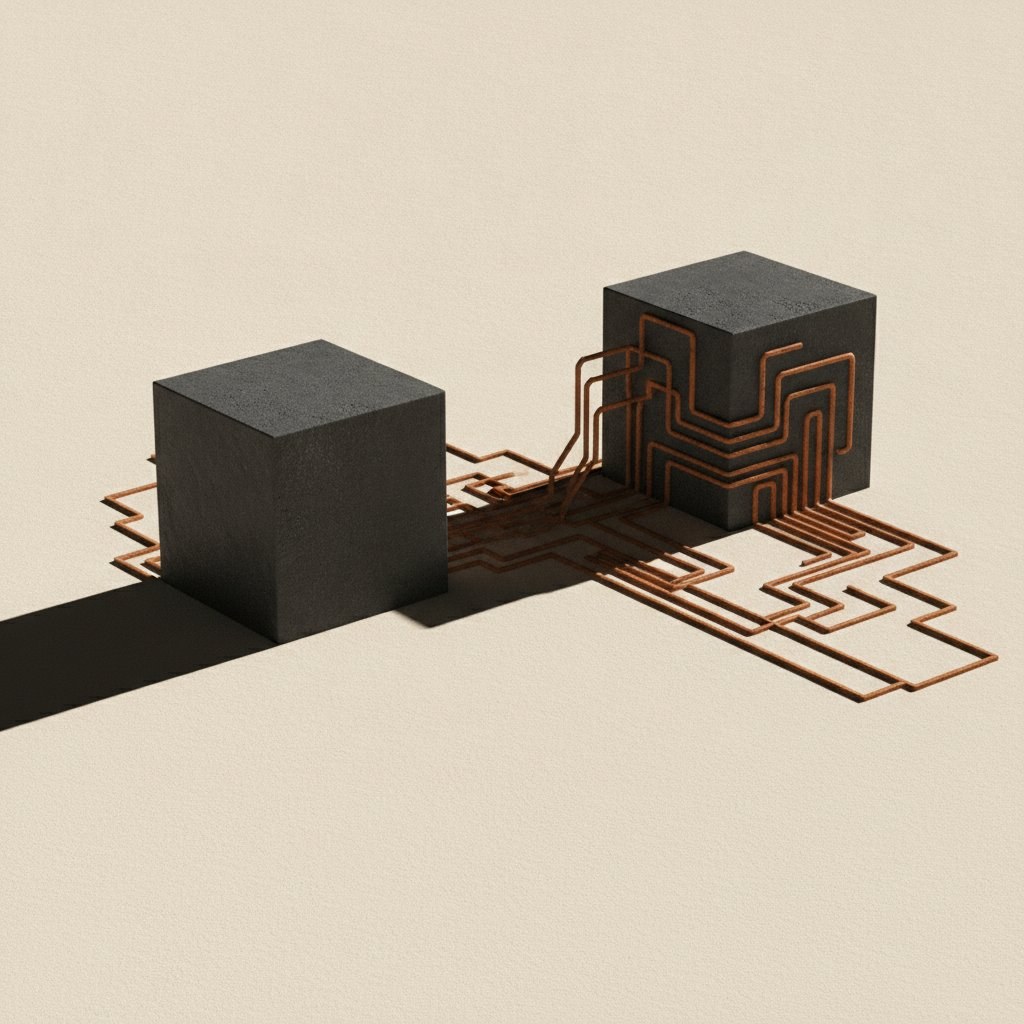
OpenAI is officially rolling back its transparency. The company's Codex now encrypts the internal protocols through which agents delegate tasks to one another. What used to be legible logic in session logs has turned into a jumble of unreadable strings. In effect, developers have been stripped of the ability to audit exactly how the system breaks down instructions and passes them to sub-processes. While Sam Altman remains silent, encryption has become mandatory for the heavy-duty models in the GPT-5.6 lineup—specifically the Sol and Terra versions.
This maneuver reveals a cold business calculation: OpenAI is closing the curtains on its inner workings to thwart industrial espionage and model distillation by competitors.
Market rumors are already swirling that China’s GLM-5.2 from Zhipu AI was "inspired" by data from GPT-5.5 and Opus 4.8. By locking down inter-agent communication, the company is protecting its reasoning traces—the very chains of thought that allow open-source alternatives to close the technological gap with proprietary giants.
Technical Consequences and Failures
The price of such secrecy is already becoming apparent. Reports of malfunctions in the Sol and Terra models are multiplying on GitHub:
Mandatory encryption leads to handoff errors during task delegation. Sub-agents are unable to decrypt and execute instructions from the master module. High-end versions completely lack the option to toggle back to a human-readable format.
The only island of predictability remaining in the lineup is the entry-level Luna model, which still uses an open protocol. For all other scenarios, tech leads will have to adapt to a new reality: you are managing a system whose internal logic is not just hidden by patents, but physically inaccessible to observation—even as it begins to break down before your eyes.