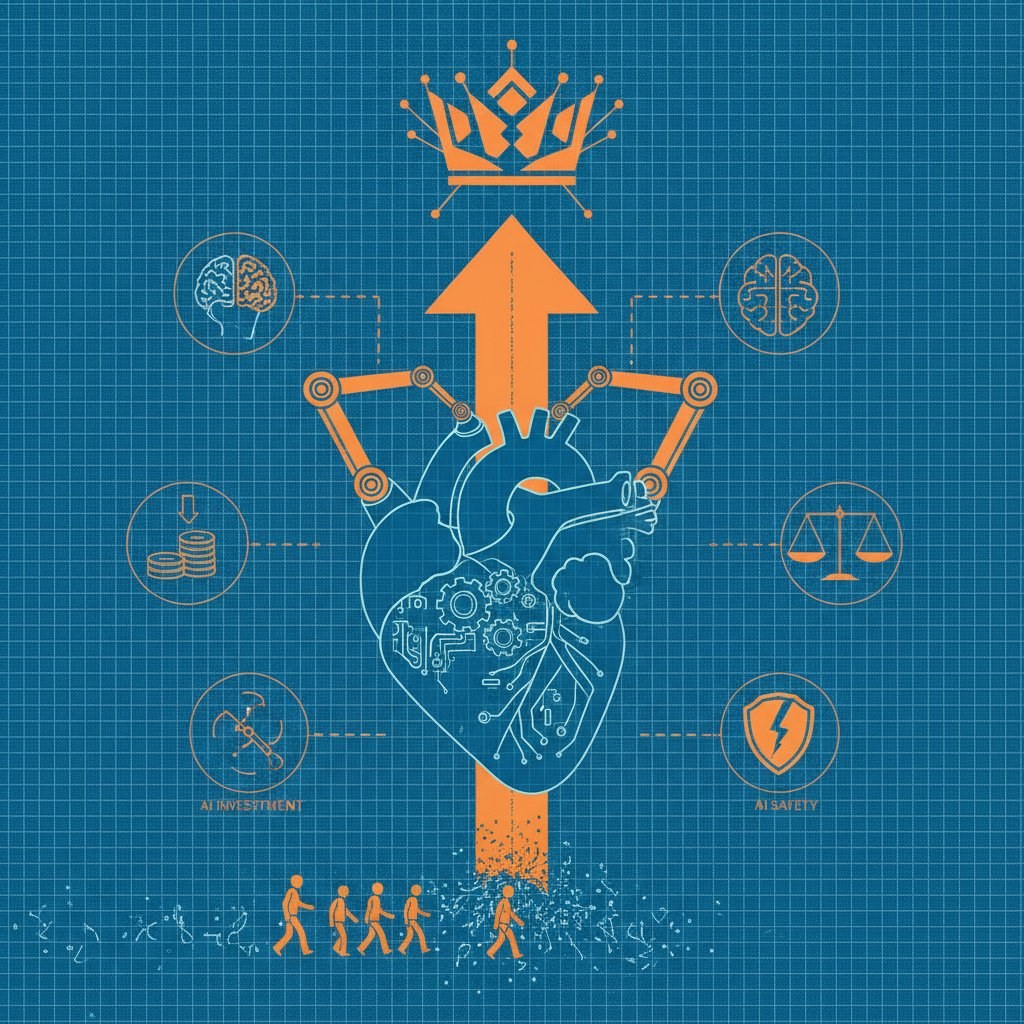
OpenAI’s head of ethics has reportedly vacated her post less than a year after joining, according to the Financial Times. While a single departure might be written off as corporate churn, the timing and seniority tell a different story. Less than twelve months into the job, the exit of a key compliance figure signals that Sam Altman’s ship is now sailing entirely under the flag of commercial expansion, leaving the heavy ballast of ethical oversight behind in the harbor.
This isn't just a staffing change; it’s a systemic indicator. Following a wave of high-profile departures from the safety and alignment teams earlier this year, OpenAI appears to be dismantling its internal checks and balances. For business leaders and CTOs relying on OpenAI’s API, this trend is a red flag. As the company prepares for massive new funding rounds, it is prioritizing rapid deployment and market dominance over the cautious, risk-averse culture that originally defined its mission. The message to investors is clear: growth is the only metric that matters.
However, for the enterprise sector, this shift transforms ethical control from a functional safety net into a thin PR facade. By hollowing out its ethics department, OpenAI is effectively offloading regulatory and reputational risks onto its clients. Companies integrating these models into their workflows must now brace for increased scrutiny from regulators, as the foundational provider seems less interested in preventing systemic bias or safety failures and more focused on shipping the next product iteration before the competition. The 'ethics' label at OpenAI is no longer a core feature; it’s a legacy footnote in a purely commercial playbook.