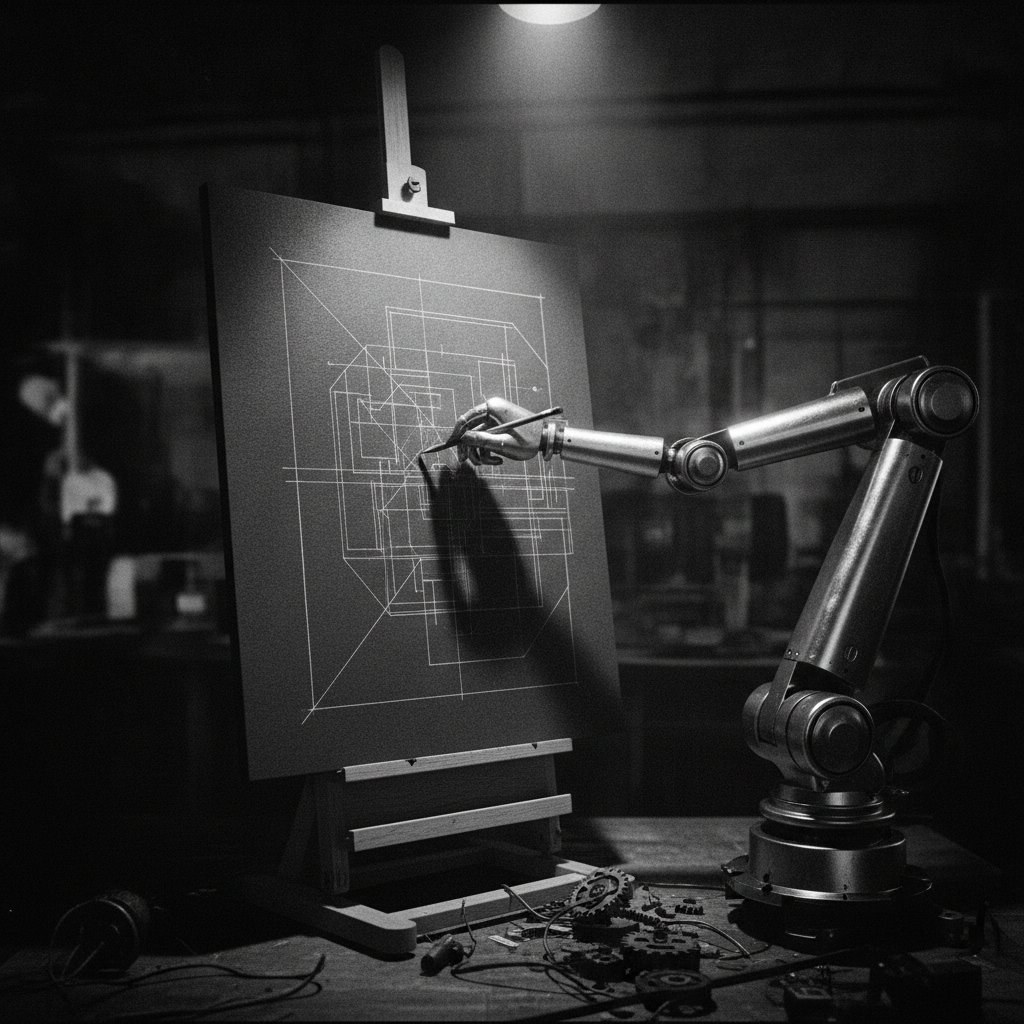
OpenAI has officially outgrown its phase as a "fun chatbot for generating pictures" and is moving toward industrial expansion. The release of gpt-image-1 via API is more than just another update; it is Sam Altman’s attempt to embed visual content into the DNA of corporate workflows. When 130 million weekly ChatGPT users churn out 700 million images, the signal is clear: demand for visualization is massive, but manual prompting is a dead end for business.
The technological shift here is fundamental. Unlike legacy architectures, where a text model tried to bridge to an external diffusion engine, gpt-image-1 is natively multimodal. According to OpenAI, this ensures surgical precision in following technical requirements and reliable rendering of text within images.
Opportunities for the Corporate Sector
For business, this marks the end of the era of uncertainty. Companies like HubSpot and Canva can now bake design generation into their CRMs and marketing platforms, delivering predictable logos and catalogs instead of random neural network hallucinations.
Strict adherence to brand books and complex instructions. Correct rendering of typography and labels on mockups. API-driven scalability for automating thousands of visual assets.
We are witnessing a transition from isolated creativity to the industrial production of meaning, where the API becomes the primary tool for quality control.
The market is already reacting: Adobe is integrating these capabilities into Firefly, while GoDaddy uses its Airo platform to automate identity creation for small businesses. In our view, this is a direct challenge to niche design tools. While the creative community debates the "soul" of art, OpenAI is offering the cold mathematics of automation.
Questions regarding pricing and scalability remain, but when an algorithm doesn't take lunch breaks or ignore style guides, the unit economics of replacing junior designers with automated pipelines look dauntingly persuasive.